Skip to content
wheretotravel.info
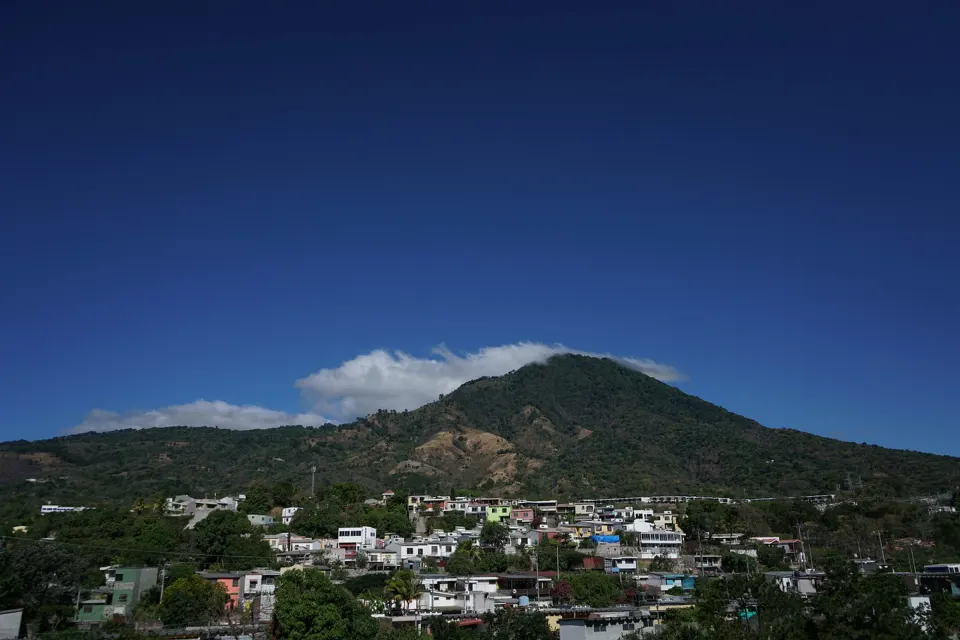
Volcano and hillside town under blue sky

El Salvador travel guide

Central America's compact surf-and-volcano country, best visited in the dry season

Best: Jan, Dec

Photo: 15238630 / Pixabay

Capital
San Salvador
Language
Spanish
Currency
United States dollar (USD)
Time zone
UTC-06:00
Plugs
Type A, B · 115 V
Driving
On the right
Emergency
911

Why visit El Salvador

El Salvador suits travellers who want volcanoes, Pacific surf breaks and colonial towns without long travel distances between them. The country covers just 21,041 km2, so San Salvador, Santa Ana and the coast are all within easy reach of each other. January and December bring the driest, clearest weather for hiking and surfing. The honest limitation: outside this window, the rainy season can bring heavy downpours that disrupt road travel and outdoor plans.

  • A compact country, easy to cross

    El Salvador covers just 21,041 km2, so cities like San Salvador, Santa Ana and San Miguel sit within a few hours of each other. It's the smallest country in Central America, which makes a short trip easy to plan without long travel days.

  • Dry season from December to January

    January and December are the best months to visit. This dry-season window gives travellers more settled conditions for getting around the country's main cities.

  • Santa Ana and San Miguel beyond the capital

    Santa Ana (population 250,760) and San Miguel (232,887) are the country's second- and third-largest cities, both sizeable enough to explore on their own rather than as day trips from San Salvador.

  • US dollar keeps budgeting simple

    El Salvador uses the United States dollar as its official currency, so travellers from the US, or anyone used to dollar prices, can skip currency conversion and exchange counters.

  • Spanish-speaking, single time zone

    The whole country runs on one time zone, UTC-06:00, and Spanish is the national language, so logistics stay straightforward whether you're in the capital San Salvador or smaller towns like Ahuachapán.

Is El Salvador right for you?

Great for

  • Dry-season trips in January and February, with under 1 rain day and 3 mm of rain
  • Sun seekers from January to April, with 11 or more sun hours a day
  • US travellers: it uses the US dollar, 115 V power and type A and B plugs
  • Short trips taking in several places, as the country covers only 21041 km²
  • Spanish speakers, as Spanish is the only language listed

Less ideal for

  • Trips from May to October, when most months see 20 to 28 rain days
  • Heat-sensitive travellers in March and April, when daily highs top 33 °C
  • Travellers with no Spanish, since it is the only language listed

El Salvador right now: November

5.2/10
Avg high
29°C
Avg low
19°C
Rain days
12

Averages for El Salvador.

Weather by month

Based on data for El Salvador, December and January are the best months, with highs around 31-32°C, under 1 rain day a week, and roughly 11 hours of sunshine daily. September brings the toughest weather, with 28 rain days and 279mm of rain, while June also sees heavy downpours of 287mm as the wet season peaks between May and October.

Average highs and lows in El Salvador by month January: high 32°C, low 18°C , 1 rain days . February: high 33°C, low 18°C , 1 rain days . March: high 34°C, low 20°C , 4 rain days . April: high 33°C, low 21°C , 14 rain days . May: high 31°C, low 21°C , 25 rain days . June: high 28°C, low 20°C , 26 rain days . July: high 31°C, low 20°C , 20 rain days . August: high 30°C, low 20°C , 24 rain days . September: high 29°C, low 20°C , 28 rain days . October: high 28°C, low 20°C , 24 rain days . November: high 29°C, low 19°C , 12 rain days . December: high 31°C, low 18°C , 3 rain days . 32°C 18°C JAN 1d 33°C 18°C FEB 1d 34°C 20°C MAR 4d 33°C 21°C APR 14d 31°C 21°C MAY 25d 28°C 20°C JUN 26d 31°C 20°C JUL 20d 30°C 20°C AUG 24d 29°C 20°C SEP 28d 28°C 20°C OCT 24d 29°C 19°C NOV 12d 31°C 18°C DEC 3d
Best months Other months (low–high) Nd = rain days

El Salvador (country average) · averages 2015–2024

Best time to visit El Salvador: month-by-month weather →

Sample itineraries

7 days

Capital, Volcanoes and Western Towns

  1. Day 1–3

    San Salvador

    Settle into the capital, a city of 330,543 people. Use these first days to explore the city center and get oriented before heading out to the countryside.

  2. Day 4–5

    Santa Ana

    Head to Santa Ana, home to about 250,760 residents, for a change of pace from the capital. Spend two days wandering the streets and nearby surroundings at a relaxed pace.

  3. Day 6–7

    Ahuachapán

    Finish the trip in Ahuachapán, a smaller town of 127,301 people near the western border. It's an easy add-on from Santa Ana, just an hour away by bus.

10 days

Full Loop: East to West El Salvador

  1. Day 1–3

    San Salvador

    Start in the capital, San Salvador, population 330,543. Spend the first few days exploring the city before branching out across the country.

  2. Day 4–5

    San Miguel

    Travel east to San Miguel, a city of 232,887 people, about 2 hours from the capital by bus. Use two days here before heading back west.

  3. Day 6–7

    San Salvador

    Return to San Salvador for a couple more days, catching anything missed on the first visit and resupplying before the western leg of the trip.

  4. Day 8–9

    Santa Ana

    Move on to Santa Ana, home to 250,760 people, about an hour from the capital. Spend two days exploring this western city at an easy pace.

  5. Day 10

    Ahuachapán

    End the trip with a short final day in Ahuachapán, population 127,301, just an hour from Santa Ana by bus.

Getting around El Salvador

Typical journey times and fares between the main places.

Route By Time Price
San Salvador → Santa Ana Route 201, run by TUDO (Transportes Unidos de Occidente) and SEISABUS. The Panamericana service takes about 1 hr: $0.85 regular or $1.35 especial (mostly air-conditioned, fewer stops). The old road via Santa Tecla and Coatepeque takes about 2 hr: $1 regular or $1.50 especial. No advance booking; pay on board. Fares come from a traveller wiki and may be out of date. bus 1 h 0.85–1.5 USD ↗
San Salvador → San Miguel Route 301 from Terminal Plaza Amanecer in Soyapango. The regular 'directo' leaves about every 15 min from about 3am to 5pm and takes about 2.5–3 hr ($2.78, per a traveller report). The Super Especial (A/C, toilet) costs $5 and takes about 2 hr. It runs less often and stops outside next to the gas station beside San Miguel terminal. The timetable shown is from 2017, so check it locally. bus 2 h 2.78–5 USD ↗
San Salvador → Ahuachapán Route 202 runs about every 10 min during the day and costs about $2. Ahuachapán has no central terminal. Buses to San Salvador stop on the edge of town, so take a moto-taxi (tuk-tuk) there. If route 202 is not running, take 210 to Santa Ana and then 201. The fare comes from a traveller wiki and may be out of date. bus 2 h 15 min 2 USD ↗
Santa Ana → Ahuachapán Route 210 leaves the Santa Ana bus terminal about every 15 min and takes about 1 hr–1 hr 20 min. Reported fares range from $0.48 to $1. It skips Chalchuapa town; for Tazumal ruins take bus 218. In Ahuachapán you can connect to Ruta de las Flores buses. bus 1 h 0.48–1 USD ↗

Staying connected

If your phone plan doesn't include El Salvador, an eSIM set up before you leave gives you data on arrival.

Food to try in El Salvador

Pupusas

These thick corn tortillas are stuffed with cheese, beans, or pork, then cooked on a griddle. They are El Salvador's national dish and sold everywhere, from street stalls to family-run pupuserías.

Curtido

A tangy, lightly fermented cabbage slaw with carrots and onion. It is served on top of pupusas to add crunch and acidity.

Salvadoran-style tamales

Corn dough filled with chicken or pork, wrapped in banana leaves and steamed. They are a common breakfast or holiday food.

Yuca frita

Fried cassava chunks, often served with curtido and a tomato-based salsa or pork rinds. It is a popular snack or side dish.

Sopa de pata

A hearty soup made with cow's foot, tripe, plantain, and vegetables. It is a traditional, filling dish found in local comedores.

Horchata de morro

A cold drink made from ground morro seeds mixed with spices like cinnamon. It is a refreshing accompaniment to spicy or fried food.

Know before you go

  • Currency: El Salvador uses the United States dollar (USD). This makes budgeting simple for US travellers and means you don't need to exchange money if you're coming from the US.
  • Language: Spanish is the official language. Learning a few basic phrases helps, especially outside San Salvador where English is less common.
  • Plugs and voltage: El Salvador uses plug types A and B, the same flat two- or three-pin plugs as North America. Voltage is 115 V, so US appliances work without a converter.
  • Driving side: Traffic drives on the right, as in the US and most of Central America.
  • Emergency number: Dial 911 for police, fire or medical emergencies anywhere in the country.
  • Timezone: El Salvador is on UTC-06:00 year-round, with no daylight saving time changes to worry about.
  • Calling code: The country code for calling El Salvador from abroad is +503.

El Salvador: frequently asked questions

Is El Salvador good in August?

August scores 3.9 out of 10, rated an 'avoid' month in our data. It's the rainy season: 23.8 rain days and 209 mm of rain, with highs around 30.1°C. Sun hours drop to 10.4, so you'll want flexible plans and rain gear if you travel then.

When is the best time to visit El Salvador?

December and January score highest, at 6.9 and 7 out of 10. Both months are dry, with rain mm at just 11 and 3, rain days under 1 to 3.3, and sun hours near 11. Highs sit around 30-32°C, making this the driest, sunniest stretch of the year.

How much rain does El Salvador get in the wet season?

The wettest months are May to October, with rain mm ranging from 125 in July up to 287 in June. September has the most rain days, at 28.3. By contrast, January and February each get only 3 mm of rain.

How long is the bus from San Salvador to Santa Ana?

The bus takes about 1 hour and costs between 0.85 and 1.50 USD. It's one of the shorter routes out of the capital, similar in length to the Santa Ana to Ahuachapán bus, which also takes around 1 hour.

What currency does El Salvador use?

El Salvador uses the United States dollar (USD) as its official currency. This means travellers from the US don't need to exchange money, and prices, like the 2 USD bus fare from San Salvador to Ahuachapán, are already in familiar denominations.

What is the emergency number in El Salvador?

The emergency number in El Salvador is 911. It's worth saving this number before you travel, since it covers police, fire and medical emergencies across the country, including in San Salvador, Santa Ana and San Miguel.

Similar destinations

Countries with a year of weather much like El Salvador.