Skip to content
wheretotravel.info
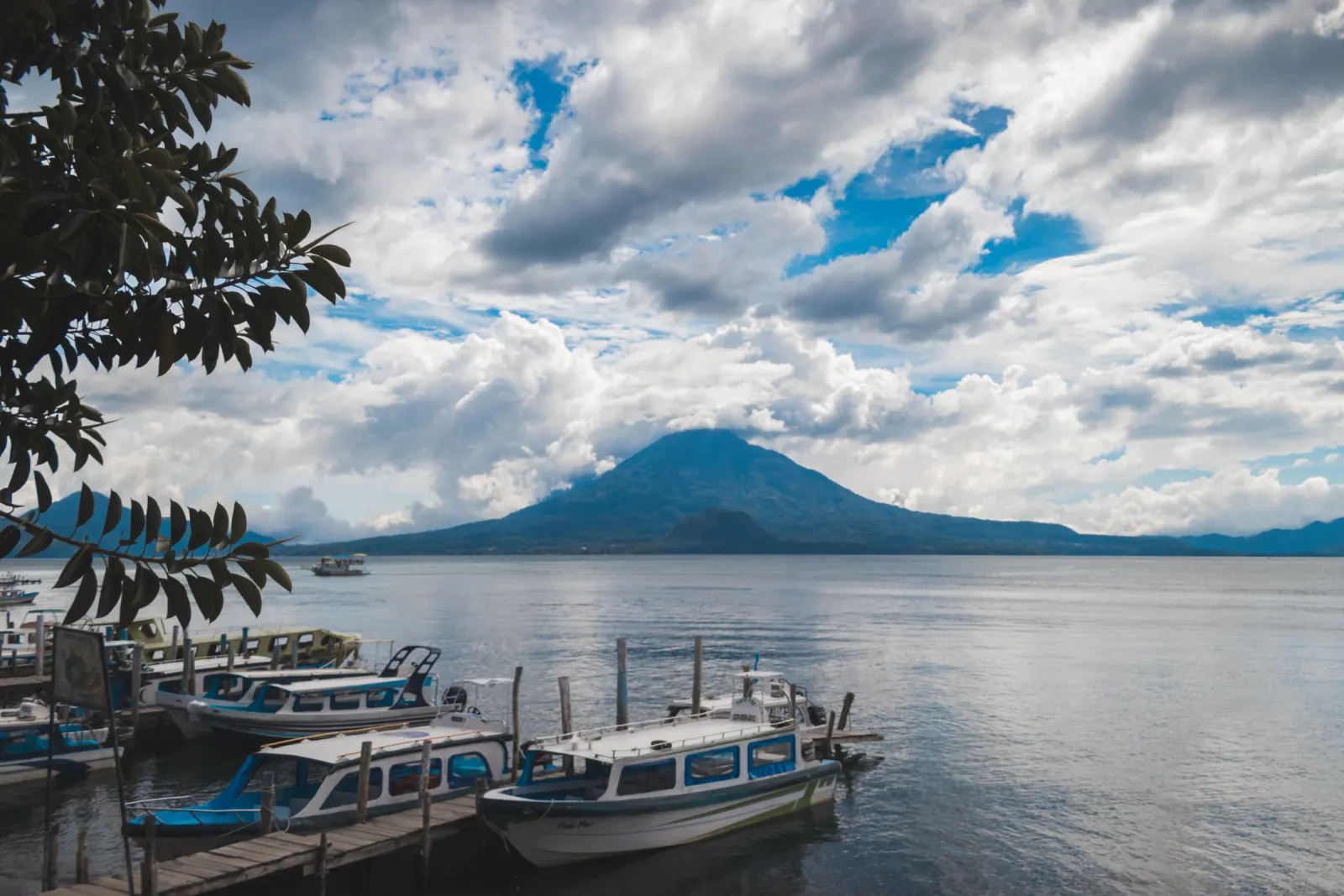
boats docked at Lake Atitlan with volcano backdrop

Guatemala travel guide

Colonial towns, highland lakes and Maya ruins across a compact, mountainous country

Best: Jan, Feb, Mar, Dec

Photo: Isaac Cortés / Pexels

Capital
Guatemala City
Language
Spanish
Currency
Guatemalan quetzal
Time zone
UTC-06:00
Plugs
Type A, B · 120 V
Driving
On the right
Emergency
128 / 120 / 123

Why visit Guatemala

Guatemala suits travellers who like a mix of colonial streets, highland scenery and ruins, with short hops between Antigua Guatemala, Lake Atitlán towns like Panajachel and San Pedro La Laguna, and the coastal town of Livingston. December to March is the best window, with the driest weather falling in January and February. The honest limitation: outside these months, rain is more common and some mountain roads get harder going.

  • A dry-season window from December to March

    Guatemala's best months are December, January, February and March. These line up across Antigua Guatemala, Panajachel, San Pedro La Laguna, Livingston and Quetzaltenango, so you can plan a multi-stop trip without hitting a rainy patch somewhere along the route.

  • Antigua Guatemala's colonial streets

    This former capital has a population of 59091 and its best months match the national pattern: January, February, December and March. Its small size makes it an easy base for day trips into the surrounding highlands.

  • Lake Atitlán's two lakeside towns

    Panajachel, with 16101 residents, and San Pedro La Laguna, with 11828, sit on the same lake but have different characters. Both share a short peak window of January, February and December.

  • Livingston on the Caribbean coast

    Livingston is Guatemala's coastal entry on this list, population 80249. Its best months run November through February, a different coastline-driven pattern than the inland highland towns.

  • Quetzaltenango for a highland city base

    Guatemala's second-largest city on this list, Quetzaltenango, has 207620 people and a tighter best-month window of just January and February, useful if you want to time a highland stay precisely.

Is Guatemala right for you?

Great for

  • Dry-season travellers who want Dec-Mar days near 23-27°C and only 4-7 rain days a month in Guatemala City
  • Highland and lake trips to Antigua, Panajachel or San Pedro La Laguna, all with Dec-Mar as their best months
  • City and culture visits to Guatemala City, with highs of 23-27°C and 10-11 sun hours a day from December to March
  • Travellers who don't mind a single UTC-06:00 time zone and Spanish-only signage, common across the country

Less ideal for

  • Beach-only trips, since the fact pack lists just one coastal town, Livingston, and no wide beach stretches
  • Anyone visiting June to October, when rain days reach 20-25 a month and totals hit 142-254 mm
  • Travellers who want long sunny afternoons in the wet months, as sun hours drop to 9.3-10.1 from June to September

Guatemala right now: October

6.8/10
Avg high
23°C
Avg low
15°C
Rain days
22

Averages for Guatemala City.

Weather by month

In Guatemala City, December to March brings the driest, sunniest weather, with only 4-7 rain days a month and highs around 23-27°C. From May to September the rains peak, with September seeing 25 rain days and 215mm of rain, and June bringing 254mm, the wettest month of all.

Average highs and lows in Guatemala City by month January: high 23°C, low 13°C , 7 rain days . February: high 25°C, low 13°C , 4 rain days . March: high 27°C, low 14°C , 5 rain days . April: high 28°C, low 15°C , 9 rain days . May: high 26°C, low 16°C , 19 rain days . June: high 24°C, low 16°C , 25 rain days . July: high 24°C, low 15°C , 20 rain days . August: high 25°C, low 15°C , 22 rain days . September: high 24°C, low 15°C , 25 rain days . October: high 23°C, low 15°C , 22 rain days . November: high 22°C, low 14°C , 13 rain days . December: high 23°C, low 13°C , 7 rain days . 23°C 13°C JAN 7d 25°C 13°C FEB 4d 27°C 14°C MAR 5d 28°C 15°C APR 9d 26°C 16°C MAY 19d 24°C 16°C JUN 25d 24°C 15°C JUL 20d 25°C 15°C AUG 22d 24°C 15°C SEP 25d 23°C 15°C OCT 22d 22°C 14°C NOV 13d 23°C 13°C DEC 7d
Best months Other months (low–high) Nd = rain days

Guatemala City · averages 2015–2024

Best time to visit Guatemala: month-by-month weather →

Guatemala's climate regions

The weather varies across the country; each region has its own best months.

  • Highland Capital

    Guatemala City, Antigua Guatemala

    Guatemala City and Antigua sit at altitude with mild highs near 24°C year-round, January and July barely differ. With 185 rain days a year, December to March is the driest, clearest stretch for sightseeing.

    Best: Jan, Feb, Mar, Dec

  • Western Highlands

    Quetzaltenango

    Quetzaltenango is cooler, with highs around 18°C in January and 19°C in July. Rain falls on 277 days a year, so January and February are the best bet for drier weather at this elevation.

    Best: Jan, Feb

  • Caribbean Coast

    Livingston

    Livingston is warm and humid, with highs of 26°C in January rising to 29°C in July. It's the wettest region, with 282 rain days a year, so November to February offers the calmest window.

    Best: Jan, Feb, Nov, Dec

  • Lake Atitlán

    Panajachel, San Pedro La Laguna

    Panajachel and San Pedro La Laguna stay mild, with highs around 22-23°C all year. Rain falls on 233 days annually, making December to February the clearest time to see the lake and volcanoes.

    Best: Jan, Feb, Dec

Where to go in Guatemala

City guides with their own best months and weather.

Sample itineraries

7 days

Highlands and Lake Atitlan in a Week

  1. Day 1–2

    Guatemala City

    Start in the capital, the country's largest city. Best months to visit are February, March, December and January, when the weather is driest and clearest.

  2. Day 3–4

    Antigua Guatemala

    Walk the colonial streets of this former capital. Its best months are January, February, December and March, matching the cooler, drier season.

  3. Day 5–6

    Panajachel

    Settle by Lake Atitlan for two days. January, February and December are the recommended months here for calmer weather.

  4. Day 7

    San Pedro La Laguna

    Take the short ferry across the lake for your last day. This town shares the same good-weather window of January, February and December.

10 days

Capital, Colonial Towns and Lake Villages

  1. Day 1–2

    Guatemala City

    Spend your first two days exploring the capital, Guatemala's largest city by population. Visit in February, March, December or January for the best conditions.

  2. Day 3–4

    Antigua Guatemala

    Move on to this colonial town, known for cobbled streets and volcano views. Its best months are January, February, December and March.

  3. Day 5–6

    Panajachel

    Continue to the main gateway town on Lake Atitlan. January, February and December bring the driest, calmest days for lake activities.

  4. Day 7

    San Pedro La Laguna

    Cross the lake by ferry for a day around this smaller lakeside town, best visited in January, February or December.

  5. Day 8–10

    Quetzaltenango

    End your trip in Guatemala's second-largest city, set in the western highlands. January and February are its listed best months, with cooler, drier air suited to walking the center.

Getting around Guatemala

Typical journey times and fares between the main places.

Route By Time Price
Guatemala City → Antigua Guatemala Shared tourist shuttle. Adrenalina Tours charges USD 15 and picks up at La Aurora airport and at hotels in the city. Its fare includes 1 large bag and 1 handbag, and each extra bag costs USD 10. Airport shuttle desks charge about USD 15–20, cash only. Welcome Pickups gives about 120 min for the airport shuttle, and the time depends a lot on city traffic. The Adrenalina page does not give a journey time. Public chicken buses cost about Q20–30. bus 2 h 15–20 USD ↗
Guatemala City → Quetzaltenango First-class Pullman buses, about 4 hours. Operators include Transportes Alamo, Línea Dorada, Galgos and Fuente del Norte. Buy tickets at the company's own bus station in Zona 1 or Zona 7 of the capital, or in Xela. Tickets are usually on sale just before departure. Several departures run each day. Check the times with the company, because the published schedules are not recent. bus 4 h 75–100 GTQ ↗
Guatemala City → Livingston No road goes to Livingston. Take a Litegua bus to Puerto Barrios: about 13 departures a day, around 5h55m, from USD 25 on Busbud. Then take a lancha across Amatique Bay, about 30 min. Lancha fares differ by source, roughly Q30–50. Fast boats leave when full, from about 6:00 to 17:00. The total time does not include the wait for a boat. Another way in is the collective boat from Río Dulce through the river canyon: about Q115–125, 1–2.5 h, morning and early-afternoon departures. bus 6 h 25 min – ↗
Antigua Guatemala → Panajachel Shared tourist shuttle with door-to-door pickup, about 2.5–3.5 h. This source is a travel blog, not an operator page. Several agencies in Antigua sell seats. Most shuttles end in Panajachel, and from there public boats go to the other lake towns. Private transfers cost much more. Chicken buses with changes are cheaper but slower. bus 2 h 30 min 20–25 USD ↗
Panajachel → San Pedro La Laguna Public lanchas leave from the Panajachel dock. Direct boats take 15–20 min but run only early in the morning, about 6:00–8:00. Ask for 'directo a San Pedro'. The stopping boats run every 20–30 min and take 45–60 min. The fare is usually Q25; one blog reports Q30. A private lancha costs about Q200–500. ferry 20 min 25–30 GTQ ↗
Panajachel → Quetzaltenango Shared shuttle, about 2.5 h, hotel to hotel. Atitrans lists a daily 05:00 departure from USD 45 on its own page. Other sources list Atitrans from USD 30, Adrenalina Tours at USD 25 (minimum 2 people), and Guatemala Transportation and AtitlanTour at about USD 35. Flor del Paisaje runs a cheaper public bus. bus 2 h 30 min 25–45 USD ↗

Staying connected

If your phone plan doesn't include Guatemala, an eSIM set up before you leave gives you data on arrival.

Where to stay

One good base in each main city and who it suits.

Good for creatives, cafés, short stays

Zona 4 has been reshaped around Cuatro Grados Norte, a walkable strip of cafés, galleries and small bars set among older buildings. It sits between the historic centre and Zona 10, which makes getting around fairly simple. Away from the renovated streets it can feel patchy and empty at night.

Centro Histórico

Quetzaltenango

Good for first-timers, language students, nightlife

Zona 1 is the old stone centre around Parque Centro América. It has most of the language schools, cafés and bars, and you can walk to almost everything. Weekend nights can be loud near the bars, and the old buildings can feel cold and damp inside on chilly evenings.

Calle Principal

Livingston

Good for first-timers, short stays, food lovers

The main street climbs uphill from the boat dock and holds most of the town's restaurants, shops and bars, so you can walk almost everywhere. It is the easiest base if you arrive by boat with bags and want to settle in fast. The street is steep from the dock and can be loud at night and on weekends.

Parque Central

Antigua Guatemala

Good for first-timers, short stays

This is the grid of streets around the main square, with the cathedral, cafés and most tour offices a short walk away. You can see the main sights on foot and find food at any hour. On the downside, weekend crowds, street vendors and late-night bars can make it noisy, and the cobblestones are hard on wheeled bags.

Calle del Lago

Panajachel

Good for lake views, couples

This street runs along the lakeshore, close to the public beach and the docks for boats to other lake villages. You get the best views of the volcanoes across the water, and morning walks along the shore are easy. Lakeside restaurants and boat traffic can make it noisy in the day, and the choice of places to stay is smaller.

Panajachel Dock

San Pedro La Laguna

Good for first-timers, nightlife, backpackers

This lakeside area around the dock for boats to Panajachel is where most travellers first arrive. Cafés, bars, tour agents and Spanish schools are all within a short walk, so it is easy to settle in and meet people. Bars can stay loud late into the night, especially at weekends.

Food to try in Guatemala

Pepián

A thick stew of chicken or beef in a sauce of roasted seeds, dried chillies and tomatoes. It is often called the national dish and is usually eaten at lunch with rice and tortillas.

Kak'ik

A spicy red turkey soup from the Q'eqchi' Maya of Alta Verapaz, in the north. Look for it in and around Cobán, served with rice and small tamales.

Tamales

Corn dough filled with meat and red sauce, wrapped in plantain or banana leaves and steamed. Families often eat them at weekends and on Christmas Eve.

Chuchitos

Small, firm tamales wrapped in corn husks, filled with meat and topped with tomato sauce and crumbly cheese. They are a cheap, filling street snack sold in markets and at stalls.

Rellenitos

Mashed plantain shaped around sweet black beans, then fried and dusted with sugar. They are eaten as a dessert or an afternoon snack and are sold at bakeries and street stands.

Atol de elote

A warm, sweet drink made from fresh corn, milk and cinnamon. Street vendors sell it in cups, often in the evening when highland towns turn cool.

Know before you go

  • Plugs and voltage: Guatemala uses plug types A and B, the flat-pin style used in the USA and Canada. The supply is 120 V. If you come from a higher-voltage region such as most of Europe, check your chargers are dual-voltage or bring a converter.
  • Driving side: Traffic drives on the right. If you usually drive on the left, take extra care at junctions and when overtaking, especially in your first few days.
  • Emergency numbers: Guatemala has several emergency numbers: 128, 120 and 123. Save all 3 in your phone before you arrive, and ask your accommodation which one to call for police, fire or medical help.
  • Currency: The local currency is the Guatemalan quetzal. Plan how you will get local cash before you travel, and carry some for small purchases and transport.
  • Language: Spanish is the language you will need. English may be limited outside tourist businesses, so learn basic phrases or download an offline Spanish translation app before you go.
  • Time zone: Guatemala is on UTC-06:00. Check the time difference with home before booking calls or connecting flights.
  • Phone calls: The country calling code is +502. Add it in front of local numbers when calling from a foreign phone, and save key contacts in this format.

Guatemala: frequently asked questions

What is the best month to visit Guatemala?

February scores highest, at 8.5 out of 10, followed by January, December and March. These months sit in the dry season in Guatemala City, with rain on only about 4 to 7 days a month and 10.8 to 11.5 hours of sun a day. Temperatures stay mild, with highs around 23 to 27°C.

Is Guatemala good to visit in August?

August works, but it is wetter. Guatemala City sees 179 mm of rain over about 22 days that month, with highs near 24.6°C. The month still scores a solid 6.9 out of 10, so travel is fine, just expect afternoon showers and plan indoor or covered activities around midday rain.

When is the rainy season in Guatemala?

The wettest stretch runs from May to October. September is the rainiest month in Guatemala City, with 215 mm of rain over 25 days, and June brings 254 mm over nearly 25 days too. Rain tends to fall in short, heavy bursts rather than all day, so mornings are often still usable for sightseeing.

How do I get from Guatemala City to Antigua Guatemala?

A bus between Guatemala City and Antigua Guatemala takes about 2 hours and costs 15 to 20 USD. It is one of the most common routes for travellers, since Antigua sits close to the capital and shares similar best months: January, February, December and March.

How do I travel between Lake Atitlán towns?

A ferry between Panajachel and San Pedro La Laguna takes about 20 minutes and costs 25 to 30 GTQ. Both towns share the same best months, January, February and December, when dry, sunny conditions make the lake crossing more pleasant.

What is the coldest month in Guatemala City?

December is the coolest month, with a low of 13°C and a high of 22.9°C. January is close behind with a low of 12.5°C. Despite the cooler nights, December still scores 8.3 out of 10 thanks to dry weather, low rainfall of 18 mm, and 10.5 hours of sun a day.

Similar destinations

Countries with a year of weather much like Guatemala.