Skip to content
wheretotravel.info
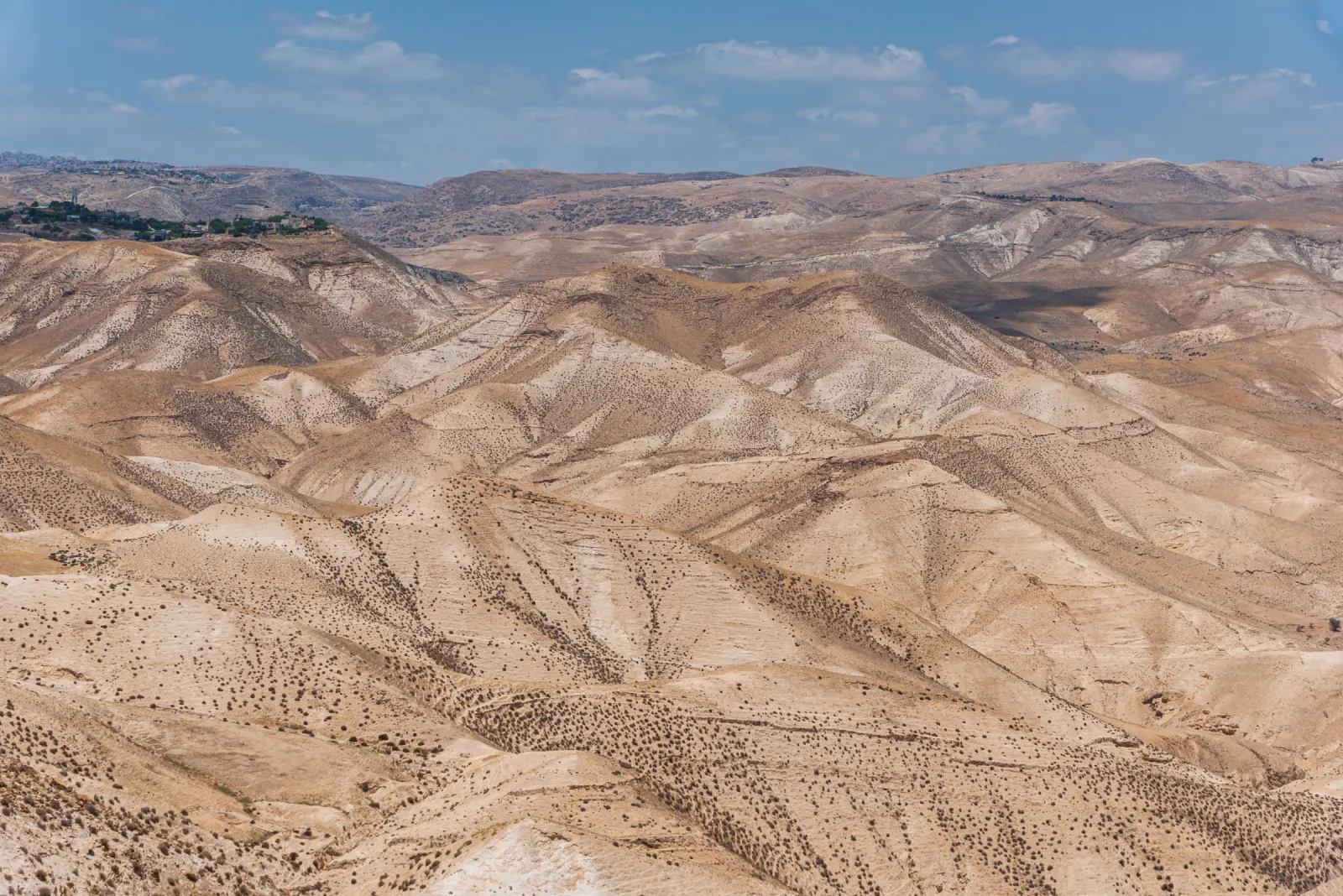
Desert hills of Judean wilderness landscape

Israel travel guide

Coast, old towns and a capital in a country you can cross in a few hours

Best: Mar, Apr, Oct, Nov

Photo: Duc Tinh Ngo / Pexels

Capital
Jerusalem
Languages
Arabic, Hebrew
Currency
Israeli new shekel
Time zone
UTC+02:00
Plugs
Type C, D, H · 230 V
Driving
On the right
Emergency
100 / 101 / 102

Why visit Israel

Israel suits travellers who want several cities and a stretch of coast in one short trip. At 20,770 km², it is compact. You can combine Jerusalem, Nazareth, Tiberias and Safed inland with Tel Aviv, Haifa and Acre on the coast. The best months are March, April, October and November. The honest limitation is security. The situation can change quickly, so check your government's travel advice before you book and again before you fly.

  • A compact country to cross

    Israel covers just 20,770 km², so you can fit very different places into one trip. You can base yourself in one city and visit others as day trips. You do not need to plan a long route to see a lot.

  • Jerusalem, the capital

    Jerusalem is the capital and the largest city on our list, with 1,050,151 people. Most trips start or end here, so plan several days rather than a quick stop. It is inland, so combine it with a coastal city if you want time by the sea.

  • Coastal cities of different sizes

    Tel Aviv (467,875 people) and Haifa (282,831) are the larger coastal cities. Acre, with 48,900 people, is much smaller. Staying in more than one lets you compare a big city with a small one on the same coast.

  • Smaller inland towns

    Nazareth (83,400 people), Tiberias (44,200) and Safed (35,700) are all inland and far smaller than Jerusalem. They suit travellers who want a slower pace between the larger cities. Hebrew and Arabic are both official languages, and you may hear either as you travel.

  • Spring and autumn windows

    The best months are March, April, October and November. This gives you 2 separate windows, so you can pick spring or autumn to fit your plans. Outside these months, conditions are less favourable, so think twice before booking.

Is Israel right for you?

Great for

  • Spring and autumn trips: highs of about 18–26°C in March, April, October and November
  • Short trips covering several cities, as the country is only 20,770 km²
  • City breaks mixing inland Jerusalem with coastal Tel Aviv, Haifa and Acre
  • Sun seekers in summer: 0 rain days and about 13 sun hours a day in July

Less ideal for

  • Heat-sensitive travellers in July and August, when highs reach 33°C and lows stay near 20°C
  • Winter beach trips: January highs are only 13°C with about 9 rain days
  • Midday hiking from June to September, with highs of 31–33°C

Israel right now: October

9.4/10
Avg high
26°C
Avg low
16°C
Rain days
2

Averages for Israel.

Weather by month

Based on 2015–2024 data for Israel as a whole (no single city is given), the best months are October and April, with highs of 26°C and 24°C and only 2–4 rain days. Avoid July and August, when highs reach 33°C, and January, the wettest month, with 8.5 rain days and highs of 13°C.

Average highs and lows in Israel by month January: high 13°C, low 6°C , 9 rain days . February: high 14°C, low 6°C , 8 rain days . March: high 18°C, low 8°C , 7 rain days . April: high 24°C, low 12°C , 4 rain days . May: high 28°C, low 16°C , 2 rain days . June: high 31°C, low 18°C , 1 rain days . July: high 33°C, low 20°C , 0 rain days . August: high 33°C, low 20°C , 0 rain days . September: high 31°C, low 19°C , 0 rain days . October: high 26°C, low 16°C , 2 rain days . November: high 20°C, low 12°C , 5 rain days . December: high 15°C, low 8°C , 6 rain days . 13°C 6°C JAN 9d 14°C 6°C FEB 8d 18°C 8°C MAR 7d 24°C 12°C APR 4d 28°C 16°C MAY 2d 31°C 18°C JUN 1d 33°C 20°C JUL 0d 33°C 20°C AUG 0d 31°C 19°C SEP 0d 26°C 16°C OCT 2d 20°C 12°C NOV 5d 15°C 8°C DEC 6d
Best months Other months (low–high) Nd = rain days

Israel (country average) · averages 2015–2024

Best time to visit Israel: month-by-month weather →

Sample itineraries

7 days

Jerusalem, Tel Aviv and the northern coast

  1. Day 1–3

    Jerusalem

    Start in the capital, the largest city on this route with about 1050151 people. Give it 3 full days and explore it on foot at a slow pace.

  2. Day 4–5

    Tel Aviv

    Move to the coast. Tel Aviv has about 467875 people and suits walking, eating out and time by the sea after the inland capital.

  3. Day 6

    Haifa

    Continue north to Haifa, another coastal city. Spend the day walking its streets and neighbourhoods at your own pace.

  4. Day 7

    Acre

    End in Acre, a small coastal town of about 48900 people. It is compact, so one day is enough to walk around it.

10 days

Capital, coast and the inland north

  1. Day 1–3

    Jerusalem

    Begin in Jerusalem, the capital and largest city, with about 1050151 people. Use 3 days to explore it on foot without rushing.

  2. Day 4–5

    Tel Aviv

    Go to Tel Aviv on the coast, a city of about 467875 people. Spend 2 days walking, eating out and resting by the sea.

  3. Day 6

    Haifa

    Head north to Haifa, a coastal city of about 282831 people. Spend the day exploring its streets and neighbourhoods.

  4. Day 7

    Acre

    Spend a day in Acre, a small coastal town of about 48900 people. It is compact and easy to see on foot.

  5. Day 8

    Nazareth

    Turn inland to Nazareth, a city of about 83400 people. Spend the day walking the centre at an easy pace.

  6. Day 9–10

    Tiberias

    Finish with 2 days based in Tiberias, an inland town of about 44200 people. Use one day for a trip to Safed, a smaller town of about 35700, then rest before leaving.

Getting around Israel

Typical journey times and fares between the main places.

Route By Time Price
Tel Aviv → Jerusalem Israel Railways fast line between Tel Aviv stations and Jerusalem–Yitzhak Navon, usually at least hourly. Fastest trip checked was 35 min; the average is about 40 min. Pay with a Rav-Kav card or app. Fares are set by a national distance-based system, but I could not confirm the current amount. There are no trains from Friday afternoon until Saturday evening (Shabbat). train 35 min – ↗
Tel Aviv → Haifa Israel Railways coastal line runs often through the day. Time is from my own knowledge and is not verified: about 55 min to Haifa Hof HaKarmel. Check the timetable before you travel. No service on Shabbat. train 55 min – ↗
Haifa → Acre Israel Railways coastal line to Akko station, which is a walk of roughly 15 min from the Old City. Time is not verified, so check the timetable. No service on Shabbat. train 25 min – ↗
Tel Aviv → Acre Israel Railways has direct coastal trains to Akko via Haifa. Time is not verified, so check the timetable. No service on Shabbat. train 1 h 25 min – ↗
Jerusalem → Haifa Israel Railways from Jerusalem–Yitzhak Navon. Some trains run direct and others need a change in Tel Aviv. Time is not verified, so check the timetable. No service on Shabbat. train 1 h 50 min – ↗
Tel Aviv → Tiberias Egged intercity buses from Tel Aviv central bus station or Arlozorov terminal. Time is not verified. Pay with Rav-Kav, because cash is not accepted on buses. Check routes on bus.gov.il. No service on Shabbat. bus 2 h – ↗
Jerusalem → Tiberias Egged direct buses from Jerusalem central bus station. Time is not verified, so check line numbers and times on bus.gov.il. Pay with Rav-Kav. No service on Shabbat. bus 2 h 30 min – ↗
Haifa → Nazareth Intercity buses from Haifa (Lev HaMifratz) to Nazareth. Operator, line numbers and time are not verified, so check bus.gov.il. Pay with Rav-Kav. Nazareth buses may run on Saturday but less often on Sunday, so check before you go. bus 50 min – ↗
Tiberias → Nazareth Regional buses between Tiberias central station and Nazareth. Operator, line numbers and time are not verified, so check bus.gov.il. Pay with Rav-Kav. bus 50 min – ↗
Tiberias → Safed Regional bus up the hill to Safed (Tsfat) central station. Operator, line number and time are not verified, so check bus.gov.il. Pay with Rav-Kav. No service on Shabbat. bus 40 min – ↗
Haifa → Safed Intercity buses from Haifa to Safed. Operator, line number and time are not verified, so check bus.gov.il. Pay with Rav-Kav. No service on Shabbat. bus 1 h 40 min – ↗

Staying connected

If your phone plan doesn't include Israel, an eSIM set up before you leave gives you data on arrival.

Food to try in Israel

Hummus

A thick purée of chickpeas, tahini, lemon and garlic, eaten warm with pita bread. Israelis often eat it for lunch at small hummus shops, called hummusiyas, which may close once the day's batch runs out.

Falafel in pita

Deep-fried balls of ground chickpeas, served in pita with salad, pickles and tahini. It is a cheap, fast street meal sold at stands in most towns and eaten at any time of day.

Shakshuka

Eggs poached in a spiced sauce of tomatoes and peppers, cooked and served in the pan. It is a common breakfast or brunch dish, eaten with bread to wipe up the sauce.

Sabich

A pita filled with fried aubergine, hard-boiled egg, salad, tahini and a spicy mango sauce called amba. It came to Israel with Iraqi Jews and is sold as street food.

Sufganiyot

Round doughnuts filled with jam or cream and topped with powdered sugar. Bakeries sell them in large numbers during the Jewish festival of Hanukkah, when fried foods are traditional.

Limonana

A cold drink of lemonade blended with fresh mint, often served as a slush. Cafés and juice stands sell it widely, and it is most popular in the hot summer.

Know before you go

  • Plugs and voltage: Israel uses plug types C, D and H, and the supply is 230 V. Bring an adapter if your plugs are different. Check that your chargers and devices accept 230 V before you plug them in.
  • Driving side: Traffic drives on the right. If you come from a country that drives on the left, take extra care at junctions and roundabouts for the first few days.
  • Emergency numbers: Israel has 3 emergency numbers: 100, 101 and 102. Each connects to a different emergency service. Save all 3 in your phone before you arrive, so you are not searching for them in a crisis.
  • Currency: The currency is the Israeli new shekel. Check your bank's foreign card fees before you travel, so you know what each payment or cash withdrawal will cost you.
  • Languages: The main languages are Hebrew and Arabic. Learning a few basic words in each, such as hello and thank you, is polite and can help in shops and markets.
  • Phone calling code: The country calling code is +972. Add it in front of local numbers when you call from a foreign phone, or when you save contacts for hotels and guides.
  • Time zone: Israel's time zone is UTC+02:00. Check the time difference with home before you book tours or transfers, so you don't miss early pick-ups.

Israel: frequently asked questions

When is the best time to visit Israel?

October is the best month, with our top score of 9.4. April (9.2), November (9) and March (8.6) are close behind. In these months it is warm but not too hot. Average highs range from 17.9°C in March to 26.4°C in October. Rain is light, with 2.1 rain days in October and 3.9 in April.

Is Israel good to visit in August?

August is possible but not ideal. It scores only 5.1, the same as July, the lowest of the year. Average highs reach 32.9°C and nights stay around 20.3°C, so afternoon sightseeing is tiring. There are 0 rain days and 12.7 sun hours a day. For warm weather without the peak heat, choose May (28.2°C) or October (26.4°C).

Is January a good month to visit Israel?

January is fine for a trip but is the wettest month. It scores 5.6. Average highs are 12.6°C and lows 5.7°C, with 45 mm of rain on about 8.5 days. Pack layers and a rain jacket. February is a little better, with a score of 6.5 and highs of 14.3°C.

What plugs and voltage does Israel use?

Israel uses plug types C, D and H, and the voltage is 230 V. Before you travel, check that your adapter fits all three plug types. Also check that your chargers and devices accept 230 V.

What currency and languages are used in Israel?

The currency is the Israeli new shekel. The official languages are Hebrew and Arabic. Israel is on UTC+02:00 time, and the country calling code is +972.

What are the emergency numbers in Israel, and which side do people drive on?

The emergency numbers are 100, 101 and 102. Save them in your phone before you arrive. Traffic drives on the right, so drivers from right-hand countries will not need to adjust.

Similar destinations

Countries with a year of weather much like Israel.