Skip to content
wheretotravel.info
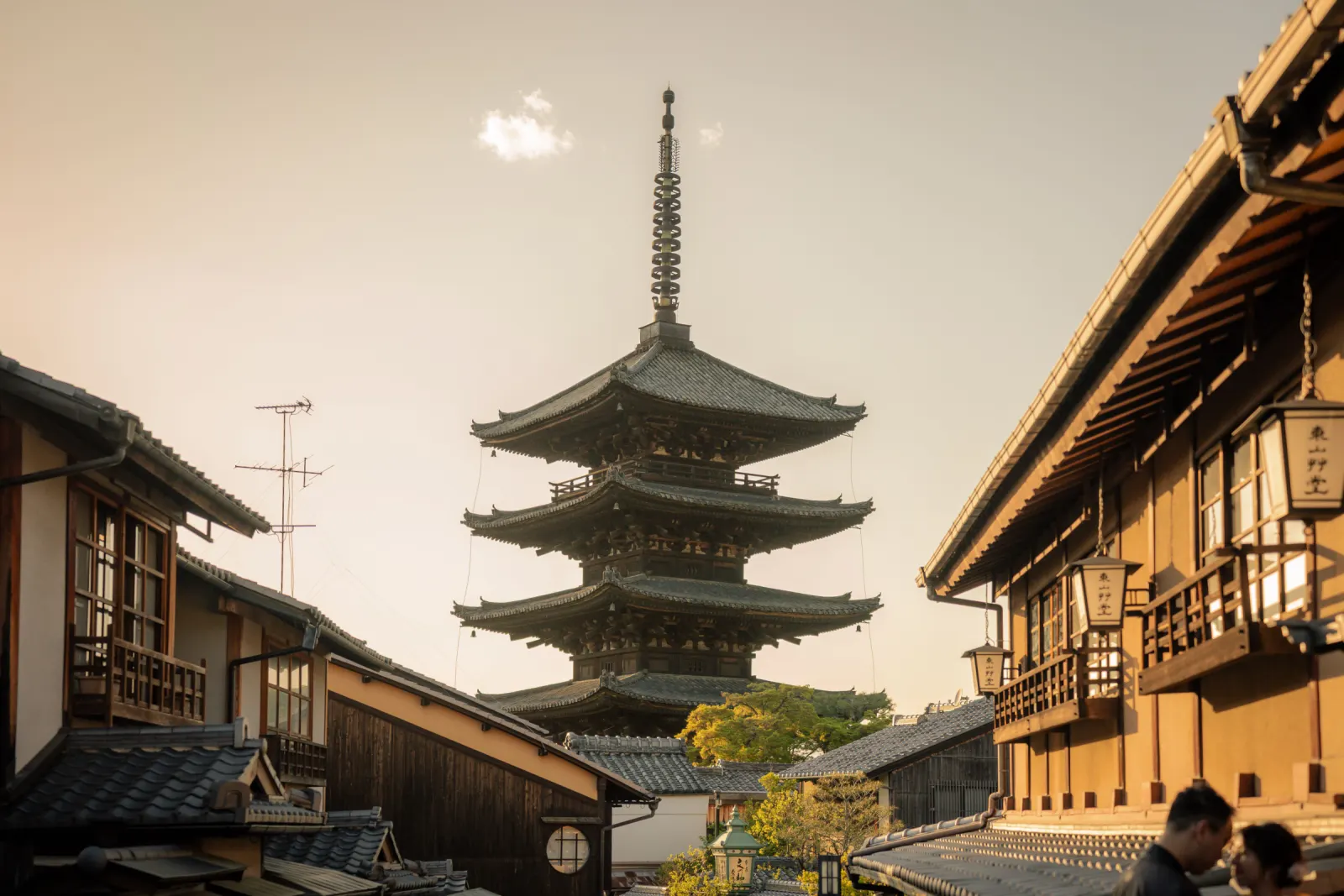
Pagoda seen between traditional wooden houses at dusk

Japan travel guide

A city-based trip through Tokyo, Osaka, Kyoto and beyond, best in May and October

Best: May, Oct

Photo: Andrea De Santis / Pexels

Capital
Tokyo
Language
Japanese
Currency
Japanese yen
Time zone
UTC+09:00
Plugs
Type A, B · 100 V
Driving
On the left
Emergency
119 / 118 / 110

Why visit Japan

Japan suits travellers who like a city-based trip. Tokyo, Osaka, Kyoto, Hiroshima, Fukuoka and Kanazawa can fill one itinerary. Sapporo and Naha add more distant options. The best months to go are May and October. One practical limitation: Japan runs on 100 V with type A and B plugs. Check that your devices work on 100 V and bring the right adapter. Japanese is the only language listed, so learn a few phrases before you go.

  • Tokyo, the capital on the coast

    Tokyo is Japan's capital and its largest city, with 14264798 people. It sits on the coast, so you can pair a big-city stay with time by the sea. It makes a practical first base for most trips.

  • Large cities beyond the capital

    Japan is not only Tokyo. Osaka has 2751862 people, Sapporo 1959313, Fukuoka 1603043, Kyoto 1463723 and Hiroshima 1198021. You can build a route that links several major cities, each with its own character.

  • Smaller cities for a slower base

    If you prefer a smaller place, Kanazawa has 462479 people and Naha has 316048. Both are far smaller than Tokyo or Osaka. They suit travellers who want a quieter base between visits to the larger cities.

  • Coast and inland in one trip

    Tokyo, Osaka, Fukuoka, Hiroshima and Naha are all coastal cities. Kyoto, Sapporo and Kanazawa lie inland. This mix lets you plan a trip that moves between the sea and the interior of the country.

  • Two clear best months

    May and October are the best months to visit Japan. If your dates are flexible, plan around one of these two months. Outside them, check conditions for your chosen cities before you book.

Is Japan right for you?

Great for

  • Spring trips in May, with highs of about 20°C and around 10 rain days
  • Autumn trips in October, with highs of about 18°C and cooler nights near 9°C
  • City breaks in Tokyo, Osaka, Kyoto, Fukuoka or Hiroshima
  • Winter visitors who want drier months: December to February have about 8 rain days each
  • Drivers used to the left side of the road, as Japan drives on the left

Less ideal for

  • Travellers who dislike rain: June and July bring 14 to 17 rain days
  • People who struggle in heat: August highs average 28°C
  • Travellers who dislike cold: January averages 4°C highs and -4.6°C lows
  • Visitors bringing appliances without adapters: plugs are type A and B at 100 V

Japan right now: October

7.7/10
Avg high
18°C
Avg low
9°C
Rain days
10

Averages for Japan.

Weather by month

This chart uses 2015–2024 data labelled only as Japan, with no city named; May and October score best, with highs of about 20°C and 18°C and roughly 10 rain days. Avoid December to March, when lows drop below freezing and reach -4.6°C in January, and expect the wettest weather in July, with 17.1 rain days.

Average highs and lows in Japan by month January: high 4°C, low -5°C , 8 rain days . February: high 5°C, low -4°C , 8 rain days . March: high 10°C, low -1°C , 11 rain days . April: high 15°C, low 4°C , 11 rain days . May: high 20°C, low 9°C , 10 rain days . June: high 23°C, low 14°C , 14 rain days . July: high 27°C, low 18°C , 17 rain days . August: high 28°C, low 19°C , 15 rain days . September: high 24°C, low 15°C , 13 rain days . October: high 18°C, low 9°C , 10 rain days . November: high 13°C, low 3°C , 8 rain days . December: high 7°C, low -2°C , 9 rain days . 4°C -5°C JAN 8d 5°C -4°C FEB 8d 10°C -1°C MAR 11d 15°C 4°C APR 11d 20°C 9°C MAY 10d 23°C 14°C JUN 14d 27°C 18°C JUL 17d 28°C 19°C AUG 15d 24°C 15°C SEP 13d 18°C 9°C OCT 10d 13°C 3°C NOV 8d 7°C -2°C DEC 9d
Best months Other months (low–high) Nd = rain days

Japan (country average) · averages 2015–2024

Best time to visit Japan: month-by-month weather →

Sample itineraries

7 days

Tokyo, Kyoto and Osaka in one week

  1. Day 1–3

    Tokyo

    Start in the capital, the largest city on this route. Use these days to adjust to the UTC+09:00 time zone, get yen and explore a few different neighbourhoods on foot and by train.

  2. Day 4–5

    Kyoto

    Move inland to Kyoto for a slower pace. Spend your time walking its older districts and give yourself quiet mornings before the day crowds arrive.

  3. Day 6–7

    Osaka

    Finish in Osaka, a coastal city with a more casual feel than Tokyo. Focus on eating out and evening walks, then fly home or continue your trip from here.

10 days

From Tokyo west to Hiroshima

  1. Day 1–3

    Tokyo

    Begin in the capital and the biggest city on this route. Take time to recover from the flight, then explore several neighbourhoods. Pack an adapter if your devices do not use plug types A or B.

  2. Day 4–5

    Kanazawa

    Head to Kanazawa, a much smaller inland city. It is a calm break after Tokyo and a good place for unhurried walks and long meals.

  3. Day 6–7

    Kyoto

    Continue to Kyoto, also inland. Walk its older streets and plan early starts, because the most popular areas get busy later in the day.

  4. Day 8

    Osaka

    Spend one day in coastal Osaka. Keep it simple: wander, eat well and enjoy the city in the evening, when it is at its liveliest.

  5. Day 9–10

    Hiroshima

    End in Hiroshima on the coast. Give yourself enough time here to learn about the city's history at a thoughtful pace before you travel home.

Food to try in Japan

Sushi

Vinegared rice topped or rolled with raw fish, seafood or vegetables. You can eat it across Japan, from cheap conveyor-belt restaurants to small counters where a chef serves one piece at a time.

Ramen

Wheat noodles in a hot broth, often based on pork, soy sauce or miso. Styles change from region to region. Small ramen shops serve it as a quick, filling meal.

Tempura

Seafood and vegetables fried in a light, thin batter. It is served on its own with a dipping sauce, on a bowl of rice, or with soba noodles.

Miso soup

A simple soup made from fermented soybean paste, often with tofu and seaweed. It comes with many set meals, and many Japanese people eat it at breakfast.

Okonomiyaki

A savoury pancake of batter and cabbage with meat or seafood, cooked on a hot plate. Osaka and Hiroshima are both known for their own style.

Sake

An alcoholic drink brewed from rice. It is drunk warm or chilled, and you will find it in most izakaya, the casual Japanese pubs where people drink and share small dishes.

Know before you go

  • Plugs and voltage: Japan uses plug types A and B, with a 100 V supply. Check the label on your chargers and devices before you plug them in, and bring an adapter if your plugs differ.
  • Driving side: Traffic drives on the left in Japan. If you plan to rent a car, check the licence and permit rules for your country before you travel.
  • Emergency numbers: Japan's emergency numbers are 119, 118 and 110. Each connects to a different service, so note which is which before your trip and save them in your phone.
  • Currency: The currency is the Japanese yen. Check the current exchange rate before you go, and carry some cash as a backup to cards.
  • Language: Japanese is the official language. A translation app and a few basic phrases will help, especially outside the main cities.
  • Time zone and calling: Japan is on UTC+09:00 all year. The country calling code is +81, which you need when calling Japanese numbers from abroad.
  • Tipping: Tipping is not customary in Japan. Staff may refuse a tip or try to return it, so simply pay the bill and say thank you.
  • Tap water: Tap water is generally safe to drink across Japan. You can refill a bottle rather than buying water throughout the day.

Japan: frequently asked questions

When is the best time to visit Japan?

May and October are the best months to visit Japan. May has highs of 20.3°C, lows of 9.3°C, 9.7 rain days and 9.8 hours of sun a day. It scores 8.1 out of 10. October is a little cooler at 17.6°C, with 10.3 rain days, and scores 7.7. April, June, July, August and September also rate as good. These figures are national averages, so cities in the far north and south will differ.

Is Japan good to visit in August?

Yes, August rates as good, but it is the hottest month. Average highs reach 28°C and nights stay warm at 18.9°C. It also has the most sun, with 10.4 hours a day. The downside is rain: there are 15.2 rain days. August scores 6 out of 10, which is below May, June, July, September and October.

Should I visit Japan in winter?

For general sightseeing, our data says avoid December to March. January averages a high of just 4°C and a low of -4.6°C, and scores only 3.3 out of 10. December also scores 3.3, and February scores 3.5. Winter is the driest part of the year, with about 62 to 74 mm of rain a month. If you do go, pack for cold weather.

What is the rainiest month in Japan?

July is the wettest month, with 17.1 rain days and 179 mm of rain on average. June is close behind, with 13.7 rain days and 175 mm. Both months still rate as good, but expect frequent showers and carry an umbrella. May has fewer rain days, at 9.7, which is one reason it rates as a best month.

What plugs and voltage does Japan use?

Japan uses plug types A and B, with a voltage of 100 V. Many travellers come from countries with higher voltage. Check that your chargers and devices accept 100 V before you plug them in, and bring an adapter if your plugs are a different type.

What practical basics should I know before visiting Japan?

Japan uses the Japanese yen, and the main language is Japanese. The whole country is on UTC+09:00. Cars drive on the left. The country calling code is +81. The emergency numbers are 119, 118 and 110, so save them on your phone before you arrive. Tokyo is the capital and the largest city.

Similar destinations

Countries with a year of weather much like Japan.