ʻOta ʻika
Raw fish marinated in citrus juice, then mixed with coconut cream and chopped vegetables. It is a common starter at family meals and feasts, and many cafés in Nuku'alofa serve it.
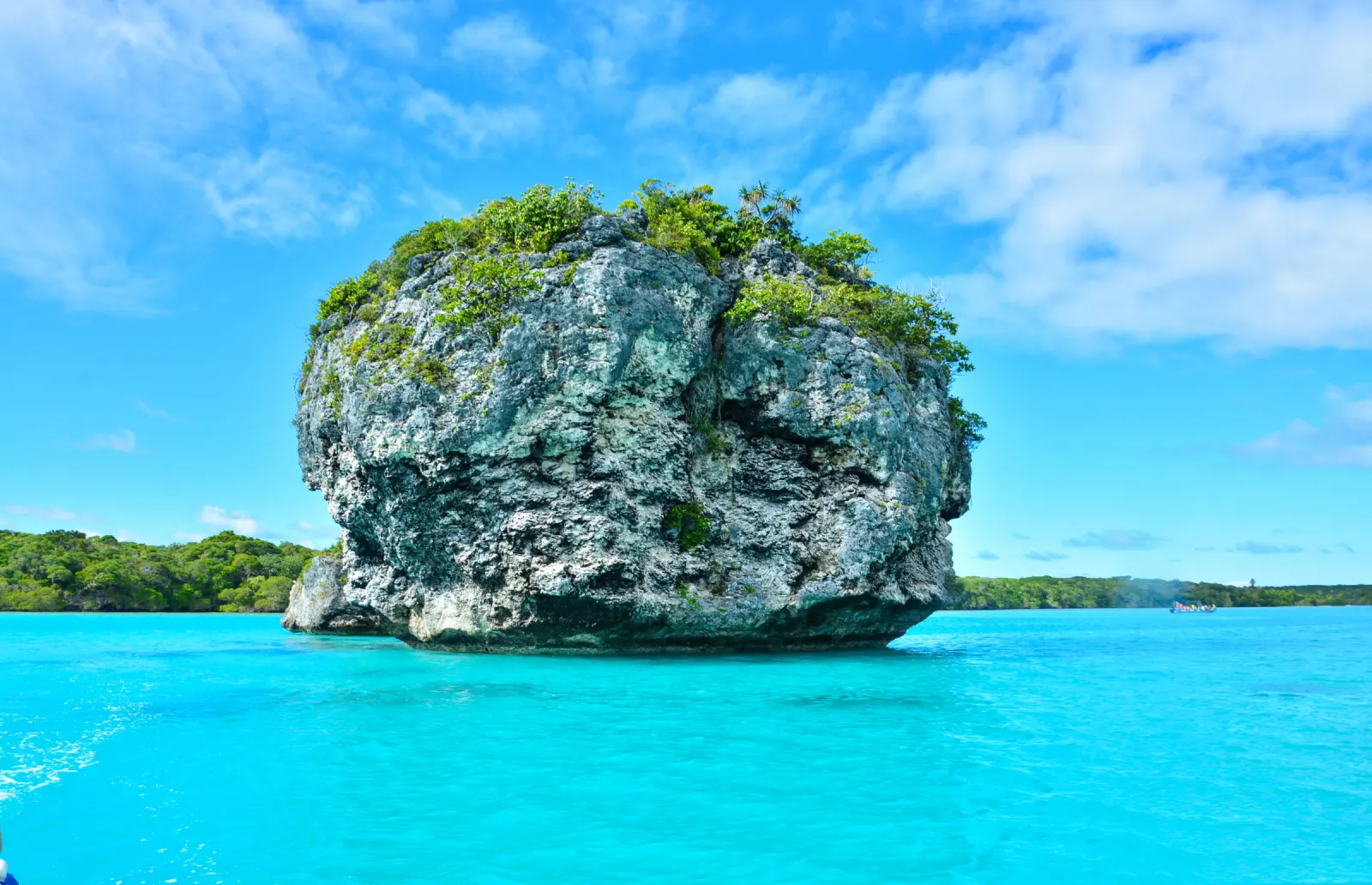
A small Polynesian country for slow, quiet travel on the coast of the South Pacific
Photo: Rodny MARTIAL / Pexels
Jun, Jul, Aug, Sep
Top score of 8.5. The driest month, with 68 mm of rain over 7.3 days, and highs near 24°C.
Jan, Feb, Mar, Apr, Dec
Tonga is a small country in Polynesia, with 747 km² of land and about 100,179 people. It suits travellers who want a slow, quiet trip with time by the sea, not a busy sightseeing list. English and Tongan are both spoken. The best months are June to September. The honest limitation is scale. Nukuʻalofa, the capital, has about 23,221 people, so there is little big-city nightlife or shopping.
Our data points to June, July, August and September as the best months to visit Tonga, with July ranked first. This gives you a simple window for planning, whether you want a short trip or a longer stay across several islands.
Tonga covers just 747 km² and has about 100179 people. That small scale suits independent travellers who like a slower pace, fewer crowds and a trip where local life stays close at hand.
The capital, Nukuʻalofa, sits on the coast and has about 23221 residents. It is a manageable base for arriving, sorting practical details and getting a first feel for Tonga before you head further out.
Tonga has 2 official languages, Tongan and English. English-speaking visitors can usually handle signs, bookings and everyday questions, while learning a few Tongan words is a good way to connect with the Polynesian culture around you.
Tonga uses the Tongan paʻanga, runs on UTC+13:00 and drives on the left. Power sockets are type I at 240 V, the same type used in Australia and New Zealand, so check your adapters before you fly.
Great for
Less ideal for
Averages for Tonga.
The climate data is for Tonga as a whole, and June to September scores best, with highs of 24–25°C, 7–10 rain days a month and just 68 mm of rain in July. January to March is the wettest stretch, with 19–20 rain days a month and up to 299 mm in February, but highs stay near 27–28°C with 9–10 sun hours a day.
Tonga (country average) · averages 2015–2024
Raw fish marinated in citrus juice, then mixed with coconut cream and chopped vegetables. It is a common starter at family meals and feasts, and many cafés in Nuku'alofa serve it.
Corned beef and onion wrapped in taro leaves with coconut cream, then slow-cooked in an earth oven. Many families eat it for Sunday lunch after church.
The ʻumu is an underground oven of hot stones. Root crops, meat, fish and leaf parcels cook in it for hours. It is central to Sunday meals and big celebrations.
A mild, earthy drink made from the ground root of the kava plant mixed with water. People share it from one bowl at evening gatherings called faikava, often with music and long conversations.
Mutton or lamb flaps cooked in taro leaves with coconut cream. It is rich and fatty, and often appears at feasts next to lu pulu and root crops.
Soft flour dumplings served in a sweet sauce of coconut cream and caramelised sugar. It is a simple home-style dessert or snack, often eaten after a larger meal.
July is the best month to visit Tonga, with a score of 8.5. It is the driest month, with 68 mm of rain over about 7 rain days. Highs are around 24°C, with 9.2 hours of sun a day. June, August and September also score 8 or higher, so June to September is the strongest period for weather.
February is still a good month, but it is the wettest of the year. It gets 299 mm of rain on about 20 days, and highs are close to 28°C. You still get about 9.6 hours of sun a day. January and March are similar, with around 19 to 20 rain days, so expect warm, humid weather with frequent showers.
Tonga stays warm all year, with only a small change between seasons. February is the warmest month, with highs of about 28°C. August is the coolest, with highs near 24°C and lows around 22.5°C. Temperatures between day and night change very little, so you rarely need warm clothes.
Yes, November is one of the best months, with a score of 7.9. It is the sunniest month of the year, with 11.3 hours of sun a day. Rain is low at 84 mm over about 10 rain days, and highs are around 26°C. From December, rain rises to 158 mm on about 16 days.
Tonga uses Type I plugs and 240 V electricity. The currency is the Tongan paʻanga. English and Tongan are the official languages. People drive on the left, and the country is on UTC+13:00. The international calling code is +676.
The emergency number in Tonga is 911 / 999. Save it on your phone before you travel. The capital, Nukuʻalofa, is on the coast and has about 23,221 people, while the whole country has about 100,179 people on 747 km² of land.
Countries with a year of weather much like Tonga.
Enter to search · Esc to close