Skip to content
wheretotravel.info
Cairo

Cairo travel guide

What to see, where to stay and the best time to visit Cairo, Egypt.

Best: Feb, Mar, Nov, Dec

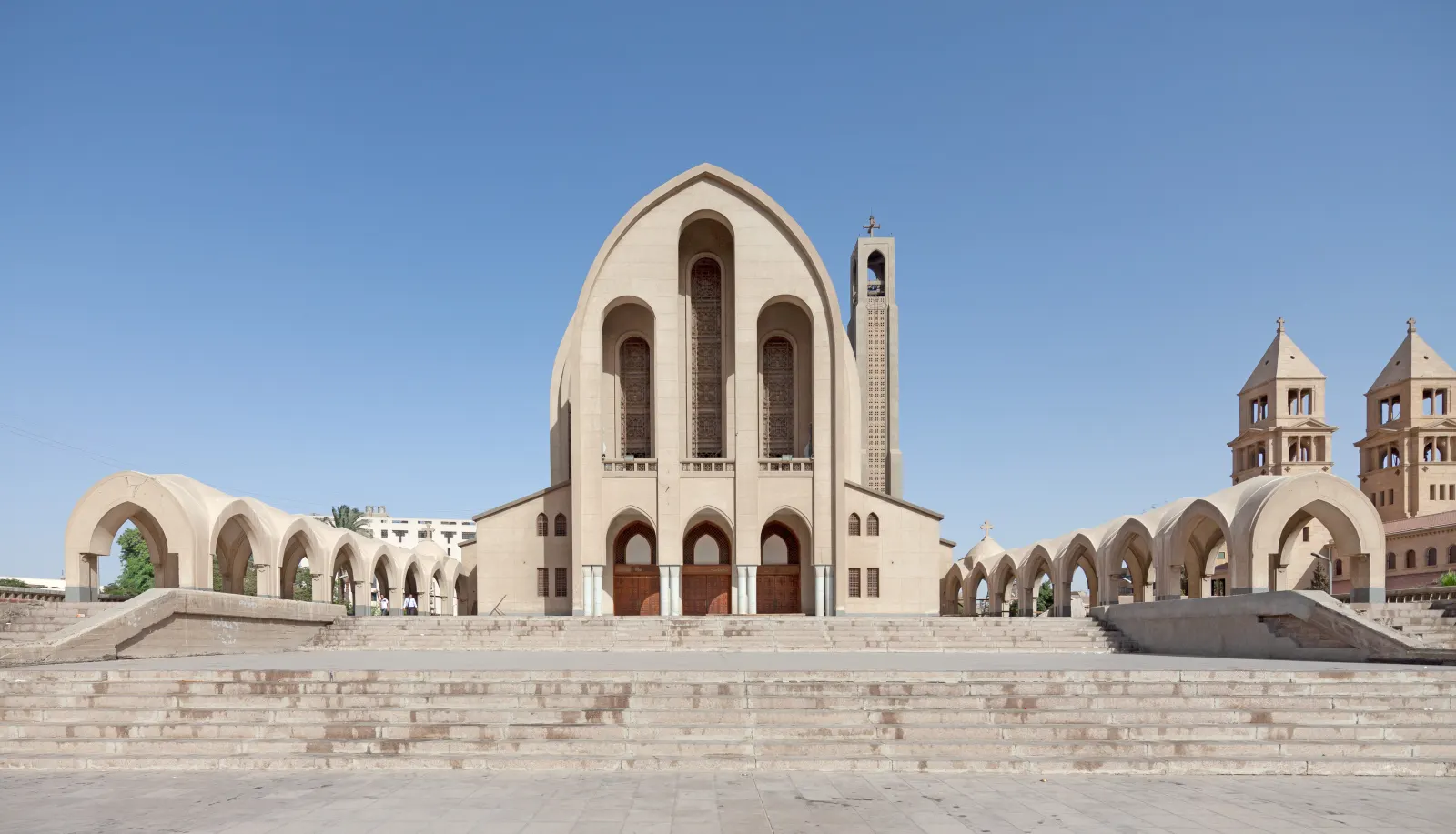
Photo: Roland Unger / Wikimedia Commons

Country
Egypt

About Cairo

Cairo is Egypt's capital, a large inland city on the Nile, mixing ancient monuments, Islamic-era mosques and modern street life. Expect heat, noise and traffic, but also some of the world's most important historical sites, from the Pyramids of Giza to the old quarters of Islamic Cairo. The best months to visit are November, December, February and March, when temperatures are milder than the summer heat.

How many days do you need in Cairo?

The main sights range from 1-hour visits, like Al-Azhar Mosque, to half-day trips, like the Pyramids of Giza or Coptic Cairo. Plan enough days to cover Giza, Islamic Cairo, Downtown and the museums without rushing.

Top attractions in Cairo

  1. 1Pyramids of Giza

    half a day

    Giza Plateau

    The great pyramids and the Sphinx stand on a desert plateau at the western edge of the city. You can walk around the monuments, go inside a pyramid with a separate ticket, and see the plateau from the panorama viewpoint. Go early, when it is cooler and quieter.

  2. 2Grand Egyptian Museum

    half a day

    Giza

    A large modern museum close to the pyramids, built for ancient Egyptian collections. Its highlights include the full Tutankhamun treasure, a colossal statue of Ramses II in the atrium and a grand staircase lined with statues. It pairs well with a morning at the pyramids.

  3. 3Egyptian Museum

    2–3 hours

    Tahrir Square, Downtown

    The historic pink museum on Tahrir Square holds a huge collection of statues, coffins and everyday objects from ancient Egypt. Displays are old-fashioned and crowded with objects, which many visitors enjoy. It works well with a walk around central Cairo.

  4. 4Khan el-Khalili

    2–3 hours

    Islamic Cairo

    Cairo's best-known bazaar, a maze of lanes selling lamps, spices, textiles, silver and souvenirs. Stop at one of the old coffee houses for tea and people-watching. Expect to bargain.

  5. 5Al-Muizz Street

    2–3 hours

    Islamic Cairo

    A long, partly pedestrian street running north from Khan el-Khalili, lined with medieval mosques, madrasas, fountains and merchant houses. It is one of the best places to see historic Islamic architecture in one walk. Evenings are pleasant, when the facades are lit.

  6. 6Cairo Citadel

    2–3 hours

    Salah Salem, Islamic Cairo

    A medieval hilltop fortress built under Saladin, with mosques and small museums inside its walls. The domed Mosque of Muhammad Ali is the main sight, and the terraces give wide views over the city.

  7. 7Mosque-Madrasa of Sultan Hassan

    1 hour

    Islamic Cairo, below the Citadel

    A massive Mamluk-era mosque and religious school with a huge open courtyard and tall, plain stone walls. It sits beside the Al-Rifai Mosque, so you can visit both in one stop.

  8. 8Al-Azhar Mosque

    1 hour

    Islamic Cairo

    One of the oldest mosques in Cairo and home to a famous centre of Islamic learning. Its marble courtyard and prayer hall are calm after the streets outside. Dress modestly; women need to cover their hair.

  9. 9Coptic Cairo

    half a day

    Old Cairo

    A compact walled quarter with some of the city's oldest churches, including the Hanging Church, plus the Coptic Museum and the Ben Ezra Synagogue. It shows a side of Cairo's history before and beside Islam. The Mar Girgis metro station is right outside.

  10. 10National Museum of Egyptian Civilization

    2–3 hours

    Fustat

    A modern museum covering Egyptian history from prehistory to today. Its best-known room is the Royal Mummies Hall, where the mummies of ancient kings and queens are shown in a quiet, dim setting. It is close to Coptic Cairo, so the two combine well.
Cairo by month

Average weather and our month score, from 10 years of climate data.

Weather by month and month scores for Cairo
Month High / low Rain days Sunshine Score
January 19°C / 9°C 2 days (6 mm) 9.3 h/day 9.6/10
Best month: February 21°C / 10°C 2 days (7 mm) 9.3 h/day 9.7/10
Best month: March 25°C / 12°C 1 day (9 mm) 10.8 h/day 9.7/10
April 30°C / 15°C 0 days (2 mm) 11.5 h/day 8.1/10
May 34°C / 19°C 0 days (0 mm) 12.4 h/day 4.5/10
June 37°C / 22°C 0 days (0 mm) 13.6 h/day 3.5/10
July 38°C / 23°C 0 days (0 mm) 13.5 h/day 3.5/10
August 38°C / 24°C 0 days (0 mm) 12.2 h/day 3.5/10
September 36°C / 23°C 0 days (0 mm) 11.7 h/day 3.8/10
October 31°C / 20°C 1 day (3 mm) 10.7 h/day 7.4/10
Best month: November 26°C / 15°C 1 day (3 mm) 9.7 h/day 9.8/10
Best month: December 21°C / 11°C 1 day (6 mm) 9.1 h/day 9.7/10
  1. Jan

    Highs reach 19°C with 1.8 rain days, cool and dry. One of the best months to visit, with a score of 9.6.

  2. Feb

    Highs climb to 21°C, rain stays light at 1.7 days. Comfortable sightseeing weather earns this month a top score of 9.7.

  3. Mar

    Highs hit 24.8°C with just 1.3 rain days and 10.8 sun hours. Still rated among the best months, scoring 9.7.

  4. Apr

    Highs jump to 29.7°C with only 0.4 rain days, so it's warm and dry. Rated 8.1, still a best-month pick before the real heat sets in.

  5. May

    Highs reach 34°C with almost no rain. The heat pulls the score down to 4.5, an ok but noticeably hotter month.

  6. Jun

    Highs of 36.7°C with zero rain days make this a tough, very hot month, scoring just 3.5.

  7. Jul

    The hottest month, with highs of 37.9°C and no rain at all. Scores 3.5 due to the intense heat.

  8. Aug

    Highs stay near 37.6°C with no rain. Still scores a low 3.5, among the toughest months to be outdoors midday.

  9. Sep

    Highs of 35.5°C and dry conditions persist. The heat keeps the score low at 3.8.

  10. Oct

    Highs ease to 31°C with 0.6 rain days. Conditions improve, lifting the score to 7.4, a good month.

  11. Nov

    Highs drop to 26°C with 0.9 rain days, mild and pleasant. This is the top-scoring month at 9.8.

  12. Dec

    Highs of 21.3°C with 1.4 rain days bring cool, comfortable weather. Scores 9.7, another of the best months.

Climate averages 2015–2024 · Best time to visit Egypt →

Where to stay in Cairo

The best areas to base yourself and who each one suits.

Downtown

Good for first-timers, budget travellers

Cairo's central district has grand old European-style buildings, cheap cafes and the Egyptian Museum on Tahrir Square. You can walk to many sights and reach most of the city by metro. Traffic, car horns and crowds make it loud from morning until late at night.

Zamalek

Good for couples, food and nightlife

This leafy district on an island in the Nile has embassies, galleries, bookshops and many of the city's better restaurants and bars. It feels calmer and greener than the centre. There is no metro stop on the island, so you rely on taxis and the bridges often jam at rush hour.

Giza

Good for pyramid fans, short stays

Staying near the Pyramids plateau means you can reach the site early, before tour groups arrive, and many rooms look out at the pyramids. It is on the west side of the city, far from Islamic Cairo and Downtown. Expect long taxi rides into town and persistent touts near the site entrance.

Garden City

Good for quiet, business travellers

Winding streets of older villas and embassies sit between Downtown and the Nile. It is calmer than the centre but still within walking distance of Tahrir Square. Evenings are quiet, with few places to eat in the area itself.

Islamic Cairo

Good for history lovers, photographers

The medieval city around Khan el-Khalili market and Al-Muizz Street is full of mosques, old gates and workshops. Staying here puts you inside Cairo's oldest streets, at their best early and late in the day. Places to stay are few and simple, lanes are narrow and noisy, and cars struggle to get close.

Getting to and around Cairo

From the airport
No route data is available for Cairo International Airport. The usual options into the centre are a taxi, a ride-hailing app, or a hotel pickup; agree on a taxi fare before you set off.
Public transport
Cairo has a metro that links Downtown, Giza, and other districts, plus buses and microbuses. The metro is the easiest option for visitors since traffic and bus routes can be hard to follow; avoid rush hour if you can.
On foot
Islamic Cairo is walkable: Khan el-Khalili, Al-Muizz Street, the Citadel, Sultan Hassan, and Al-Azhar Mosque sit close together. Downtown and the Giza sites need transport or taxis.

Food to try in Cairo

Koshari

Koshari is Egypt's national dish, a mix of rice, lentils, macaroni, chickpeas, and a tangy tomato-vinegar sauce topped with crispy fried onions. Locals eat it as a cheap, filling lunch from small koshari shops across Cairo.

Ful medames

Ful medames is slow-cooked fava beans mashed with oil, lemon, and garlic. Cairenes eat it for breakfast, often scooped up with fresh baladi bread from street carts or small cafes.

Ta'ameya

Ta'ameya is Egypt's version of falafel, made from mashed fava beans and herbs instead of chickpeas. It's a common breakfast or snack item, usually served in bread with salad and tahini sauce.

Molokhia

Molokhia is a green soup made from chopped jute leaves cooked with garlic and coriander, usually served over rice with chicken or rabbit. It's a classic home-cooked dish found in many Cairo restaurants.

Mahshi

Mahshi means stuffed vegetables, usually vine leaves, peppers, or zucchini filled with spiced rice and herbs. Families often prepare it for shared meals, and it appears on menus at traditional Cairo restaurants.

Om Ali

Om Ali is a warm bread pudding made with puff pastry, milk, nuts, and raisins. It's a popular dessert served after dinner in Cairo restaurants, especially during colder months.

More of Egypt

Egypt travel guide →

Cairo: frequently asked questions

Is Cairo good in August?

No, August is one of the toughest months, scoring 3.5 out of 10. Daytime highs average 37.6°C and lows stay near 24°C overnight, so even evenings bring little relief. There's no rain to cool things down, and 12.2 hours of sun add to the heat load. It suits travellers who don't mind strong heat.

What is the best time to visit Cairo?

The best months are November, December, February and March, all scoring 9.6 or higher. November is the top month at 9.8, with highs around 26°C and lows near 15.4°C. December and February sit in a similar range, 19–21°C highs, making sightseeing outdoors comfortable without heavy rain.

How many days do I need in Cairo?

Plan for at least 2 to 3 days. The Pyramids of Giza and Grand Egyptian Museum each take half a day, while the Egyptian Museum, Khan el-Khalili, Al-Muizz Street, and the Citadel each need 2–3 hours. Add Coptic Cairo, another half-day stop, if you want a fuller picture of the city's history.

Does it rain much in Cairo?

No, rain is rare in Cairo year-round. The wettest months are January and December, each with about 6mm of rain over roughly 1.4 to 1.8 rain days. From May through September, rain days drop to zero or near zero, so dry weather is the norm almost all year.

Is Cairo too hot in summer?

Summer, from June to September, brings the hottest and lowest-scoring weather, all rated 'avoid' with scores between 3.5 and 3.8. July is the peak, with highs of 37.9°C and lows of 23.4°C. These months also get over 11.5 hours of sun daily, making midday outdoor activity demanding.