Keshi Yena
This is a baked dish of spiced meat stuffed inside a shell of Gouda or Edam cheese. It reflects the Dutch dairy trade history and is served at family gatherings and festive meals across the Caribbean Netherlands.
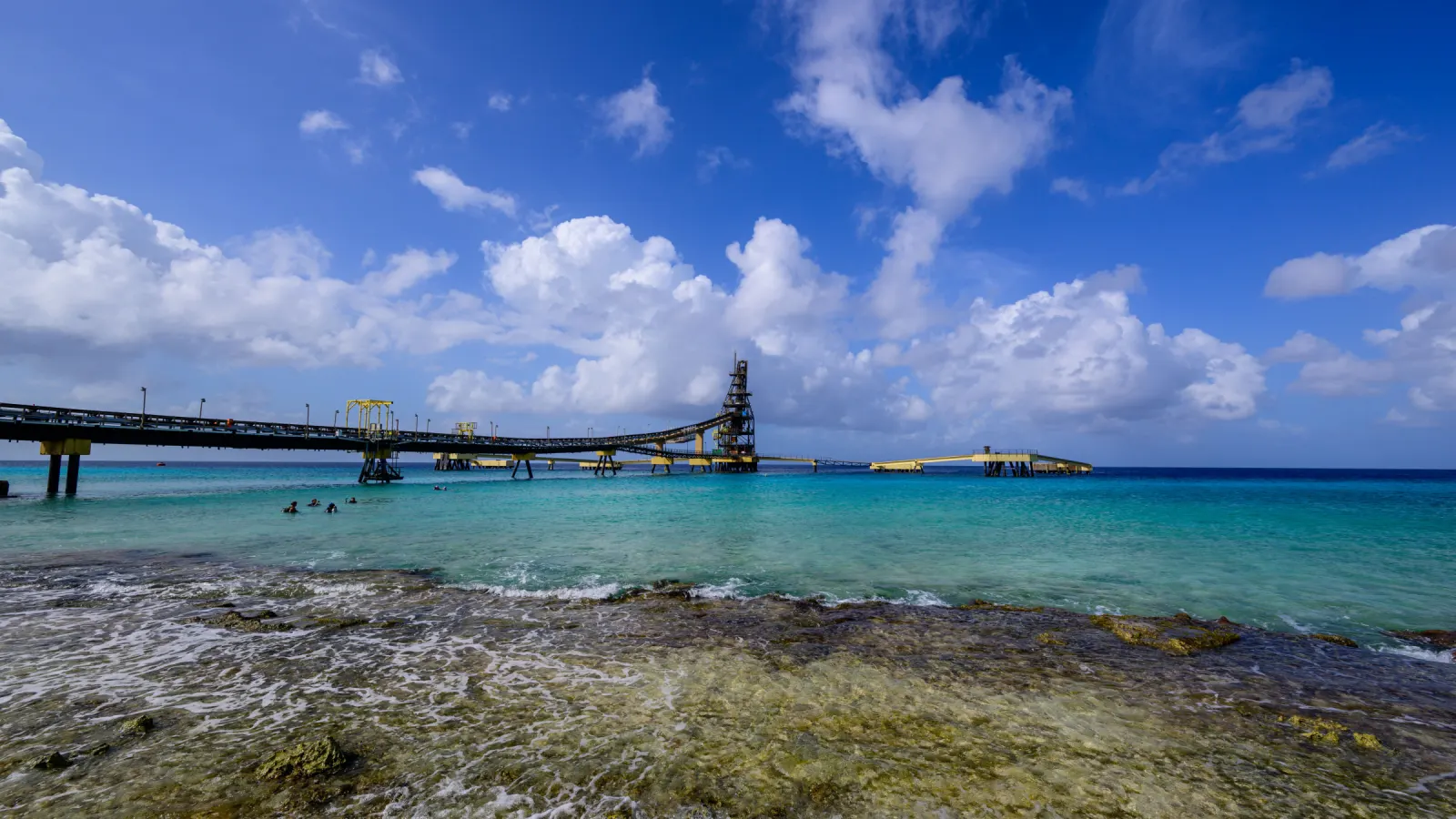
Dry-season diving and quiet island life in the southern Caribbean
Photo: Attie Heunis / Pexels
Feb, Mar
Top score of 6.8, with highs of 28°C, just 11.5 rain days and 11.5 sun hours.
Jan, Apr, May
Caribbean Netherlands suits travellers who want diving, snorkelling and a slower pace rather than nightlife. The islands of Bonaire, Sint Eustatius and Saba cover just 328 km2 and share a small population. February and March bring the driest, calmest weather, ideal for time on the water. The honest limitation: with so few people and a small land area, options for shopping, dining and entertainment are limited compared to bigger Caribbean destinations.
The Caribbean Netherlands covers just 328 km2 and has a population of only 31,980. That makes it one of the least crowded parts of the Caribbean, with plenty of space to explore without large crowds.
The driest and most pleasant months to visit are February and March. These months are a good time to plan outdoor activities and island exploring before the weather changes later in the year.
The islands use the United States dollar as their currency. That means no exchange rate calculations for US visitors, and simpler budgeting throughout the trip.
English, Dutch, and Papiamento are all spoken across the islands. This mix points to a layered history and makes conversations with locals interesting no matter which language you know.
Kralendijk serves as the capital of the Caribbean Netherlands. Its small scale makes it an easy starting point for day trips around the surrounding islands.
Great for
Less ideal for
Averages for Caribbean Netherlands.
Based on data for the Caribbean Netherlands, March and February are the best months, with highs around 27.5-27.8°C, low rain (32-34mm) and only 11-13 rain days, giving the sunniest, driest conditions. October and November are the toughest, bringing the heaviest rain of the year, with November averaging 121mm over 21.3 rain days as the wet season peaks.
Caribbean Netherlands (country average) · averages 2015–2024
Typical journey times and fares between the main places.
| Route | By | Time | Price |
|---|---|---|---|
| Saba → Sint Maarten Winair. The flight itself is very short; the 75 minutes allow for check-in time. Fares come from Winair's 'seen recently' list: one-way from USD 50 (Saba to SXM) and up to USD 136 (SXM to Saba). Planes are small and seats sell out, so book early. Flight time is an estimate because Winair's pages don't list it. | flight | 1 h 15 min | 50–136 USD ↗ |
| Saba → Sint Maarten The Edge high-speed ferry leaves from Simpson Bay, Sint Maarten. One-way is USD 55 plus a USD 15 port fee. The fare comes from a travel guide, not the operator, and may be out of date. The crossing time is from Rome2Rio. It runs only a few days a week, and fewer in low season. Makana Ferry also links Sint Maarten, Saba and Sint Eustatius (makanaferryservice.com), but I could not find its fares. | ferry | 1 h 15 min | 55–70 USD ↗ |
| Sint Eustatius → Sint Maarten Winair, flying Oranjestad (EUX) to Philipsburg (SXM). The one fare I found was USD 147 for SXM to EUX. The 80 minutes are an estimate that includes check-in. Makana Ferry also runs a boat on this route. | flight | 1 h 20 min | 147 USD ↗ |
| Saba → Sint Eustatius Winair flies The Bottom (SAB) to Oranjestad (EUX). It doesn't fly every day, so check the dates. The 75 minutes are an estimate that includes check-in. Makana Ferry also connects the two islands. | flight | 1 h 15 min | 119–129 USD ↗ |
| Bonaire → Curaçao Divi Divi Air and EZ Air fly this route several times a day. The flight takes about 30 minutes; the 90 minutes include check-in. Fares come from Wego and Trip.com, not the airlines. | flight | 1 h 30 min | 85–365 USD ↗ |
Staying connected
If your phone plan doesn't include Caribbean Netherlands, an eSIM set up before you leave gives you data on arrival.
This is a baked dish of spiced meat stuffed inside a shell of Gouda or Edam cheese. It reflects the Dutch dairy trade history and is served at family gatherings and festive meals across the Caribbean Netherlands.
A slow-cooked stew made with goat, beef, or conch, simmered with tomatoes, peppers, and local herbs. It is a staple comfort food found on Bonaire, Saba, and Sint Eustatius.
Conch is pulled from the surrounding reefs and prepared as fritters, salads, or stewed. It is a common catch on Bonaire, where the sea is a daily source of food.
These are fried, slightly dense flatbreads made from flour, often eaten at breakfast with cheese, fish, or eggs. They appear on menus throughout the three islands.
A spiced rum made on the small island of Saba, flavored with local spices and sugar. It is a drink tied specifically to Saba's small-scale distilling tradition.
Grilled or fried fish, often red snapper or mahi-mahi, is served fresh at waterfront restaurants. Because the islands are surrounded by the Caribbean Sea, seafood is a everyday part of island meals.
August is rated ok, not the best time. Highs reach 29.7°C with 13.1 rain days and 47mm of rain. It's the warmest stretch of the year, so days feel hot and sticky, though sun hours stay high at 11.6. Many travellers still come for diving, since the heat doesn't affect underwater visibility.
March and February score highest, at 6.8 and 6.6 out of 10. Both months bring lower rainfall, around 32mm and 34mm, fewer rain days than later months, and reliable sun hours above 11. Temperatures stay comfortable too, with highs near 27.5–27.8°C and lows around 25°C.
October and November are the wettest months. November sees 121mm of rain over 21.3 days, the highest totals of the year, while October brings 73mm over 17.3 days. Rain tends to fall in short, heavy bursts rather than all-day downpours, and temperatures stay warm, with highs around 28–30°C.
Temperatures stay warm all year, with highs ranging from 27.4°C in January to 30.3°C in September. Lows rarely drop below 24.7°C. There's little seasonal temperature swing here, so the weather you choose by is really about rainfall and sun hours rather than heat or cold.
The United States dollar is the official currency. English, Dutch, and Papiamento are all spoken, so most travellers get by easily with English. The islands run on UTC-04:00 and traffic drives on the right, useful details for planning calls home or renting a car.
Flights and ferries connect the islands, mainly via Sint Maarten. A flight from Saba to Sint Maarten takes 1 h 15 min and costs 50–136 USD, while the ferry on the same route takes the same time for 55–70 USD. Saba to Sint Eustatius is a 1 h 15 min flight costing 119–129 USD.
Countries with a year of weather much like Caribbean Netherlands.
Enter to search · Esc to close