Skip to content
wheretotravel.info
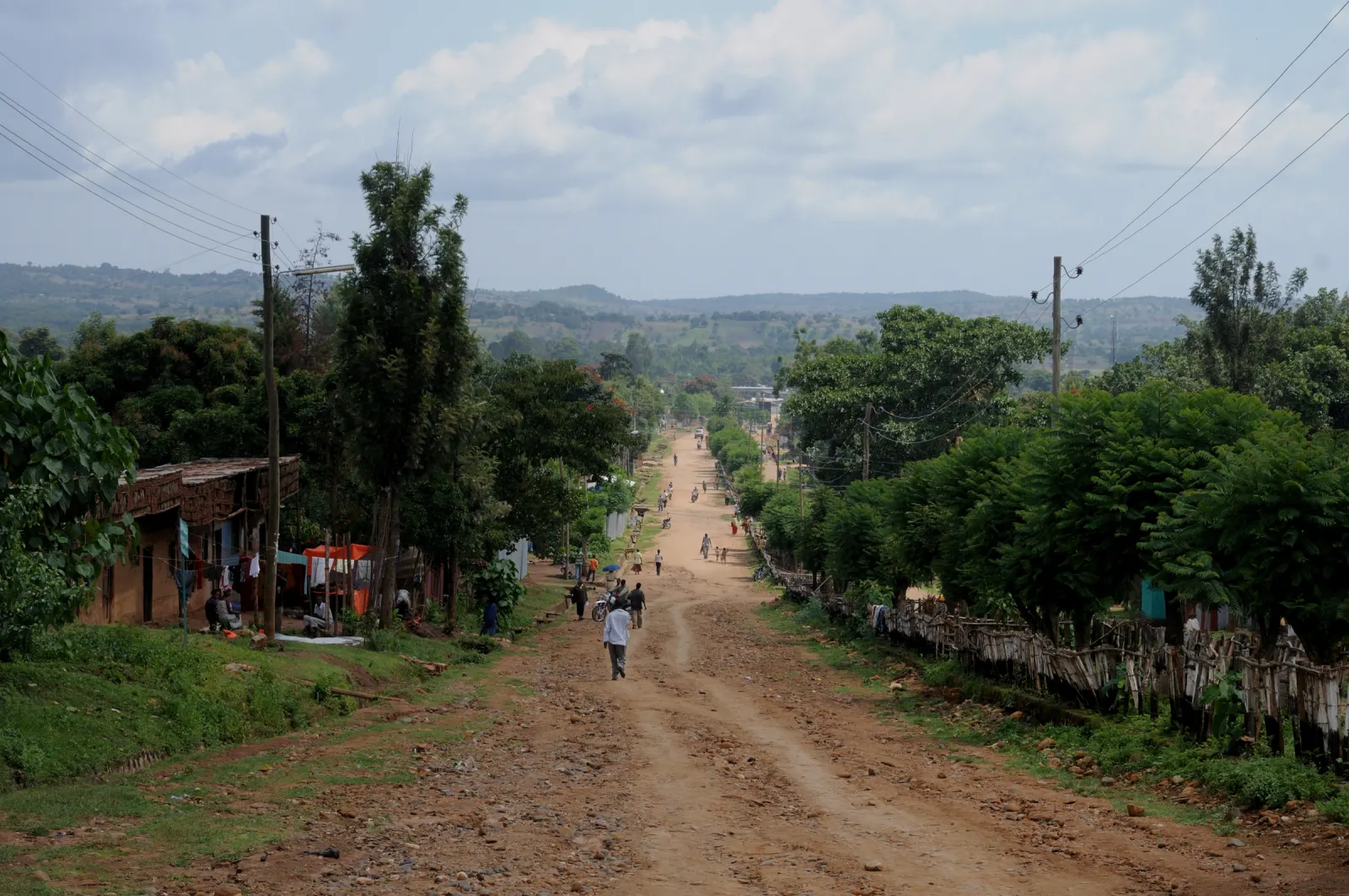
dirt road lined with trees leading into distance

Jinka travel guide

What to see, where to stay and the best time to visit Jinka, Ethiopia.

Best: Jan, Feb

Photo: Josep M. Gracia / Wikimedia Commons

Country
Ethiopia
Currency
ETB

About Jinka

Jinka is a small town in southern Ethiopia, and it works as the base for exploring the South Omo Valley. It's not coastal and not the capital, but a gateway to nature and tribal culture. You can visit the South Omo Research Center and Museum, walk through Jinka Market, and arrange trips to Mago National Park and Mursi villages. Nearby markets at Key Afer and Dimeka, plus Ari and Hamer villages around Turmi, add more cultural depth. The best months to visit are January and February, when conditions are driest and travel on rural roads is easier.

How many days do you need in Jinka?

Plan for at least 2 to 3 days. One day covers Jinka's town sights and market, while the rest lets you reach Mago National Park, Mursi villages, and nearby tribal markets.

Top attractions in Jinka

  1. 1South Omo Research Center and Museum

    1–2 hours

    Jinka

    A small museum and research centre on a hill above town, with displays on the dress, tools and customs of the many peoples of the Omo Valley. Visit it first so the markets and villages make more sense.

  2. 2Mago National Park

    Full day

    Outside Jinka

    A large park of dry savanna and riverine forest between Jinka and the Omo River. Most visitors cross it by 4x4 on the way to Mursi villages. Wildlife is thin, but the landscape and the drive are part of the trip.

  3. 3Mursi villages

    Half a day

    Mago National Park

    The Mursi are known for the lip plates worn by some women. Visits are usually arranged with a local guide and can feel staged and focused on paid photos, so go with a guide who explains the culture and agree on photo rules first.

  4. 4Ari villages

    2–3 hours

    Around Jinka

    The Ari are the largest group in the Jinka area, and their farming villages sit in green hills close to town. Walks with a local guide often include coffee, enset (false banana) farming and home-made pottery.

  5. 5Jinka Market

    1–2 hours

    Jinka

    The weekly market draws Ari, Mursi, Banna and other groups from the surrounding countryside to trade grain, livestock, crafts and coffee. It is one of the easiest ways to see the region's mix of peoples in an everyday setting.

  6. 6Key Afer Market

    2–3 hours

    Key Afer

    A large weekly market on the road south of Jinka where Ari, Banna and Tsemay people meet. It is busier and more colourful than most smaller markets and fits well into a drive towards Turmi.

  7. 7Dimeka Market

    2–3 hours

    Dimeka

    A weekly market in Hamer country, known for Hamer women with ochre-coloured hair and beaded jewellery. It is often combined with a trip from Jinka to Turmi.

  8. 8Turmi and Hamer villages

    Full day

    Turmi

    Turmi is the main base for visiting the Hamer people, south of Jinka. With luck and a good guide you may be able to attend a bull-jumping ceremony, a coming-of-age ritual held on irregular days.

Jinka by month

Average weather and our month score, from 10 years of climate data.

Weather by month and month scores for Jinka
Month High / low Rain days Sunshine Score
Best month: January 27°C / 16°C 6 days (32 mm) 11.2 h/day 7.2/10
Best month: February 28°C / 17°C 7 days (35 mm) 11.3 h/day 6.5/10
March 28°C / 17°C 14 days (145 mm) 10.9 h/day 5.0/10
April 25°C / 17°C 26 days (288 mm) 9.3 h/day 6.0/10
May 24°C / 17°C 27 days (229 mm) 10.2 h/day 6.5/10
June 24°C / 17°C 18 days (109 mm) 10.0 h/day 6.5/10
July 23°C / 16°C 18 days (104 mm) 9.3 h/day 6.5/10
August 24°C / 16°C 16 days (75 mm) 10.1 h/day 6.5/10
September 25°C / 17°C 19 days (110 mm) 10.2 h/day 6.1/10
October 25°C / 16°C 27 days (289 mm) 10.3 h/day 6.3/10
November 25°C / 16°C 21 days (198 mm) 10.6 h/day 6.3/10
December 26°C / 16°C 12 days (67 mm) 10.9 h/day 6.5/10
  1. Jan

    Highs reach 27°C with just 6 rain days and 32mm of rain, the driest stretch of the year. Score 7.2, a good month to visit.

  2. Feb

    Warm at 28°C with 7 rain days and 35mm of rain. Score 6.5, still good conditions.

  3. Mar

    Highs of 28°C but rain days jump to 14 and rainfall to 145mm as the wet season starts. Score 5, only an ok month.

  4. Apr

    Cooler at 25°C with 26 rain days and 288mm of rain, one of the wettest months. Score 6, good despite the heavy rain.

  5. May

    High of 24°C with 27 rain days and 229mm of rain, frequent showers are the norm. Score 6.5, a good month.

  6. Jun

    Highs around 24°C with 18 rain days and 109mm of rain, less intense than April or May. Score 6.5, good.

  7. Jul

    Mild 23°C highs with 18 rain days and 104mm of rain. Score 6.5, good conditions continue.

  8. Aug

    High of 24°C with 16 rain days and 75mm of rain, rainfall eases a little. Score 6.5, good.

  9. Sep

    Highs near 25°C with 19 rain days and 110mm of rain. Score 6.1, good but not peak.

  10. Oct

    High of 25°C but rain days climb to 27 and rainfall to 289mm, a very wet month. Score 6.3, good despite the rain.

  11. Nov

    High of 25°C with 21 rain days and 198mm of rain as the wet season winds down. Score 6.3, good.

  12. Dec

    High of 26°C with just 12 rain days and 67mm of rain, drier conditions return. Score 6.5, a good month.

Climate averages 2015–2024 · Best time to visit Ethiopia →

Where to stay in Jinka

The best areas to base yourself and who each one suits.

Jinka Market Area

Good for culture lovers, photographers

Staying near the main market puts you close to the busiest part of town on market days, when people from the surrounding villages come in to trade. It feels local and lively, and it is a short walk to the centre. Expect crowds, early-morning noise and fewer quiet places to stay.

South Omo Museum Area

Good for quiet, culture, longer stays

The higher ground around the South Omo Museum and Research Center is greener and calmer than the main road, with views over town. It is a good base if you want to learn about the region's peoples before visiting villages. The walk back from the centre is uphill, and there are few places to eat close by after dark.

Jinka Airport Area

Good for fly-in visitors, early departures

The area towards the airport is practical if you arrive or leave by plane and want short transfers. It is quieter and more spread out than the centre. You will need a bajaj or car to reach restaurants, the market and tour offices.

Getting to and around Jinka

From the airport
No route data is available for Jinka's airport. Visitors usually arrange a hotel pickup or take a taxi for the short ride into town, since the airport sits close to the centre.
Public transport
Jinka has little public transport. There's no metro, tram or regular bus network for visitors to rely on. Most people get around by chartered vehicle, especially for trips to Mago National Park, Mursi villages, or the markets at Key Afer, Dimeka and Turmi, all of which lie outside town.
On foot
The centre itself is small and walkable. The South Omo Research Center and Museum and Jinka Market sit close together, each taking just 1-2 hours to see, making them easy to cover on foot.

Food to try in Jinka

Injera with wat

Injera is a sour, spongy flatbread made from fermented teff flour. Locals in Jinka eat it with a spicy stew called wat, usually made with beef, goat or lentils, at most daily meals.

Kitfo

Kitfo is minced raw or lightly cooked beef mixed with spiced butter and chili powder. It is a common choice for special meals or market-day lunches in the South Omo region around Jinka.

Shiro

Shiro is a thick stew made from ground chickpeas or broad beans, cooked with garlic, onion and spices. It is a cheap, filling dish eaten with injera, especially during religious fasting periods.

Coffee ceremony

Ethiopia is the birthplace of coffee, and in Jinka households roast, grind and brew beans fresh in a traditional ceremony. It is a social event often shared with guests in the afternoon or evening.

Local honey wine (tej)

Tej is a home-brewed honey wine, slightly sweet and fermented, served in rounded glass flasks. It is a popular drink in local bars and at celebrations across southern Ethiopia, including Jinka.

More of Ethiopia

Ethiopia travel guide →

Jinka: frequently asked questions

Is Jinka good to visit in August?

Yes, August works, with a score of 6.5 out of 10. The high is 24.1°C and the low 16.4°C. It's still a rainy month with 15.8 rain days and 75mm of rain, but that's less than the peak wet months, so trips stay doable.

What is the best time to visit Jinka?

January and February are the best months. January has a score of 7.2, the highest of the year, with a high of 26.9°C, a low of 16.3°C, and only 6.3 rain days. February is close behind at 6.5, with 7.1 rain days and the most sun hours of the year at 11.3.

How many days do I need in Jinka?

Plan for 2 to 3 days. The South Omo Research Center and Museum takes 1–2 hours, Jinka Market 1–2 hours, and Ari villages 2–3 hours. A full day each is needed for Mago National Park and for Turmi and Hamer villages, so add extra time if you want to see the tribal markets at Key Afer or Dimeka too.

Is Jinka rainy in April?

Yes, April is one of the wettest months. It gets 288mm of rain over 26.4 rain days, the second-highest rainfall total of the year. Sun hours drop to 9.3, the lowest in the climate data, so expect cloudy, wet conditions if you travel then.

Does Jinka have a dry season?

The driest stretch runs from December to February. December has 67mm of rain over 11.9 days, January drops to 32mm over 6.3 days, and February has 35mm over 7.1 days. These months also score highest overall, at 6.5, 7.2 and 6.5.