Skip to content
wheretotravel.info
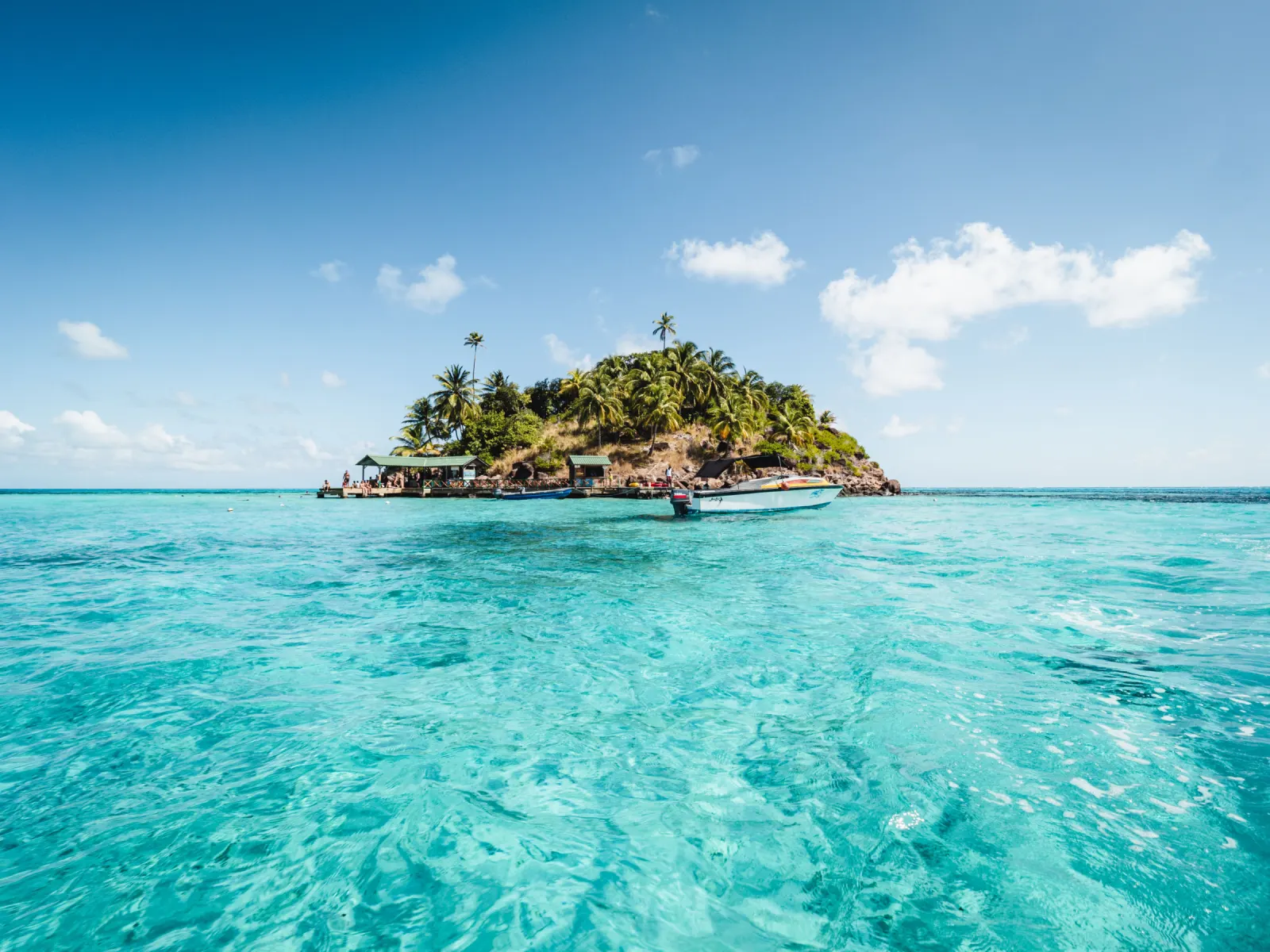
Small tropical island surrounded by turquoise water

San Andrés travel guide

What to see, where to stay and the best time to visit San Andrés, Colombia.

Best: Jan, Feb, Mar, Apr

Photo: Fabian Wiktor / Pexels

Country
Colombia
Currency
COP

About San Andrés

San Andrés is a small Caribbean island of Colombia, known for beaches and clear water for snorkelling and diving. It's a compact beach destination: you can circle the whole island and still have time for cays like Johnny Cay and Haynes Cay. Quieter spots such as San Luis and Sound Bay suit couples and divers who want less crowded sand. The best months to visit are January, February, March and April, when conditions are most favourable for a beach and water trip.

How many days do you need in San Andrés?

The island is small, so a few days cover the main beaches, cays and viewpoints like West View and Rocky Cay, with time left for diving or just relaxing by the water.

Top attractions in San Andrés

  1. 1Johnny Cay

    Half a day

    Off North End

    A small coral islet with white sand and palm trees, a short boat ride from the main town. Most visitors come to swim, eat fried fish and listen to reggae at the beach bars. The sea on the far side can be rough, so check where it is safe to swim.

  2. 2Haynes Cay and El Acuario

    Half a day

    Off the east coast

    Two neighbouring cays surrounded by shallow, clear water where you can wade between them. People go to snorkel among fish and often see stingrays near Haynes Cay. It is usually combined with Johnny Cay on boat tours.

  3. 3Spratt Bight Beach

    1–3 hours

    North End

    The main town beach, with soft sand and calm, turquoise water next to the seafront walkway. It is easy to reach from most hotels and works well for a swim, a sunset walk or a drink. It gets crowded and busy with vendors.

  4. 4West View

    1–2 hours

    West coast

    A natural pool in the coral cliffs with ladders, a diving board and a water slide into deep, clear water. The snorkelling is good straight from the rocks and fish gather close to the platform. There is no sandy beach here.

  5. 5Hoyo Soplador (Blowing Hole)

    Under 1 hour

    South End

    A hole in the coral rock where waves push water and air up in a spray. How strong it is depends on the wind and the sea, so on calm days it can be weak. Most people stop here while driving or cycling around the island.

  6. 6Rocky Cay

    2–3 hours

    San Luis

    A small cay off the east coast that you can walk to through shallow water from the beach. Near it lies a rusting shipwreck that snorkellers like to explore. The water is calmer and quieter here than in town.

  7. 7San Luis Beaches

    Half a day

    San Luis

    A stretch of beaches on the east coast with a more relaxed feel than North End. This is a good area to see traditional wooden Raizal houses and eat local food. The sea can be choppy when the wind is strong.

  8. 8First Baptist Church

    Under 1 hour

    La Loma

    A historic wooden church on the hill in La Loma, the centre of Raizal culture on the island. It shows the Afro-Caribbean, English-speaking heritage of San Andrés. From the hill there are wide views over the sea.

  9. 9Big Pond (La Laguna)

    Under 1 hour

    La Loma

    A freshwater lagoon in the island's interior surrounded by tropical plants. Visitors come to see turtles, birds and the caimans that live in the water. It gives a different view of the island away from the beaches.

  10. 10Morgan's Cave (Cueva de Morgan)

    1–2 hours

    West coast

    A sea cave linked to legends about the pirate Henry Morgan hiding treasure on the island. The site includes small displays on pirate history and local culture. It is more of a themed stop than a natural highlight, but it is easy to add to a trip round the island.

San Andrés by month

Average weather and our month score, from 10 years of climate data.

Weather by month and month scores for San Andrés
Month High / low Rain days Sunshine Sea temp Score
Best month: January 27°C / 26°C 18 days (68 mm) 10.8 h/day 28°C 8.0/10
Best month: February 27°C / 26°C 13 days (36 mm) 11.0 h/day 28°C 8.2/10
Best month: March 27°C / 26°C 11 days (27 mm) 11.3 h/day 28°C 8.6/10
Best month: April 28°C / 26°C 9 days (29 mm) 11.6 h/day 28°C 8.9/10
May 28°C / 27°C 19 days (134 mm) 10.8 h/day 29°C 7.0/10
June 28°C / 27°C 25 days (234 mm) 9.8 h/day 29°C 7.0/10
July 28°C / 27°C 25 days (214 mm) 10.5 h/day 29°C 7.0/10
August 29°C / 27°C 23 days (178 mm) 10.6 h/day 29°C 7.0/10
September 29°C / 27°C 24 days (206 mm) 10.1 h/day 30°C 7.0/10
October 29°C / 27°C 27 days (275 mm) 9.7 h/day 30°C 7.0/10
November 28°C / 26°C 26 days (284 mm) 9.3 h/day 30°C 7.0/10
December 28°C / 26°C 22 days (156 mm) 10.2 h/day 29°C 8.0/10
  1. Jan

    High near 27.2°C with 17.5 rain days. Score 8, one of the best months, with steady sun hours around 10.8 a day.

  2. Feb

    Drier month with 26.9°C highs and 13.3 rain days. Score 8.2, rated best, with 11 hours of sun on average.

  3. Mar

    One of the driest months: 27°C highs, only 10.8 rain days. Score 8.6, best, with 11.3 sun hours.

  4. Apr

    Top-scoring month at 8.9. Highs of 27.6°C, just 8.5 rain days, and 11.6 sun hours make this the driest stretch.

  5. May

    Rain returns hard: 19.1 rain days and 134mm, as highs reach 28.1°C. Score drops to 7, still good.

  6. Jun

    Wettest conditions so far with 25 rain days and 234mm of rain, though highs stay warm at 28.3°C. Score 7, good.

  7. Jul

    Rain days stay high at 24.8 with 214mm, sea temp 28.8°C. Score 7, good, despite the frequent showers.

  8. Aug

    Highs peak at 28.5°C with 23.4 rain days and 178mm of rain. Score 7, good, with sea temp at 29.3°C.

  9. Sep

    Highs of 28.8°C and 24 rain days bringing 206mm. Score 7, good, with the warmest sea temp yet at 29.9°C.

  10. Oct

    One of the wettest months: 26.6 rain days and 275mm of rain, with sun hours dropping to 9.7. Score 7, good.

  11. Nov

    Heaviest rain of the year: 284mm over 26.1 rain days, and the lowest sun hours at 9.3. Score 7, good.

  12. Dec

    Rain eases to 22 days and 156mm as highs sit at 27.9°C. Score 8, rated best, closing the year on a calmer note.

Climate averages 2015–2024 · Best time to visit Colombia →

Where to stay in San Andrés

The best areas to base yourself and who each one suits.

San Luis

Good for couples, beach lovers, quiet

San Luis runs along the east coast, with calmer beaches, clear water and traditional wooden Raizal houses. It feels more relaxed than El Centro and suits travellers who want to swim and snorkel near their room. You will need taxis, buses or a rented golf cart to reach the main restaurants and nightlife in town.

Rocky Cay

Good for families, snorkellers

This stretch at the southern end of San Luis has shallow water where you can wade out to a small cay and a shipwreck. It is good for children and easy snorkelling. Food and shopping choices nearby are limited, so most evenings mean a ride into town.

Sound Bay

Good for divers, peace and quiet

Sound Bay, on the southeast coast, is a quiet area with small hotels and access to reef dive sites. It offers space and calm away from the busy north. The trade-off is distance from town and fewer restaurants and shops within walking range.

South End

Good for independent travellers, nature

The island's far south, around Punta Sur, has rocky shores, the Hoyo Soplador blowhole and a very local, low-key feel. It suits travellers with a golf cart or scooter who like exploring at their own pace. Sandy swimming beaches are few here, and it is the farthest area from El Centro and the airport.

Getting to and around San Andrés

From the airport
The fact pack doesn't give specific transfer times or prices for San Andrés airport. Visitors usually take a taxi or a short transfer van to reach the centre, since the island is small and the main hotel strip is close to the airport.
Public transport
San Andrés has little public transport in the usual sense. There's no metro or tram. Visitors mostly get around by taxi, rented golf cart, scooter, or local minibus. A practical tip: agree on a taxi fare before you get in, since the fact pack gives no fixed rates to check against.
On foot
The North End, where Spratt Bight Beach sits, is walkable and close to shops and restaurants. Other sights like Johnny Cay, West View, and the San Luis beaches are spread around the island's coast, so you'll need transport to reach them.

Typical journey times and fares from the airport and other cities.

Route By Time Price
Bogotá → San Andrés Avianca, LATAM and JetSMART fly direct. The 130 minutes is time in the air only (about 2h09–2h15), not door-to-door. I found no reliable one-way fare in COP. Google Flights showed COP 479,100 for the cheapest direct return trip (JetSMART). flight 2 h 10 min – ↗

Food to try in San Andrés

Rondón

This is a seafood stew cooked slowly in coconut milk with fish, conch, yam and dumplings. Locals serve it at family gatherings and in seafront restaurants around the island.

Coconut rice

Rice cooked in coconut milk, often with raisins, is a staple side dish on the island. It appears alongside fish or crab at most local lunch spots.

Black crab

Black land crab is caught on the island and cooked in stews or served fried. It is especially popular during the crab migration season when the animals cross roads to reach the sea.

Cangrejo al coco

Crab meat cooked in a coconut and spice sauce is a signature island dish. Families and restaurants near the beach prepare it for both lunch and dinner.

Fresh fried fish

Whole fried fish, often red snapper, is sold at beachside stalls and casual restaurants. It is typically paired with rice, patacones and a simple salad.

More of Colombia

Colombia travel guide →

San Andrés: frequently asked questions

Is San Andrés good in August?

Yes, but it's rainier. August scores 7 out of 10 and counts as a good month. Expect rain on about 23 days, with 178 mm falling, and a high of 28.5°C. Sea temperature stays warm at 29.3°C, so swimming is still pleasant even if afternoon showers interrupt beach time.

When is the best time to visit San Andrés?

January to April is the best stretch, each scoring between 8 and 8.9 out of 10. This period has the fewest rain days, from 8.5 in April to 17.5 in January, and sunshine hours peak at 11.6 in April. Highs sit around 27–28°C, and the sea is consistently warm, so beach days are more reliable.

How many days do I need in San Andrés?

Three to four days cover the main sights. The island has ten key attractions, most needing half a day or less, like Johnny Cay, Spratt Bight Beach and Rocky Cay. A few, such as Hoyo Soplador and Morgan's Cave, take under an hour, so you can combine several in one day.

Does it rain a lot in San Andrés?

Yes, especially from May to November. Rain days climb from 19 in May to a peak of 26.6 in October, with October also bringing 275 mm of rain, the highest monthly total. From January to April, rain drops sharply, down to just 8.5 days in April, making the dry season noticeably different.

Is the sea warm enough to swim in San Andrés year-round?

Yes, sea temperatures stay between 27.5°C and 30.2°C all year. The coolest reading is 27.5°C in February and the warmest is 30.2°C in October. Even during the rainier months from June to November, the water stays above 28.8°C, so swimming conditions remain comfortable regardless of season.