Skip to content
wheretotravel.info
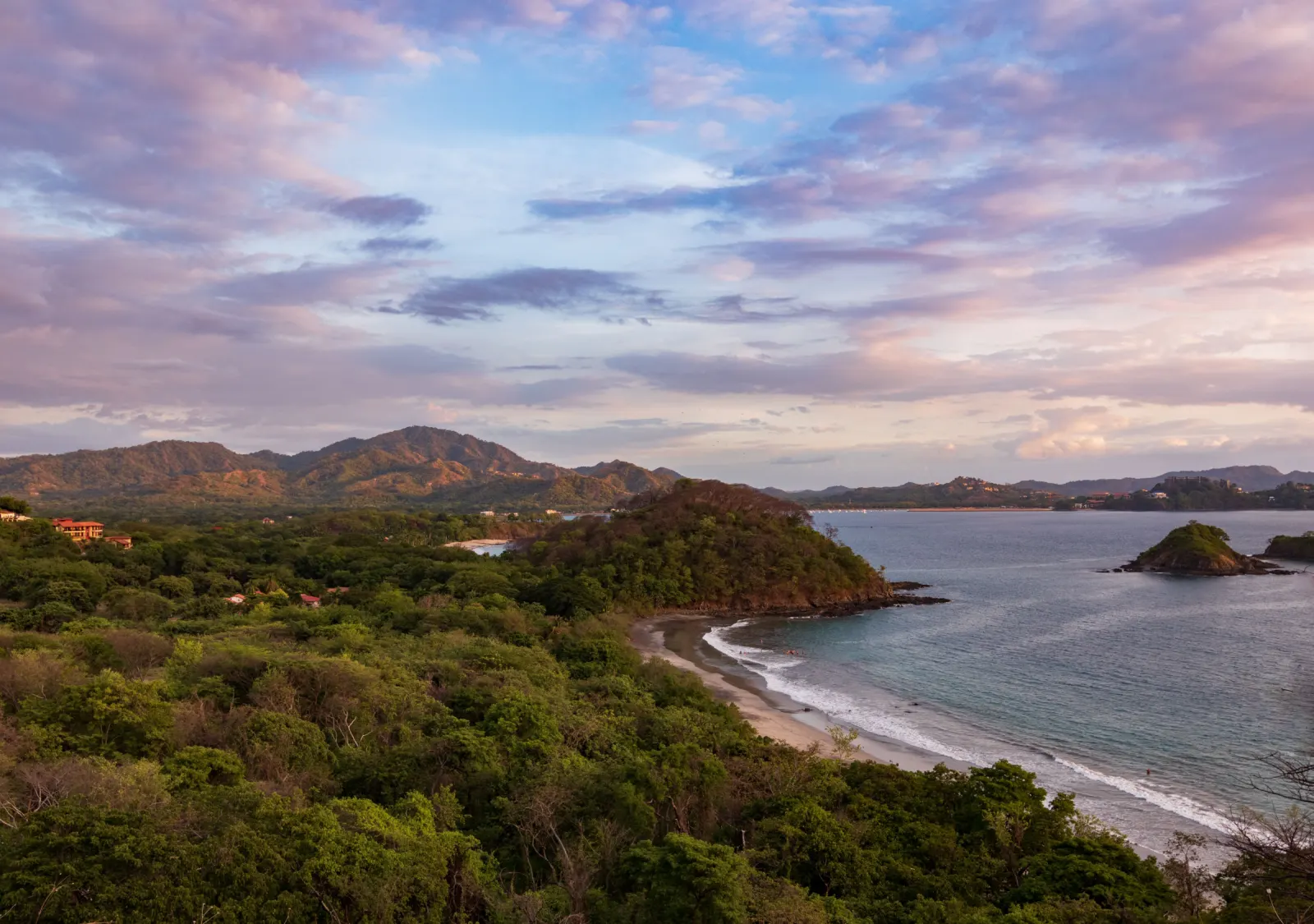
Coastal bay with hills and beach at dusk

Costa Rica travel guide

A compact Central American country, with February the best month to go

Best: Feb

Photo: Jean Paul Montanaro / Pexels

Capital
San José
Language
Spanish
Currency
Costa Rican colón
Time zone
UTC-06:00
Plugs
Type A, B · 120 V
Driving
On the right
Emergency
112 / 911

Why visit Costa Rica

Costa Rica is a small country of 51100 km² in Central America. That makes it a good fit for independent travellers who want to combine the capital, San José, with coastal towns such as Limón and Puntarenas in one trip. Our data points to February as the best month to visit. The honest limitation is that this is a narrow window, so plan and book early. Plugs are types A and B at 120 V, so many visitors will need an adapter.

  • A small country to cover

    Costa Rica covers 51100 km². The capital, San José, has 335007 people and sits inland. Because distances are short, you can base yourself in one place and still see several regions on one trip.

  • Two coastal cities to choose from

    Limón (71514 people) and Puntarenas (41528 people) are both on the coast. They give you a coastal base outside the capital. Pick one based on the part of the country you plan to explore.

  • February is the best month

    Our data points to February as the best month to visit. If your dates are flexible, plan around it. Our data does not rank other months, so check the weather before you book another time.

  • Easy practical setup

    Sockets are type A and B at 120 V, so plugs from the US and Canada usually fit without an adapter. Cars drive on the right. The time zone is UTC-06:00, and the emergency number is 112 or 911.

  • Smaller cities near the capital

    Alajuela (44374 people) and Cartago (22775 people) are inland cities that are much smaller than San José. They suit travellers who want a quieter base. Spanish is the official language, so a few basic phrases will help.

Is Costa Rica right for you?

Great for

  • Travellers who dislike heat: daytime highs stay between 21.4°C and 23.3°C all year
  • February trips, the best month, with 11.4 rain days and 10.7 sun hours a day
  • Late-winter trips in February or March, with only 63 to 66 mm of rain
  • Visitors from North America, since power is 120 V with type A and B plugs
  • Spanish speakers or learners, as Spanish is the language used across the country

Less ideal for

  • Trips from May to November, with 28.6 to 30.2 rain days a month
  • Sun seekers in September and October, with 571 to 587 mm of rain and under 8 sun hours
  • Travellers wanting big-city life, as the capital San José has only 335007 people

Costa Rica right now: October

6.9/10
Avg high
23°C
Avg low
16°C
Rain days
30

Averages for Costa Rica.

Weather by month

February is the best month: the climate data, labelled Costa Rica rather than a single city (2015–2024), shows only 63 mm of rain on 11 days, 11 sun hours and highs of 22°C. Avoid September and October if you want dry days, with 571 mm and 587 mm of rain and rain on about 30 days a month.

Average highs and lows in Costa Rica by month January: high 21°C, low 15°C , 17 rain days . February: high 22°C, low 15°C , 11 rain days . March: high 23°C, low 15°C , 16 rain days . April: high 23°C, low 16°C , 21 rain days . May: high 23°C, low 17°C , 29 rain days . June: high 23°C, low 17°C , 30 rain days . July: high 22°C, low 17°C , 29 rain days . August: high 23°C, low 16°C , 30 rain days . September: high 23°C, low 16°C , 30 rain days . October: high 23°C, low 16°C , 30 rain days . November: high 22°C, low 16°C , 29 rain days . December: high 22°C, low 15°C , 21 rain days . 21°C 15°C JAN 17d 22°C 15°C FEB 11d 23°C 15°C MAR 16d 23°C 16°C APR 21d 23°C 17°C MAY 29d 23°C 17°C JUN 30d 22°C 17°C JUL 29d 23°C 16°C AUG 30d 23°C 16°C SEP 30d 23°C 16°C OCT 30d 22°C 16°C NOV 29d 22°C 15°C DEC 21d
Best months Other months (low–high) Nd = rain days

Costa Rica (country average) · averages 2015–2024

Best time to visit Costa Rica: month-by-month weather →

Sample itineraries

7 days

Capital, highland town and the coast

  1. Day 1–3

    San José

    Start in the capital, the largest city on this list. Get local cash in Costa Rican colón, buy a SIM, and spend time walking the centre while you settle in.

  2. Day 4

    Cartago

    Take a day in this smaller inland city. It is a calmer place to explore on foot after the capital. Return to San José or stay overnight.

  3. Day 5–7

    Puntarenas

    End on the coast with three slower days by the sea. Keep this stop simple and rest before you fly home.

10 days

Inland cities and a coastal finish

  1. Day 1–2

    Alajuela

    Begin in Alajuela, a smaller inland city. It is an easy first base while you adjust. Remember that Spanish is the official language, so a few basic phrases help.

  2. Day 3–4

    San José

    Move to the capital for two days. Explore the centre on foot and use it to sort out practical things like cash and plugs, which are types A and B.

  3. Day 5

    Cartago

    Spend a day in Cartago, a quieter inland city than the capital. It is a good change of pace before you head to the coast.

  4. Day 6–10

    Limón

    Finish with five days in this coastal city. The long stay leaves time to rest by the sea. If you rent a car, note that Costa Rica drives on the right.

Food to try in Costa Rica

Gallo pinto

Rice and black beans fried together with onion, pepper and coriander. It is the classic Costa Rican breakfast, often served with eggs, tortillas and sour cream.

Casado

A set lunch plate of rice, beans, salad, fried plantain and a meat or fish. Look for it in small local restaurants called sodas, where it is a filling everyday meal.

Caribbean rice and beans

Rice and red beans cooked in coconut milk, often with a spicy chicken. It is a typical dish on the Caribbean coast around Limón, especially at weekends.

Chifrijo

A bowl of rice, beans, fried pork, tomato salsa and tortilla chips. It is a popular bar snack, eaten with a cold beer.

Tamales

Corn dough filled with pork or chicken and vegetables, wrapped in banana leaves and boiled. Families make and share them mostly at Christmas.

Café chorreado

Costa Rican coffee made by pouring hot water through a cloth filter on a wooden stand. You can try it at breakfast in sodas and on coffee farm tours.

Know before you go

  • Plugs and voltage: Costa Rica uses plug types A and B, and the voltage is 120 V. Check your chargers and devices before you travel. You may need an adapter or a voltage converter.
  • Driving side: Traffic drives on the right. If you come from a country that drives on the left, take extra care at junctions and when you pull out.
  • Emergency number: For emergencies, call 112 or 911. Save both numbers in your phone before you arrive.
  • Currency: The local currency is the Costa Rican colón. Ask your bank about card fees abroad before you leave home.
  • Language: Spanish is the official language. Learning a few basic phrases will help in shops, on buses and in smaller towns.
  • Time zone: Costa Rica is on UTC-06:00. Check the time difference with home so you can plan calls and flights.
  • Calling code: The country calling code is +506. Use it when you call a Costa Rican number from abroad or save local contacts.

Costa Rica: frequently asked questions

What is the best month to visit Costa Rica?

February is the best month to visit Costa Rica, with our top score of 7.7 out of 10. It is one of the driest months, with 63 mm of rain over about 11 rain days. It is also one of the sunniest, with 10.7 hours of sun a day. Daytime highs reach about 22°C. January and March are also dry, with 102 mm and 66 mm of rain.

Is Costa Rica good in August?

August is fine but wet. It scores 7 out of 10, yet it gets 490 mm of rain and rain on about 30 days. You get about 8 hours of sun a day, compared with 10.7 in February. Highs are about 23°C. Go in August only if rain every day does not bother you. For drier weather, pick February or March.

When is the rainy season in Costa Rica?

The rainy season runs from May to November. In these months rainfall is between 394 mm and 587 mm, with rain on 29 to 30 days a month. October is the wettest month, with 587 mm, and September is close behind with 571 mm. April and December are in between, with 181 mm and 170 mm. February and March are the driest months.

How hot is Costa Rica during the year?

Costa Rica is mild all year, with highs of 21°C to 23°C. Night lows are between 15°C and 17°C. April is the warmest month, with highs of 23.3°C, and January is the coolest, with highs of 21.4°C. Bring a light layer for the evenings. These figures are one set of averages for the whole country. They are not figures for a single coast or city.

What plugs and voltage does Costa Rica use?

Costa Rica uses plug types A and B, and the voltage is 120 V. These are the same flat-pin plugs used in North America. If your devices use a different plug or only work at a higher voltage, bring an adapter. You may also need a converter.

What currency and emergency number does Costa Rica use?

The currency is the Costa Rican colón, and the emergency number is 112 or 911. Spanish is the official language. Cars drive on the right, and the country is on UTC-06:00. The calling code is +506, and the capital is San José.

Similar destinations

Countries with a year of weather much like Costa Rica.