Skip to content
wheretotravel.info
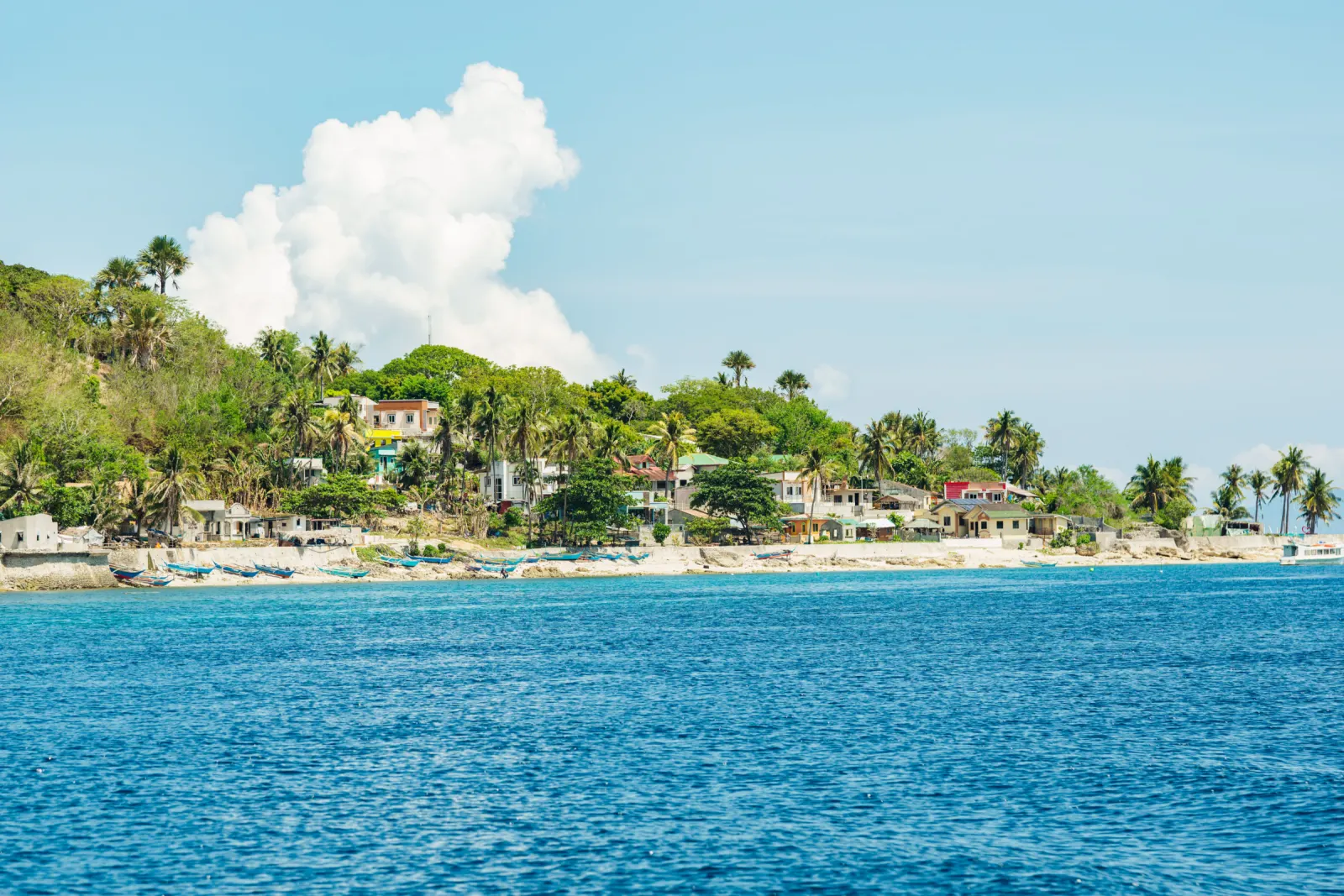
Coastal village with palm trees and boats

Cap-Haïtien travel guide

What to see, where to stay and the best time to visit Cap-Haïtien, Haiti.

Best: Jan, Feb, Mar

Photo: Nothing Ahead / Pexels

Country
Haiti

About Cap-Haïtien

Cap-Haïtien sits on Haiti's north coast, with a historic centre, a seafront boulevard, and beaches like Cormier and Labadie nearby. The big draw is the Citadelle Laferrière above Milot, paired with the ruins of Sans-Souci Palace. The historic centre has colonial-era streets, a cathedral, and the Vertières Monument tied to Haiti's independence history. The best months to visit are January, February, and March, when conditions are more favourable for exploring the city and the hilltop fortress.

How many days do you need in Cap-Haïtien?

There's no fixed number of days set for Cap-Haïtien, but the mix of sights, from the Citadelle and Sans-Souci to the historic centre, Fort Picolet, and nearby beaches, suggests planning enough time to see both the hill sites and the coast without rushing.

Top attractions in Cap-Haïtien

  1. 1Citadelle Laferrière

    half a day

    Milot

    A huge mountaintop fortress built by King Henri Christophe after Haiti won its independence. It is part of the National History Park, a UNESCO World Heritage Site. You reach it on foot or on horseback up a steep path, and the views over the north of Haiti are wide on a clear day.

  2. 2Sans-Souci Palace

    1–2 hours

    Milot

    The ruins of Henri Christophe's royal palace sit at the foot of the climb to the Citadelle. It belongs to the same UNESCO site. Most visitors see it on the same trip as the fortress.

  3. 3Historic Centre (Vieux Cap)

    2–3 hours

    Centre-ville

    The old town has a regular street grid lined with colonial-style houses with wooden balconies and painted fronts. Walking these streets is the best way to get a feel for the city's long history as a colonial capital.

  4. 4Cathédrale Notre-Dame de l'Assomption

    30 minutes–1 hour

    Centre-ville

    The city's main cathedral faces the central square, Place d'Armes. Its white facade is a city landmark, and the square around it is a good place to watch daily life.

  5. 5Vertières Monument

    1 hour

    Vertières

    A memorial on the site of the Battle of Vertières, the last major battle of the Haitian Revolution. It matters a great deal to Haitians and helps explain the country's story.

  6. 6Fort Picolet

    1–2 hours

    Northern headland

    The ruins of a colonial fort that once guarded the entrance to the bay. The walls and old cannons sit right by the sea, with views back toward the city.

  7. 7Cormier Beach

    half a day

    Coast road west of the city

    A sandy beach with calm water along the coast road west of Cap-Haïtien. It is a common choice for a swim and a seafood meal away from the city streets.

  8. 8Labadie

    half a day

    Labadie

    A small fishing village on the coast west of the city, reached by road and short boat ride. Nearby beaches and coves are good for swimming. The neighbouring Labadee peninsula is leased to a cruise line and is not open to independent visitors.

  9. 9Le Boulevard (Waterfront)

    1 hour

    Seafront

    The seafront road along the bay is where locals come for an evening walk. It is a relaxed place to see the harbour and catch the sea breeze at the end of the day.

Cap-Haïtien by month

Average weather and our month score, from 10 years of climate data.

Weather by month and month scores for Cap-Haïtien
Month High / low Rain days Sunshine Sea temp Score
Best month: January 28°C / 21°C 13 days (74 mm) 9.9 h/day 27°C 8.3/10
Best month: February 28°C / 21°C 13 days (64 mm) 10.8 h/day 27°C 8.3/10
Best month: March 28°C / 22°C 13 days (80 mm) 11.3 h/day 28°C 8.3/10
April 29°C / 22°C 16 days (85 mm) 11.5 h/day 28°C 7.0/10
May 30°C / 24°C 20 days (117 mm) 11.2 h/day 29°C 7.0/10
June 31°C / 25°C 15 days (68 mm) 11.6 h/day 30°C 7.0/10
July 31°C / 25°C 14 days (60 mm) 11.5 h/day 30°C 7.2/10
August 31°C / 25°C 17 days (84 mm) 11.2 h/day 30°C 7.0/10
September 31°C / 25°C 20 days (109 mm) 10.7 h/day 31°C 7.0/10
October 31°C / 24°C 24 days (126 mm) 10.2 h/day 31°C 7.0/10
November 29°C / 23°C 22 days (143 mm) 10.1 h/day 29°C 7.0/10
December 28°C / 22°C 15 days (93 mm) 10.1 h/day 28°C 7.1/10
  1. Jan

    Highs reach 27.7°C with about 13 rain days and sea at 27.2°C. Scores rate this a best month, with dry air and strong sun at 9.9 hours a day.

  2. Feb

    Similar to January: 27.7°C highs, 12.8 rain days, and the most sun of the year at 10.8 hours. Rated a best month.

  3. Mar

    Highs climb to 28°C with 13 rain days and sea temperature up to 27.5°C. Still a best-rated month with 11.3 hours of sun.

  4. Apr

    Warmer at 29°C, rain days rise to 15.6 and rainfall hits 85mm. Score drops to good as the wetter season starts.

  5. May

    One of the wettest months: 20.2 rain days and 117mm of rain, though highs reach 30°C. Rated good, but expect frequent showers.

  6. Jun

    Hot at 31.2°C with sea temperature up to 30°C. Rain days ease to 15.2, keeping the good rating.

  7. Jul

    Among the driest mid-year months with 13.5 rain days and 60mm rain, highs at 31.3°C. The best-scoring month outside the January-March stretch.

  8. Aug

    Hot and humid at 31.3°C with rain days back up to 17.4 and 84mm of rain. Rated good despite the heat.

  9. Sep

    Wet again: 20.4 rain days and 109mm rainfall, with highs of 31.3°C and sea at a yearly peak of 31°C. Still rated good.

  10. Oct

    The wettest month: 23.6 rain days and 126mm of rain, with highs easing to 30.6°C. Tough weather for outdoor plans, but still rated good.

  11. Nov

    Rainfall peaks at 143mm over 21.6 days, though highs fall to 29°C. Expect frequent wet spells despite the good score.

  12. Dec

    Rain days drop to 14.6 and highs cool to 28.1°C, with sea temperature at 28.1°C. A good-rated month as drier conditions return.

Climate averages 2015–2024 · Best time to visit Haiti →

Where to stay in Cap-Haïtien

The best areas to base yourself and who each one suits.

Centre-Ville

Good for first-timers, history, walking

The old colonial grid of numbered and lettered streets, with the cathedral, the main square and many painted houses with balconies. You can walk to restaurants, markets and the waterfront, and it is the easiest base for arranging trips to the Citadelle. Streets can be noisy, crowded and hot by day, and power cuts and traffic are common.

Boulevard du Cap

Good for sea views, evening strolls

The seafront road along the bay, on the eastern edge of the centre, with open views over the water and a promenade that fills up in the evening. It is close to the old town but feels more open and breezy. Traffic along the road can be loud, and some stretches are busy late at night.

Carénage

Good for quieter stays, couples

An older residential district at the northern end of the city, near the bay and the road out towards the coastal forts. It is calmer than the centre and has some guesthouses with a more relaxed feel. You will need a taxi or moto-taxi for most trips into town, and some streets are steep.

Cormier

Good for beach time, families

A beach area west of the city along the coast road towards Labadie, with calm water and green hills behind. It suits travellers who want to swim and rest rather than explore the city. The road from town is narrow, winding and slow, so trips into Cap-Haïtien take planning.

Labadie

Good for remote beaches, slow travel

A small fishing village at the far end of the coast road, reached by road or by water taxi, with beaches and coves nearby. It feels far from city noise and is a good base for swimming and boat trips. It is the most isolated option, with few shops or services, and getting back to town is slow.

Getting to and around Cap-Haïtien

From the airport
No fixed route data is available for Cap-Haïtien airport. Visitors usually take a taxi or arrange a hotel transfer to reach the centre, since there's no public bus link from the airport.
Public transport
Cap-Haïtien has no metro or tram, and formal public buses are limited. Most visitors get around by taxi, motorcycle taxi, or shared tap-tap vans; agree on a fare before you get in, since none are metered.
On foot
Centre-Ville is compact and walkable, with the Historic Centre, the Cathédrale, and Le Boulevard all within a short stroll of each other along the seafront.

Food to try in Cap-Haïtien

Griot

This is fried pork, usually marinated in citrus and spices before cooking. It's a staple at lunch and dinner across Cap-Haïtien, often served with fried plantains and pikliz.

Pikliz

A spicy pickled slaw of cabbage, carrots and hot peppers. Locals spoon it over griot or fried fish as a sharp, vinegary side.

Tassot

Small pieces of beef or goat, fried until crisp. It's a common street-food and home-cooking dish, often paired with rice and beans.

Lambi

Conch meat, usually stewed or grilled with garlic and peppers. Being a coastal city, Cap-Haïtien has easy access to fresh conch and seafood, making this a popular catch-of-the-day dish.

Diri ak djon djon

Rice cooked with small black Haitian mushrooms, giving it a dark color and earthy flavor. It's often served on special occasions or Sunday family meals.

Akra

Fritters made from grated malanga (a root vegetable), fried until golden. They're a common snack sold by street vendors in the city.

More of Haiti

Haiti travel guide →

Cap-Haïtien: frequently asked questions

Is Cap-Haïtien good to visit in August?

Yes, but it's hot and fairly wet. August highs reach 31.3°C with lows near 25°C, and rain falls on about 17 days with 84mm total. The score for August is 7 out of 10, rated "good" rather than "best," so it's a fine time to go if you don't mind warmer, wetter days.

When is the best time to visit Cap-Haïtien?

January, February, and March are the best months, each scoring 8.3 out of 10. Highs sit between 27.7°C and 28°C, lows around 21°C, and rain falls on 13 days or fewer. These three months offer the driest, mildest combination of the year.

How many days do I need in Cap-Haïtien?

Two to three days cover the main sights. The Historic Centre takes 2-3 hours, the Citadelle Laferrière and Sans-Souci Palace in Milot need half a day combined, and beach time at Cormier Beach or Labadie takes another half day each. Add a day if you want to see Fort Picolet and the Vertières Monument too.

Is the sea warm enough for swimming in Cap-Haïtien?

Yes, year-round. Sea temperature stays between 26.8°C in February and 31°C in September, so swimming conditions are warm every month. There's no cold-water season to plan around on this coast.

What is the weather like in Cap-Haïtien in October?

October is the wettest month, with rain on about 24 days and 126mm of rainfall. Highs still reach 30.6°C and sea temperature is 30.8°C, so it's warm but the frequent rain is the trade-off. The month still scores 7 out of 10, rated "good."