Skip to content
wheretotravel.info
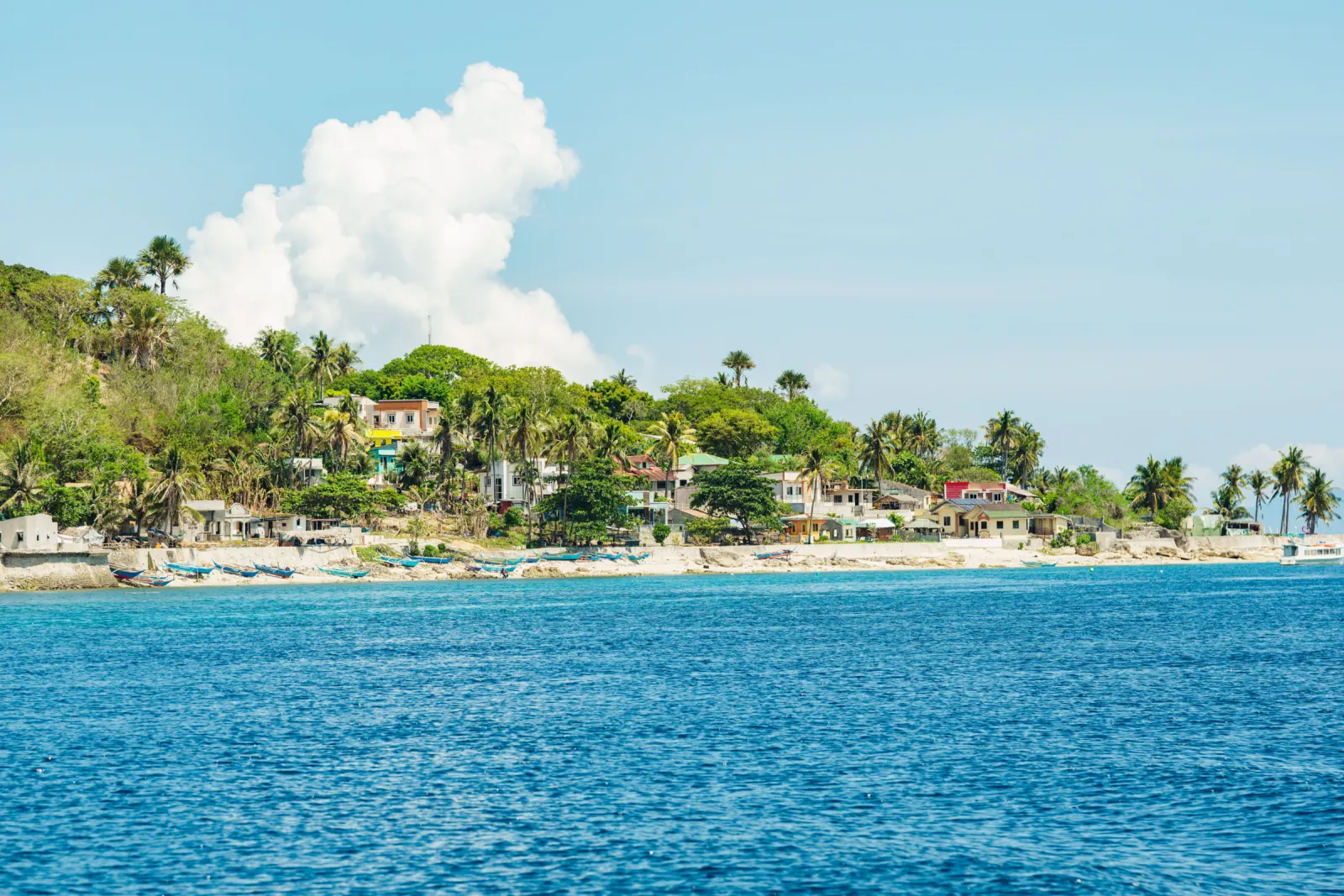
Coastal village with palm trees and boats from sea

Les Cayes travel guide

What to see, where to stay and the best time to visit Les Cayes, Haiti.

Best: Jan, Feb, Dec

Photo: Nothing Ahead / Pexels

Country
Haiti

About Les Cayes

Les Cayes is a coastal city in Haiti with a population of 151,696. It works as a base for both sea and mountains. Centre-Ville suits first-timers and practical needs. Gelée, on the eastern edge of town, has a beach. Boats leave from Bord de Mer for Île-à-Vache, an island just offshore. Inland, you can reach Saut-Mathurine Waterfall in Camp-Perrin and Pic Macaya National Park. The best months to go are December, January and February.

How many days do you need in Les Cayes?

There is no set figure, so let the sights shape your stay. Fort de l'Îlet and Gelée Beach take a few hours each. Add 1–2 days for Île-à-Vache, and 2–4 days for Pic Macaya National Park.

Top attractions in Les Cayes

  1. 1Île-à-Vache

    1–2 days

    Offshore, south of Les Cayes

    A quiet island reached by boat from the Les Cayes waterfront, with no cars, sandy coves and fishing villages. Visitors come for Abaka Bay beach, mangroves and slow days by the sea.

  2. 2Gelée Beach (Plage de Gelée)

    2–3 hours

    Gelée, eastern edge of Les Cayes

    The town's own beach, lined with simple stalls that grill fresh fish and lobster. It is a local gathering place, busiest at weekends and during the yearly patron saint festival.

  3. 3Saut-Mathurine Waterfall

    Half a day

    Camp-Perrin

    A wide waterfall in the hills north of Les Cayes, with pools where visitors swim. The drive up passes farms and small villages in the foothills.

  4. 4Pic Macaya National Park

    2–4 days

    Massif de la Hotte

    A protected mountain area of cloud forest with rare plants, birds and frogs. Trekking to the summit needs a local guide, good fitness and camping gear, and trails are muddy after rain.

  5. 5Fort de l'Îlet (Fort Islet)

    1–2 hours

    Bay of Les Cayes

    The ruins of a colonial fort on a small islet in the bay, reached by boat. It gives a view back over the town and a sense of the area's French colonial past.

  6. 6Fort des Oliviers and Fort des Anglais

    2–3 hours

    Saint-Louis-du-Sud

    Two colonial-era fort ruins on islets and the shore of Saint-Louis Bay, east of Les Cayes. A boat trip out to them combines history with time on the water.

  7. 7Grotte Marie-Jeanne

    Half a day plus travel

    Port-à-Piment

    A large cave system with several chambers, explored with local guides who provide lights. It sits further west along the coast, so it works best combined with a stay in Port-Salut.

Les Cayes by month

Average weather and our month score, from 10 years of climate data.

Weather by month and month scores for Les Cayes
Month High / low Rain days Sunshine Sea temp Score
Best month: January 29°C / 22°C 7 days (28 mm) 10.3 h/day 28°C 8.0/10
Best month: February 29°C / 22°C 10 days (35 mm) 11.1 h/day 28°C 7.6/10
March 29°C / 22°C 14 days (43 mm) 11.7 h/day 28°C 7.1/10
April 29°C / 23°C 18 days (80 mm) 11.6 h/day 29°C 7.0/10
May 30°C / 24°C 19 days (118 mm) 11.1 h/day 29°C 7.0/10
June 31°C / 25°C 15 days (67 mm) 11.5 h/day 30°C 7.0/10
July 31°C / 25°C 13 days (67 mm) 11.5 h/day 30°C 7.2/10
August 32°C / 25°C 15 days (103 mm) 11.3 h/day 31°C 7.0/10
September 31°C / 25°C 14 days (86 mm) 10.9 h/day 31°C 7.1/10
October 30°C / 24°C 19 days (172 mm) 10.0 h/day 31°C 7.0/10
November 29°C / 23°C 13 days (108 mm) 9.9 h/day 30°C 7.3/10
Best month: December 29°C / 23°C 8 days (35 mm) 10.3 h/day 29°C 8.0/10
  1. Jan

    Highs near 29°C, about 7 rain days and only 28 mm of rain. A best month, scoring 8, with the sea at 28°C.

  2. Feb

    Highs of 28.5°C and about 10 rain days, but only 35 mm of rain. Still a best month, scoring 7.6.

  3. Mar

    Highs of 29°C and rain on about 14 days, though totals stay low at 43 mm. A good month, scoring 7.1.

  4. Apr

    Highs of 29.3°C and 18 rain days as wetter weather builds to 80 mm. Still good, scoring 7, with 11.6 sun hours a day.

  5. May

    A wet month: 18.5 rain days and 118 mm, so expect frequent showers. Highs near 30°C. Rated good, scoring 7, with the sea at 29.4°C.

  6. Jun

    Highs of 30.5°C, about 15 rain days and 67 mm of rain. The sea is warm at 29.8°C. A good month, scoring 7.

  7. Jul

    Hot, with highs of 31.3°C and lows of 25°C. About 13 rain days and 67 mm of rain. Good, scoring 7.2.

  8. Aug

    The hottest month: highs of 31.5°C, nights near 25°C and 103 mm of rain over 15 days. Tiring heat for some, but rated good at 7.

  9. Sep

    Highs of 31.3°C and the warmest sea of the year, at 31°C. About 14 rain days and 86 mm of rain. Good, scoring 7.1.

  10. Oct

    The wettest month: 172 mm over 19 rain days, so downpours are common and sun drops to 10 hours. Highs of 30°C. Rated good, scoring 7.

  11. Nov

    Rain eases to about 13 days, though totals stay high at 108 mm. Highs of 29.3°C and the sea near 30°C. Good, scoring 7.3.

  12. Dec

    Drier again, with about 8 rain days and 35 mm of rain. Highs of 29°C. A best month, scoring 8, with the sea at 29.2°C.

Climate averages 2015–2024 · Best time to visit Haiti →

Where to stay in Les Cayes

The best areas to base yourself and who each one suits.

Centre-Ville

Good for first-timers, short stays, practical needs

The town centre has the main market, banks, shops and transport links, so it is the easiest base for getting things done. Streets are compact and walkable in daylight. Traffic, motorbike noise and crowds around the market start early and run late.

Gelée

Good for beach lovers, families, relaxed stays

This beach area sits just outside the town centre and is where locals go to swim, eat fresh fish and spend weekends by the sea. It feels calmer and more open than downtown. You will need a taxi or moto to reach the centre, and it gets busy and loud on weekends and holidays.

Bord de Mer

Good for boat trips, Île-à-Vache day trips

The waterfront and port area is where boats leave for Île-à-Vache and nearby coast, so it is handy for early departures. It gives a real view of the town's working harbour life. It can feel rough around the edges, with little to do in the evening, so many people use it as a quick stop rather than a long base.

Île-à-Vache

Good for couples, quiet, nature

This offshore island across the bay has small villages, beaches and almost no cars, so it is the quietest choice in the Les Cayes area. It suits travellers who want a slow pace and sea views. Getting there depends on boats and weather, and services such as shops, power and medical care are limited.

Getting to and around Les Cayes

From the airport
No airport transfer details are available here. Most visitors reach Les Cayes by road or on a small domestic flight. From the airstrip, the usual options are a taxi, a moto-taxi or a hotel pickup arranged in advance.
Public transport
There is little formal public transport. Locals use tap-taps (shared pickups), minibuses and moto-taxis, and boats leave from Bord de Mer for Île-à-Vache. Tip: agree the fare before you get on, as there are no meters.
On foot
Centre-Ville is compact and walkable, with Bord de Mer's waterfront close by. Gelée Beach sits on the eastern edge, so take a moto-taxi. Fort de l'Îlet needs a boat.

Food to try in Les Cayes

Lambi (conch)

Conch meat is stewed in a spicy Creole tomato sauce or grilled. Coastal towns like Les Cayes serve it often, and many locals see it as a dish for special meals.

Pwason fri

A whole fish is seasoned with lime and spices, then fried until crisp. It usually comes with fried plantain and pikliz, a sharp pickled cabbage and chilli relish.

Griot

Pork chunks are marinated in sour orange, boiled, then fried. Haitians eat griot at family gatherings and parties, and it is also sold at street stalls with plantain and pikliz.

Soup joumou

A rich pumpkin soup with beef, vegetables and pasta. Haitians eat it on Independence Day to mark the end of slavery, and some families also make it on Sunday mornings.

Diri kole ak pwa

Rice cooked together with red or black beans. This is the everyday base of a Haitian lunch, served at home and in small local eateries with meat, fish or a sauce.

Akra

Crisp fritters made from grated malanga root mixed with herbs and chilli. Street vendors fry them, and people eat them as a snack or with drinks.

More of Haiti

Haiti travel guide →

Les Cayes: frequently asked questions

When is the best time to visit Les Cayes?

December, January and February are the best months to visit Les Cayes. They are the driest months, with 7.4 to 10.4 rain days and 28 to 35 mm of rain. Highs stay between 28.5 and 29.1°C, and the sea is warm at 27.9 to 29.2°C. January and December score 8 out of 10, and February scores 7.6.

Is Les Cayes good in October?

October still rates as a good month, with a score of 7, but it is the wettest month of the year. Expect about 19 rain days and 172 mm of rain. Showers are common, but it stays warm, with highs of 30°C and a sea temperature of 30.9°C. The sun shines for about 10 hours a day.

Is Les Cayes good in August?

Yes, August is a good month for warm-weather travellers, with a score of 7. It is the hottest month: highs reach 31.5°C and nights stay at 25.3°C. Rain is moderate, with about 15.2 rain days and 103 mm. The sea is very warm at 30.5°C, and there are about 11.3 hours of sun a day.

Is the sea warm enough to swim in Les Cayes all year?

Yes, the sea is warm all year. It is coolest in February at 27.9°C and warmest in September at 31°C. From June to October it stays above 29.8°C. Gelée Beach, on the eastern edge of town, takes 2–3 hours to visit.

How many days do I need in Les Cayes?

Plan for at least 1–2 days, and longer if you want to explore the region. In town, Fort de l'Îlet takes 1–2 hours and Gelée Beach takes 2–3 hours. Saut-Mathurine Waterfall is a half-day trip. Île-à-Vache needs 1–2 days, and hiking in Pic Macaya National Park needs 2–4 days.