Skip to content
wheretotravel.info
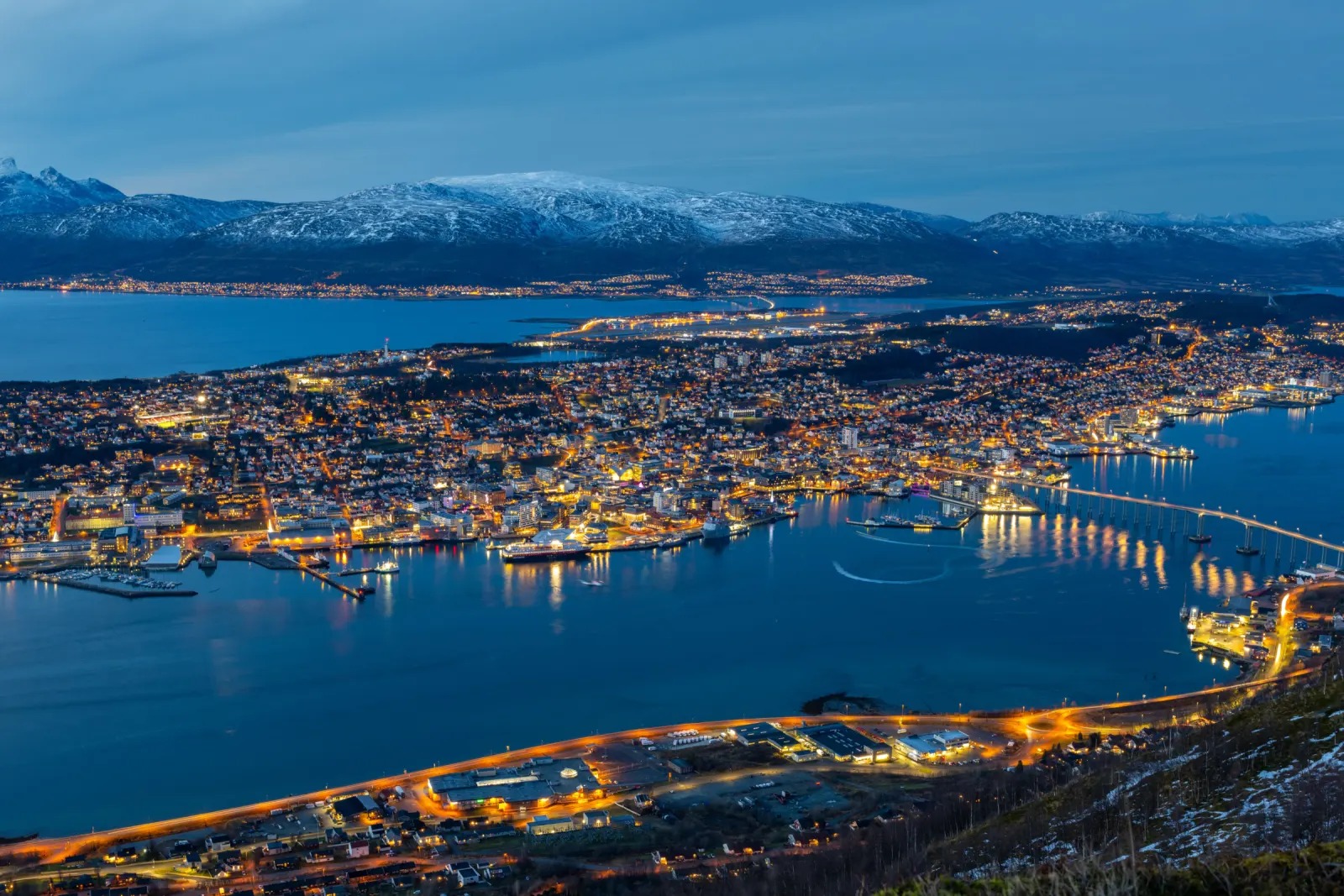
Aerial night view of illuminated coastal city

Bodø travel guide

What to see, where to stay and the best time to visit Bodø, Norway.

Best: Jul, Aug

Photo: Felix Rottmann / Pexels

Country
Norway

About Bodø

Bodø is a small coastal city in northern Norway, best known as the gateway to Saltstraumen, the world's strongest tidal current. Beyond that, you get a compact centre with museums, street art, and a cathedral, plus easy access to the old trading post at Kjerringøy and the viewpoint at Keiservarden. July and August bring the warmest, lightest weather, making them the best months to visit. Outside summer, expect cooler, wetter conditions and shorter days.

How many days do you need in Bodø?

Two to three days are enough to see Bodø's centre, visit Saltstraumen, and fit in one more trip, such as Kjerringøy or Keiservarden.

Top attractions in Bodø

  1. 1Saltstraumen

    2–3 hours

    Saltstraumen

    Saltstraumen is one of the strongest tidal currents in the world. The sea pushes through a narrow strait and forms whirlpools that you can watch from the bridge or the rocks along the shore. Check the tide tables before you go, because the current is strongest at certain times of day.

  2. 2Norwegian Aviation Museum

    2–3 hours

    Bodø centre

    This is Norway's national museum for civil and military aviation, in a large building near the airport. You can see real aircraft, including Cold War jets, and learn how flying connected remote parts of northern Norway.

  3. 3Kjerringøy Old Trading Post

    Half a day

    Kjerringøy

    A well-kept group of wooden buildings from a historic trading post on the coast north of Bodø. It shows how merchants and fishermen lived in the north, and the drive there passes mountains and white beaches.

  4. 4Keiservarden

    2–3 hours

    Bodø

    A popular hike to a viewpoint on the hill above the city. From the top you look out over Bodø, the islands and the sea. In summer many locals walk up in the evening to see the midnight sun.

  5. 5Stormen Concert Hall and Library

    1–2 hours

    Bodø centre

    Stormen is the city's modern cultural centre by the harbour, with a concert hall and a public library. The library is free to enter and has large windows with views of the water and mountains, which makes it a good place to rest on a rainy day.

  6. 6Nordland Museum

    1–2 hours

    Bodø centre

    The regional museum covers the history of Bodø and Nordland, including fishing, trade, Sámi culture and the Second World War. It is a good introduction if you want to understand why the city looks so modern today.

  7. 7Bodø Cathedral

    Under 1 hour

    Bodø centre

    The cathedral was built after the war to replace buildings destroyed in bombing. Its simple modern design, separate bell tower and stained-glass windows make it one of the main landmarks in the city centre.

  8. 8Bodin Church

    Under 1 hour

    Bodin

    A small medieval stone church just outside the city centre and one of the oldest buildings in the area. It survived the wartime destruction of Bodø and gives a sense of the town's much older past.

  9. 9Street art in Bodø

    1–2 hours

    Bodø centre

    Large murals by Norwegian and international artists cover many walls in the city centre, much of it created for the UPNORTH street art festival. Walking between them is an easy, free way to explore the centre.

  10. 10Mjelle Beach

    Half a day

    Mjelle

    A sandy beach with red sand and clear water, reached by a walk through forest and farmland north of the city. The water is cold, but on calm days the views of the sea and mountains draw many hikers and families.
Bodø by month

Average weather and our month score, from 10 years of climate data.

Weather by month and month scores for Bodø
Month High / low Rain days Sunshine Sea temp Score
January -1°C / -6°C 19 days (177 mm) 0.6 h/day 3°C 0.2/10
February 0°C / -5°C 16 days (130 mm) 3.0 h/day 3°C 0.8/10
March 2°C / -4°C 19 days (148 mm) 6.3 h/day 3°C 1.6/10
April 5°C / -1°C 16 days (112 mm) 9.2 h/day 5°C 2.0/10
May 10°C / 3°C 18 days (112 mm) 10.7 h/day 8°C 3.0/10
June 14°C / 8°C 18 days (129 mm) 12.0 h/day 12°C 5.1/10
Best month: July 17°C / 11°C 16 days (122 mm) 11.5 h/day 16°C 6.5/10
Best month: August 16°C / 10°C 19 days (160 mm) 9.4 h/day 16°C 6.2/10
September 13°C / 7°C 18 days (167 mm) 7.0 h/day 13°C 4.2/10
October 7°C / 2°C 19 days (181 mm) 4.2 h/day 9°C 1.1/10
November 2°C / -2°C 18 days (150 mm) 1.3 h/day 6°C 0.3/10
December 0°C / -4°C 19 days (181 mm) 0.0 h/day 5°C 0.0/10
  1. Jan

    Highs sit at -1.4°C with 18.5 rain days and just 0.6 hours of sun daily. Polar night and cold, wet weather give this month a score of 0.2, the lowest of the year.

  2. Feb

    Daytime highs reach -0.3°C and sun returns slowly to 3 hours a day. With 16.2 rain days, conditions stay tough, scoring just 0.8.

  3. Mar

    Highs climb to 1.7°C but rain days peak at 18.7 and nights still drop to -4.1°C. Score of 1.6 reflects a cold, wet transition month.

  4. Apr

    Highs reach 5.2°C with rain days down to 16.3 and 9.2 hours of sun. Still chilly, with a score of 2, as nights can fall below freezing.

  5. May

    Highs of 10°C and 10.7 hours of sun mark real spring, though 17.7 rain days keep the score at 3.

  6. Jun

    Highs of 14.1°C, 12 hours of sun and sea temperature up to 11.6°C make this an ok month, scoring 5.1, with 17.8 rain days still common.

  7. Jul

    The warmest month, with highs of 16.9°C, 11.5 sun hours and only 15.7 rain days, the fewest of the year. Score of 6.5 makes it the best time to visit.

  8. Aug

    Highs stay near 16.4°C with sea temperature at its warmest, 15.9°C, though rain days rise to 19. Still a good month, scoring 6.2.

  9. Sep

    Highs drop to 12.9°C and sun hours fall to 7, with 17.7 rain days. An ok month overall, scoring 4.2 as autumn sets in.

  10. Oct

    Highs fall to 6.6°C with rain days climbing to 19.1 and only 4.2 hours of sun. Cold, wet weather pushes the score down to 1.1.

  11. Nov

    Highs reach just 2.3°C and sun hours drop to 1.3 as polar night approaches. With 17.6 rain days, the score falls to 0.3.

  12. Dec

    Highs of 0.4°C, no measurable sun and 18.8 rain days make this the toughest month, scoring 0, though it suits those chasing polar night and northern lights.

Climate averages 2015–2024 · Best time to visit Norway →

Where to stay in Bodø

The best areas to base yourself and who each one suits.

Hunstad

Good for families, self-caterers, longer stays

A quiet suburb east of the centre with houses, apartments, supermarkets and easy access to walking paths and ski tracks in winter. It feels like everyday Bodø rather than a visitor area. You will need the bus or a car to reach the harbour and most sights.

Mørkved

Good for students, budget travellers, outdoor lovers

Built around the Nord University campus further east, Mørkved has a relaxed, local feel and quick access to the shoreline and forest trails. It is a practical base if you have a car and plan day trips inland or to Saltstraumen. It is well outside the centre, so evenings out mean a bus or taxi ride back.

Saltstraumen

Good for anglers, nature lovers, drivers

A small settlement outside the city beside one of the world's strongest tidal currents, where the water forms swirling whirlpools as the tide changes. Staying here lets you watch the current at different times of day and fish from the shore. You will need a car, as bus links are limited and there are only a few services nearby.

Getting to and around Bodø

From the airport
No route data is given for Bodø's airport. The usual options for getting into the centre are a taxi, a local bus, or walking if your hotel is close by, since the airport sits near the city.
Public transport
The fact pack gives no details on buses or other public transport in Bodø. Treat this as a city with little documented public transport for visitors; check locally for current bus routes before relying on one.
On foot
Bodø centre is compact and easy to explore on foot. The Norwegian Aviation Museum, Stormen Concert Hall and Library, Nordland Museum, Bodø Cathedral, and the city's street art are all within the same central area.

Food to try in Bodø

Skrei (Arctic cod)

This migrating cod arrives in Norwegian coastal waters in winter and is a staple on menus in Bodø during the colder months. Locals and visitors eat it poached or pan-fried with butter sauce.

Bacalao

A tomato-based stew made with salted and dried cod, onions, and potatoes. It reflects Norway's long tradition of preserving fish from coastal towns like Bodø for year-round eating.

Fiskesuppe (fish soup)

A creamy soup made with fresh local fish and shellfish, often served as a warming meal in restaurants along Bodø's harbor, especially during the cooler seasons.

Reindeer meat

Reindeer from nearby Arctic regions appears on menus in Bodø, often served as a roast or in stews. It is a dish tied to the wider Nordland and Sami food traditions of northern Norway.

Rakfisk

Fermented trout or char, a traditional Norwegian specialty that some restaurants in Bodø serve, typically in autumn, paired with flatbread and sour cream.

King crab

Caught in the cold waters off northern Norway, king crab is a seasonal treat served in Bodø's seafood restaurants, prized for its sweet, delicate meat.

More of Norway

Norway travel guide →

Bodø: frequently asked questions

Is Bodø good in August?

Yes, August is one of Bodø's two best months, scoring 6.2 out of 10. Daytime highs reach 16.4°C and the sea warms to 15.9°C, good for a swim. There are 19 rain days and 9.4 hours of sun a day on average, so pack a rain jacket but expect decent light.

Is Bodø good in July?

Yes, July is Bodø's top-scoring month at 6.5 out of 10. Highs average 16.9°C, lows 10.8°C, and the sea reaches 15.7°C. It has fewer rain days than most months, at 15.7, and sun hours peak at 11.5, making it the mildest and driest stretch of the year.

How many days do I need in Bodø?

Plan on 2 to 3 days. The main sights, Saltstraumen, the Norwegian Aviation Museum, Keiservarden and the museums in the centre, each take 1 to 3 hours. Add a half day for Kjerringøy Old Trading Post and another half day for Mjelle Beach if you want to see everything without rushing.

Is Bodø good to visit in winter, like January?

January scores just 0.2 out of 10, the lowest of the year. Highs sit at -1.4°C, lows drop to -5.7°C, and there are only 0.6 hours of sun a day on average. It is also one of the wettest months by rain days, at 18.5. Some travellers still come for the dark skies and northern lights, but daylight and mild weather are both scarce.

When is the best time to visit Bodø?

July and August are the best months, both rated 'good' with scores of 6.5 and 6.2. They combine the warmest air temperatures, around 16 to 17°C, with the warmest sea, 15.7 to 15.9°C, and the most sunshine hours of the year. June and September are rated 'ok' as shoulder options with cooler but still workable conditions.