Reindeer stew
Svalbard reindeer is a local specialty, often slow-cooked into a hearty stew with root vegetables. It's served in Longyearbyen restaurants, especially during the long winter months.
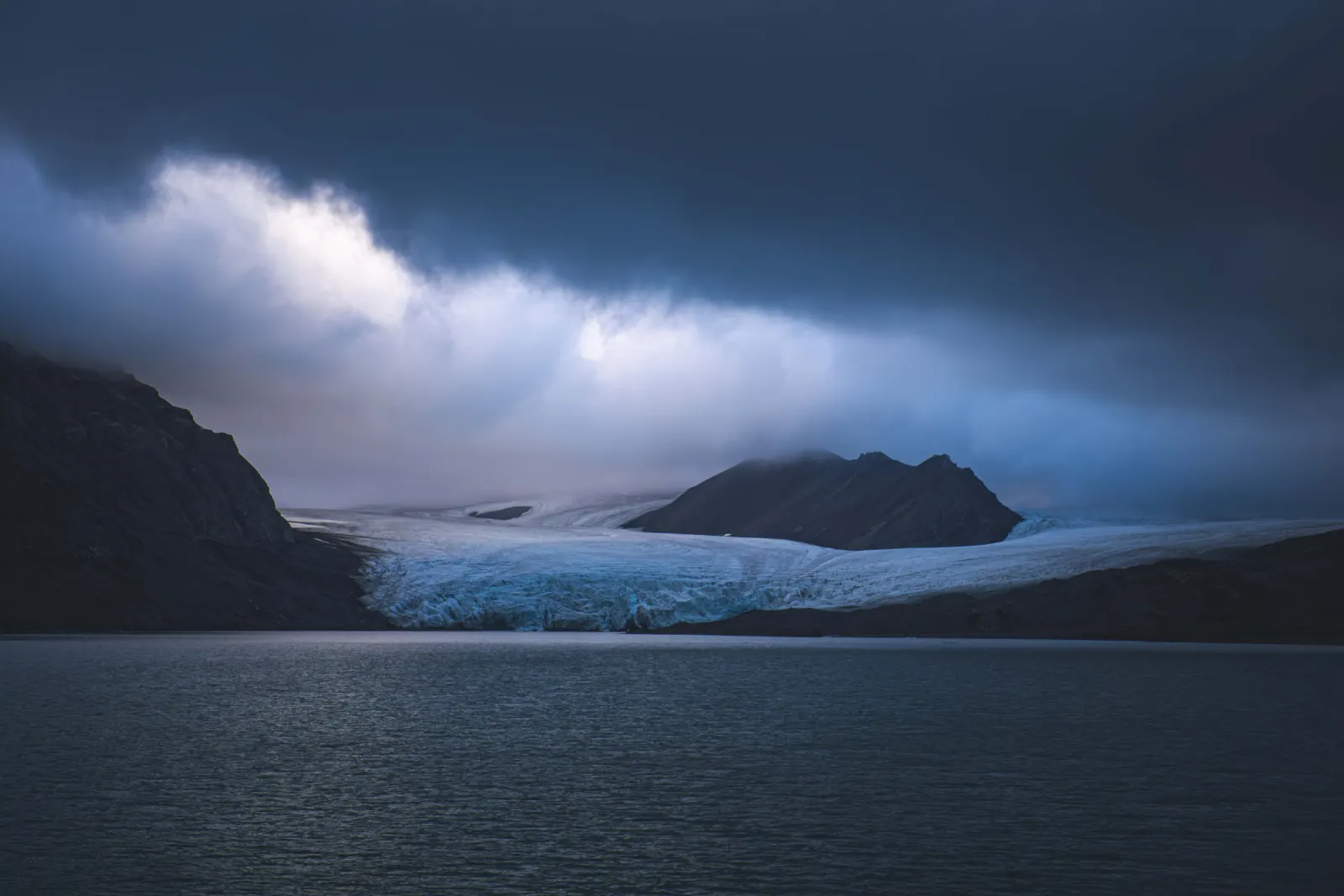
Polar wilderness travel for people who want snow, ice and almost no one else around
Photo: Francesco Ungaro / Pexels
Apr, Jun
Top score of 3.9, with highs around 2°C and nearly 14 hours of sun under the midnight sun period.
Jan, Feb, Mar, May, Jul, Aug, Sep, Oct, Nov, Dec
Svalbard and Jan Mayen suits travellers after an Arctic trip, not a beach one. With only 2,562 people spread over 61,399 km2, you'll find glaciers, polar light and long open landscapes instead of crowds. April and June are the best months, giving longer daylight for travel on snow and ice. One honest limitation: this is a remote, sparsely populated territory, so facilities, transport and supplies are limited compared with mainland Europe.
Longyearbyen is the capital of Svalbard and Jan Mayen, a territory governed by Norway. It sits far above the Arctic Circle, making it one of the few permanently inhabited settlements this far north.
The territory covers 61,399 square kilometres but has only 2,562 people. That leaves huge stretches of glaciers, fjords and tundra with almost no human presence to explore.
June and April are the best months to visit. April still has long daylight hours with reliable snow cover for travel by snowmobile or ski, while June brings the midnight sun and softer light over the ice.
Svalbard and Jan Mayen lies in Northern Europe but feels like the high Arctic. The Norwegian krone is used as currency and the single time zone is UTC+1, so travel planning stays simple even though the landscape is remote.
With Norwegian as the main language and a small, scattered population, the territory offers a quieter, more isolated experience than almost anywhere else on the European mainland.
Great for
Less ideal for
Averages for Svalbard and Jan Mayen.
In Longyearbyen, July and August bring the mildest conditions, with highs of 4.6°C and 5.2°C and up to 13.7 hours of sun in June, making midsummer the easiest time to be outdoors. December through February are the toughest months, with highs around -7°C to -9.6°C in March and near-zero or zero sunshine hours from November to January, reflecting the polar night.
Svalbard and Jan Mayen (country average) · averages 2015–2024
Svalbard reindeer is a local specialty, often slow-cooked into a hearty stew with root vegetables. It's served in Longyearbyen restaurants, especially during the long winter months.
This cold-water fish is caught in local waters and served grilled or smoked. It's a common main course on menus across the archipelago's few restaurants.
Seal is a traditional Arctic ingredient, sometimes served as a dark, rich-tasting steak or in stews. It reflects the hunting history of the region rather than everyday Norwegian cooking.
Barents Sea king crab is a prized catch brought to Svalbard's tables, usually served simply with butter or in a creamy soup. It's considered a seasonal treat tied to local fishing.
This Sami reindeer stew, slow-simmered with potatoes and carrots, reflects the indigenous food traditions of northern Norway and is found on some Longyearbyen menus.
This spiced Norwegian spirit is often poured to accompany fish dishes or to warm up after time outdoors in the cold. It's a common after-dinner drink in Longyearbyen's bars.
August is one of the milder months. The high averages 5.2°C and the low 3.9°C, the warmest readings of the year. It's also one of the wetter months, with 53mm of rain over 10 rain days, and sunshine drops to 8.4 hours as the month goes on and polar day ends.
August is the warmest month, with a high of 5.2°C and a low of 3.9°C. July is close behind at 4.6°C high and 3.1°C low. Even in summer, temperatures stay near or just above freezing, so warm clothing is needed year-round.
The data points to June and April as the best overall months. June has the highest sun hours of the year at 13.7, with a high of 1.7°C and only 5.6 rain days, the fewest of any month. April is colder, averaging -6.5°C high, but it brings 10.8 sun hours and low rainfall of 25mm.
Sun hour data shows January, November and December all at 0 recorded sun hours, and February only 0.4 hours. This matches Svalbard's polar night period, when the sun does not rise. By contrast, June, July and May see 12 to 13.7 sun hours, reflecting the midnight sun season.
December is the coldest by the scoring data, but March actually has the lowest temperatures: a high of -9.6°C and a low of -13.5°C. December also has the most rain days of any month, 12.8, with 47mm of rainfall, making it cold and consistently wet or snowy.
Rain is spread through the year rather than concentrated in one season. September has the most rainfall at 56mm, followed by August at 53mm. April and June are the driest months, each with around 24 to 25mm and fewer than 7 rain days.
Countries with a year of weather much like Svalbard and Jan Mayen.
Enter to search · Esc to close