Skip to content
wheretotravel.info
Paradera

Paradera travel guide

What to see, where to stay and the best time to visit Paradera, Aruba.

Best: Apr, May

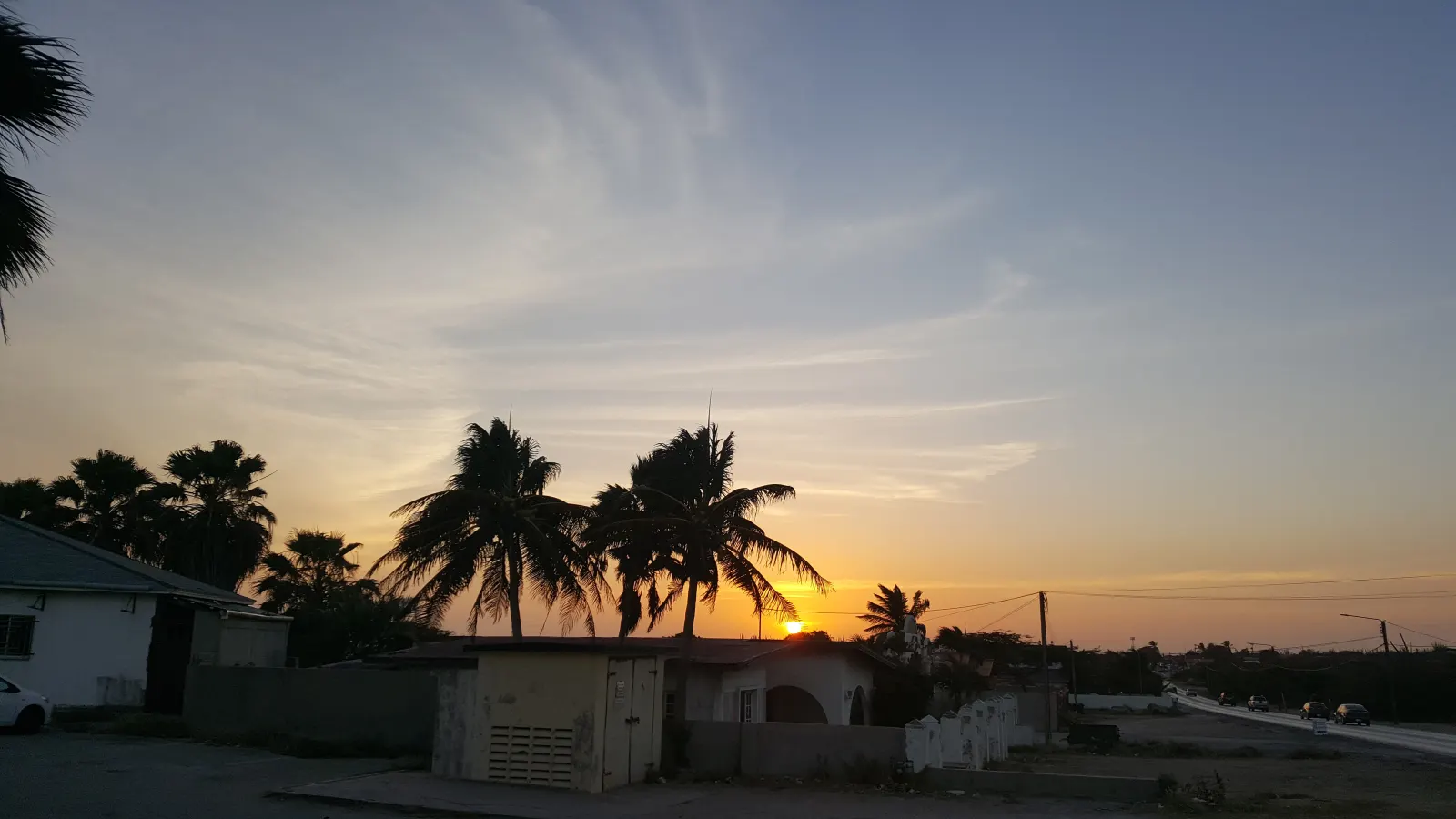
Photo: DanielleJWiki / Wikimedia Commons

Country
Aruba
Currency
AWG

About Paradera

Paradera sits inland in Aruba, away from the coast, and works as a base for rock formations, desert landscape and quiet villages rather than beach life. Visitors come here to see Casibari and Ayo Rock Formations, climb Hooiberg, poke around the Bushiribana Gold Mill Ruins, and visit the Aruba Ostrich Farm. It suits travellers who want hiking, nature and peace and quiet over nightlife. April and May bring the best conditions for exploring on foot.

How many days do you need in Paradera?

One day covers the main sights: the two rock formations, Hooiberg, and the gold mill ruins each take 30 minutes to 2 hours. A second day lets you add Andicuri Beach, Black Stone Beach and the ostrich farm at a relaxed pace.

Top attractions in Paradera

  1. 1Casibari Rock Formation

    1 hour

    Casibari

    A cluster of huge diorite boulders in the dry interior, with stairs, narrow paths and tunnels leading to the top. From the summit you see much of the island, including Hooiberg and both coasts.

  2. 2Ayo Rock Formation

    1 hour

    Ayo

    Another field of giant boulders, quieter than Casibari, with short walking paths among the rocks and cacti. Look for old Indigenous rock drawings, which are protected behind a fence.

  3. 3Hooiberg (Haystack Hill)

    1–2 hours

    The cone-shaped hill in the middle of the island, climbed by a long concrete stairway. On a clear day the top gives views over most of Aruba and sometimes as far as the coast of Venezuela. Go early, because there is little shade on the climb.

  4. 4Bushiribana Gold Mill Ruins

    30–60 minutes

    Bushiribana

    Stone ruins of a 19th-century gold smelter standing on the rough, windy north coast. You can climb around the walls and watch the waves hit the rocks below.

  5. 5Aruba Ostrich Farm

    1 hour

    Matividiri

    A farm with ostriches and emus, visited on a guided tour where you can feed the birds. It is a simple, family-friendly stop on the way to the north coast.

  6. 6Andicuri Beach

    1–2 hours

    Andicuri

    A small bay of white sand framed by rocks on the wild north coast, reached by a rough dirt road. The waves are strong and attract bodyboarders, so it suits watching and photos more than calm swimming.

  7. 7Black Stone Beach

    30–60 minutes

    Bushiribana

    A cove on the north coast covered in smooth dark stones instead of sand. Strong currents make it a place for walking and photos, not swimming.

  8. 8North Coast Rock Cairns

    30 minutes

    Bushiribana

    Along the stony coast near the gold mill ruins, visitors have stacked thousands of small rock piles across the bare ground. It is a strange, quiet landscape and an easy stop on a north coast drive.

Paradera by month

Average weather and our month score, from 10 years of climate data.

Weather by month and month scores for Paradera
Month High / low Rain days Sunshine Score
January 28°C / 25°C 13 days (35 mm) 11.0 h/day 5.3/10
February 28°C / 25°C 10 days (29 mm) 11.5 h/day 5.8/10
March 29°C / 25°C 11 days (28 mm) 11.6 h/day 5.5/10
Best month: April 29°C / 26°C 5 days (15 mm) 11.6 h/day 6.2/10
Best month: May 30°C / 26°C 5 days (20 mm) 11.5 h/day 6.0/10
June 30°C / 27°C 7 days (24 mm) 12.0 h/day 5.5/10
July 30°C / 27°C 10 days (33 mm) 11.9 h/day 4.9/10
August 31°C / 27°C 9 days (32 mm) 11.7 h/day 4.8/10
September 31°C / 27°C 8 days (40 mm) 11.2 h/day 4.7/10
October 31°C / 27°C 13 days (62 mm) 10.4 h/day 4.2/10
November 29°C / 26°C 20 days (115 mm) 10.3 h/day 4.4/10
December 29°C / 26°C 17 days (54 mm) 10.8 h/day 4.6/10
  1. Jan

    Highs reach 28.2°C with 13.2 rain days, so showers are fairly frequent. The score of 5.3 makes this an ok month overall.

  2. Feb

    Expect a high of 28.3°C and 10.1 rain days, drier than January. Scoring 5.8, it's an ok month to visit.

  3. Mar

    Temperatures hit 28.7°C with 10.7 rain days. The score sits at 5.5, an ok choice.

  4. Apr

    Highs climb to 29.4°C and rain drops to just 5.3 days, one of the driest spells. This is a good month, scoring 6.2.

  5. May

    With a high of 29.9°C and only 5.3 rain days, conditions stay dry and sunny. Score of 6 marks it a good month.

  6. Jun

    Highs reach 30.1°C and rain days rise to 7.1. The score of 5.5 keeps it in ok territory.

  7. Jul

    At 30°C with 10.4 rain days, showers pick up again. Scoring 4.9, it's an ok but less favoured month.

  8. Aug

    Highs touch 30.7°C with 9.4 rain days and 32mm of rain. The score falls to 4.8, still just ok.

  9. Sep

    Expect the year's hottest days at 31.3°C, with 8.4 rain days and 40mm of rain. Score of 4.7 keeps it ok.

  10. Oct

    Rain picks up heavily: 12.6 rain days and 62mm, with highs of 30.5°C. The lowest score of the year, 4.2, reflects the wetter, tougher weather.

  11. Nov

    This is the wettest month by far, with 19.9 rain days and 115mm of rain, plus a high of 29.3°C. Sunshine drops to 10.3 hours and the score is 4.4, due to the heavy rain.

  12. Dec

    Rain eases slightly to 17.1 days and 54mm, but it's still a wet month with highs of 28.8°C. The score of 4.6 is ok, though the rain remains notable.

Climate averages 2015–2024 · Best time to visit Aruba →

Where to stay in Paradera

The best areas to base yourself and who each one suits.

Piedra Plat

Good for budget travellers, self-caterers

This residential area lies on the road between Paradera and Oranjestad, with supermarkets and local snack bars close by. It is handy for reaching the capital and the south coast while paying less attention to tourist zones. The drawback is that it feels like an ordinary suburb, with little to see on foot.

Casibari

Good for hikers, nature lovers

Casibari sits around the well-known boulder formations, with cactus-dotted countryside and views toward Hooiberg hill. It is a good choice if you want to start the day with short walks and quiet scenery. It is a tourist stop during the day, and there are very few places to eat nearby.

Ayo

Good for couples, peace and quiet

Ayo is a rural area near the Ayo rock formations and the rugged north-east coast, where waves are strong and the landscape is dry and open. Staying here gives you space, dark skies and a strong sense of the island's wild side. It is the most remote option, so expect longer drives to calm swimming beaches, restaurants and nightlife.

Getting to and around Paradera

From the airport
No airport route data is given for Paradera. Most visitors fly into Aruba's main airport and then reach Paradera by rental car, taxi, or a pre-booked transfer, since the town itself has no airport of its own.
Public transport
There is no public transport data for Paradera, and the island has little formal public transport outside the main bus routes near Oranjestad. Most visitors get around by rental car or taxi, so book a car early if you plan to explore sights like Casibari or Ayo on your own schedule.
On foot
Paradera's sights are spread out across separate areas, so it is not very walkable overall. Casibari Rock Formation and Ayo Rock Formation each sit in their own area, and a car is needed to link them.

Food to try in Paradera

Keshi Yena

This is a hollowed-out ball of Edam or Gouda cheese stuffed with spiced meat, usually chicken or beef, then baked. It's a classic Aruban dish often served at family gatherings and local eateries across the island, including in Paradera.

Pan Bati

A soft, slightly sweet cornmeal pancake, pan bati is a staple side dish on Aruba. Locals eat it with stews, fried fish, or grilled meat, often at breakfast or dinner in home kitchens around Paradera.

Stoba

Stoba is a slow-cooked stew made with meat such as goat, beef, or chicken, along with vegetables. It's a comfort food found in home cooking and small local restaurants throughout Aruba's interior, including Paradera.

Fresh Fish and Funchi

Funchi is a firm cornmeal side, similar to polenta, paired with fresh local fish. This combination is common in casual Aruban dining spots, enjoyed for lunch or dinner.

Pastechi

A pastechi is a fried pastry filled with cheese, meat, or fish. It's a popular quick snack sold at small food stands and bakeries across Aruba, often eaten in the morning or as a midday bite.

More of Aruba

Aruba travel guide →

Paradera: frequently asked questions

Is Paradera good in August?

August is ok but not the best time. The high is 30.7°C, the warmest average of the year, with 9.4 rain days and 32mm of rain. It scores 4.8 out of 10, lower than the April and May peak, so it works if you want heat and don't mind fewer cooler breaks.

What is the best time to visit Paradera?

April and May score highest, at 6.2 and 6 out of 10. Both months have low rain days, 5.3 each, and comfortable highs of 29.4°C and 29.9°C. Sun hours sit around 11.5 to 11.6, giving steady dry weather without the heavier rain seen later in the year.

How many days do I need in Paradera?

One full day covers the main sights. The listed attractions, like Casibari Rock Formation, Ayo Rock Formation, Hooiberg, Bushiribana Gold Mill Ruins and Andicuri Beach, each take 30 minutes to 2 hours, so you can combine several in a single day if you plan the route around them.

Is Paradera rainy in November?

Yes, November is the wettest month. It has 19.9 rain days and 115mm of rain, both the highest figures of the year. Sun hours drop to 10.3, the lowest along with December, which explains its low score of 4.4 out of 10.

Does Paradera have a dry season?

Yes, April and May are the driest stretch, with only 5.3 rain days each and 15mm and 20mm of rain. This lines up with their status as the best-scoring months, 6.2 and 6 out of 10, making them the most reliable window for outdoor sightseeing.