Dim sum
Small steamed or fried dishes like dumplings and buns, served in baskets. Traditionally eaten in the morning or at lunch, often with tea, in Cantonese teahouses across Hong Kong.
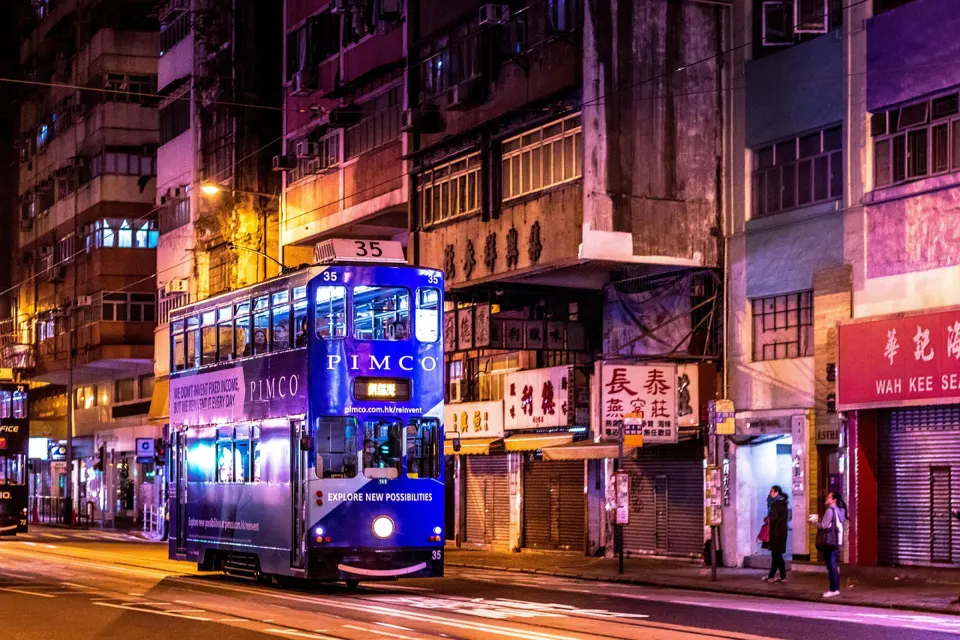
A dense, fast-paced city break where skyline views meet dim sum and ferry rides
Photo: nextvoyage / Pixabay
Jan, Feb, Nov, Dec
Top score of 9.3, with mild highs near 20°C, lows of 14°C, and only 3.6 rain days.
Mar, Apr, May, Oct
Jul
Hong Kong suits travellers who want a short, intense city trip: skyscrapers, harbour crossings, markets and hiking trails packed into a small area of 1,104 km2. December, January, February and November bring cooler, drier air that makes walking and sightseeing easier. Outside these months, heat and humidity build up, so plan accordingly. English and Chinese are both widely used, which helps with getting around.
November, December, January and February are the best months to visit Hong Kong. Plan your trip inside this window if you can. The other months are not among the best times to go, so expect less comfortable conditions then.
English and Chinese are the languages used in Hong Kong. That makes it easier for many independent travellers to read information and ask for help without speaking Chinese.
About 7498100 people live in just 1104 km². You get a dense, very urban place where a lot is packed into a small area. That suits short trips, but it can feel crowded.
Hong Kong uses the Hong Kong dollar (HKD), type G plugs and 220 V power. Traffic drives on the left. The emergency number is 999. Check that your chargers work with 220 V before you go.
Hong Kong runs on UTC+08:00. If you are already travelling in Eastern Asia, you may have little or no time difference to adjust to. That makes it easy to add to a longer regional trip.
Great for
Less ideal for
Averages for Hong Kong.
Climate data for Hong Kong city shows the best weather from November to February, when highs run 18.9–24.4°C, rain days drop to 3.6–7.3, and sun hours sit around 7.6–8.2, making for dry, mild conditions. June to September is the toughest stretch, with highs near 29–30°C, up to 392mm of rain in August, and 21 to 28 rain days a month.
Hong Kong (country average) · averages 2015–2024
Small steamed or fried dishes like dumplings and buns, served in baskets. Traditionally eaten in the morning or at lunch, often with tea, in Cantonese teahouses across Hong Kong.
A street snack made of egg-shaped waffle batter cooked in a special mould. Sold from street stalls and eaten as a warm snack any time of day.
Thin egg noodles served in broth with shrimp and pork wontons. A common lunch or late-night dish found in noodle shops across the city.
Whole goose roasted until the skin is crisp, then chopped and served with rice or noodles. A classic Cantonese dish often eaten for family meals or celebrations.
Strong black tea mixed with evaporated or condensed milk, strained through a cloth bag. Drunk hot or over ice at cha chaan tengs, the local diners found all over Hong Kong.
Rice cooked in a clay pot with toppings like cured meat or chicken, left to form a crisp layer at the bottom. Popular in cooler months as a warming evening meal.
August is an ok month, not the best. Daytime highs reach 29.8°C with lows near 26.1°C. It rains on about 26 days and brings 392mm of rain, the wettest total of the year. Humidity and heat make sightseeing tiring, though indoor malls and air conditioning help.
December is the top-rated month, with a score of 9.3. Highs sit around 20.1°C and lows near 13.8°C, rain falls on only 3.6 days, and there are 8 sun hours a day. November, January and February also score well, all rated "best", making winter the most comfortable stretch.
July scores lowest of the year at 3.9, rated "avoid" in our system, though we describe rather than tell you to skip it. Highs average 30.1°C with lows of 26.6°C, rain falls on about 25 days, and the 293mm of rainfall reflects the summer wet season and typhoon risk.
Winter, from December to February, is dry and mild. Highs range from 18.9°C to 20.1°C, lows from 13.3°C to 14.3°C, and rain days drop to between 3.6 and 7.3 per month. Sun hours stay steady at 7.6 to 8 hours a day, matching the high "best" scores for these months.
Yes, these months are among the wettest. May brings 290mm of rain over 22.8 days, and June brings 370mm over 27.7 days. Highs climb from 27.5°C in May to 29.3°C in June, with lows above 24°C, explaining their lower scores of 6.3 and 4.4.
Countries with a year of weather much like Hong Kong.
Enter to search · Esc to close