Skip to content
wheretotravel.info
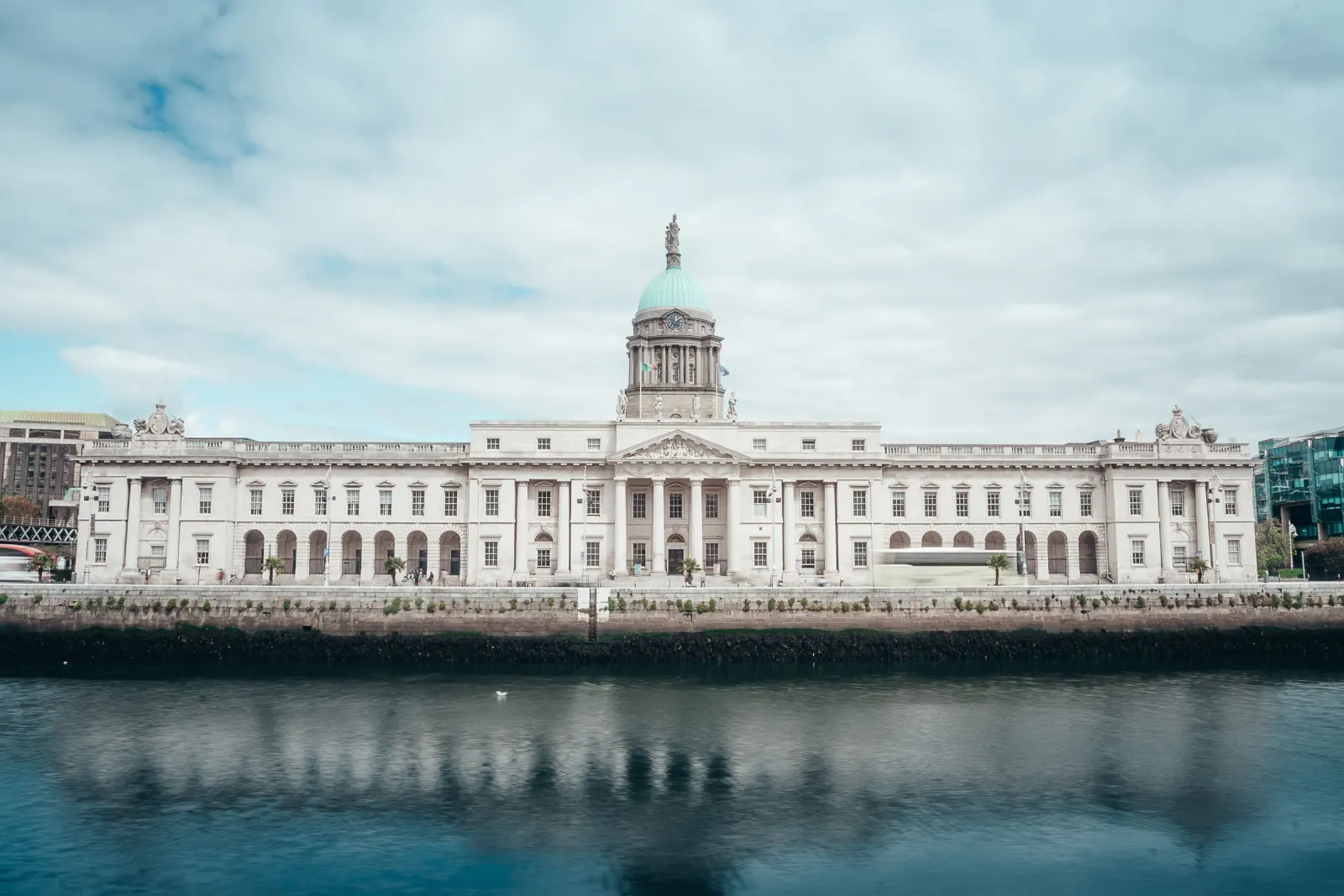
Custom House building reflected in river

Dublin travel guide

What to see, where to stay and the best time to visit Dublin, Ireland.

Best: Jun, Aug

Photo: Artem Kulinych / Pexels

Country
Ireland

About Dublin

Dublin is a compact, walkable capital on Ireland's east coast, with 592,713 people and a mix of old stone streets, museums and a famous pub culture. Visitors spend their days moving between Trinity College, cathedrals, Dublin Castle and riverside neighbourhoods, then talking to locals in the evening. June and August bring the warmest, driest weather of the year, making them the best months to visit if good weather matters to you.

How many days do you need in Dublin?

Dublin's main sights—Trinity College, Kilmainham Gaol, Guinness Storehouse, the museums and cathedrals—can fill 2 to 3 full days, with time left over to explore a neighbourhood like Temple Bar or Portobello.

Top attractions in Dublin

  1. 1Trinity College Dublin – Book of Kells Experience

    1–2 hours

    City centre

    Ireland's oldest university displays the Book of Kells, a richly decorated medieval gospel manuscript, next to the Old Library's Long Room. The Long Room is undergoing a long conservation project, so check what is on show before you book. The campus itself is free to walk through.

  2. 2Kilmainham Gaol

    1.5–2 hours

    Kilmainham

    A former prison where many leaders of Irish rebellions were held and executed, seen only on a guided tour. It is one of the best places to understand modern Irish history. Tours often sell out, so book ahead.

  3. 3Guinness Storehouse

    2–3 hours

    The Liberties

    A multi-floor visitor centre about Guinness beer at the St James's Gate brewery, ending in a rooftop bar with city views. It is Dublin's most visited paid sight and gets very crowded; skip it if you are not interested in beer or branding.

  4. 4National Museum of Ireland – Archaeology

    1.5–2 hours

    Kildare Street

    Holds Ireland's finest prehistoric gold, Viking objects and preserved bog bodies. Entry is free, which makes it good value on a rainy day.

  5. 5St Patrick's Cathedral

    1 hour

    The Liberties

    Ireland's largest cathedral, with a long link to the writer Jonathan Swift, who was dean here and is buried inside. The park beside it is a pleasant place to rest.

  6. 6Christ Church Cathedral

    1 hour

    Old City

    Dublin's medieval cathedral, known for its large crypt, one of the oldest structures in the city. It is a short walk from St Patrick's, so many visitors see both on the same morning.

  7. 7Dublin Castle

    1–1.5 hours

    Dame Street

    For centuries the seat of British rule in Ireland, now used for state events. You can see the ornate State Apartments and, on guided tours, remains of the Viking-era defences below ground.

  8. 8Chester Beatty

    1–2 hours

    Dublin Castle grounds

    A free museum of manuscripts, rare books and art from Asia, the Middle East and Europe, collected by one man. It is quieter than the big sights and easy to combine with Dublin Castle.

  9. 9EPIC The Irish Emigration Museum

    1.5–2 hours

    Docklands

    An interactive museum about why millions of people left Ireland and what they did abroad. It suits families and anyone with Irish roots, though visitors who prefer real objects to screens may find it light.

  10. 10Phoenix Park

    Half a day

    West of city centre

    One of the largest enclosed city parks in Europe, with a herd of wild deer, Dublin Zoo and the President's residence. Renting a bike is the easiest way to see it, as distances are long on foot.
Dublin by month

Average weather and our month score, from 10 years of climate data.

Weather by month and month scores for Dublin
Month High / low Rain days Sunshine Sea temp Score
January 8°C / 4°C 13 days (63 mm) 4.1 h/day 7°C 1.6/10
February 9°C / 4°C 13 days (66 mm) 5.4 h/day 8°C 2.3/10
March 10°C / 4°C 15 days (80 mm) 7.1 h/day 8°C 2.9/10
April 12°C / 6°C 12 days (63 mm) 9.2 h/day 11°C 4.4/10
May 15°C / 9°C 13 days (65 mm) 11.0 h/day 14°C 5.9/10
Best month: June 18°C / 11°C 13 days (73 mm) 11.4 h/day 16°C 7.1/10
July 19°C / 13°C 15 days (79 mm) 10.1 h/day 17°C 7.0/10
Best month: August 19°C / 13°C 13 days (82 mm) 9.7 h/day 17°C 7.4/10
September 17°C / 11°C 13 days (83 mm) 8.2 h/day 16°C 6.9/10
October 14°C / 9°C 14 days (88 mm) 6.2 h/day 14°C 4.8/10
November 11°C / 6°C 13 days (87 mm) 4.5 h/day 11°C 2.9/10
December 10°C / 5°C 15 days (95 mm) 3.3 h/day 9°C 1.6/10
  1. Jan

    Highs reach just 8.3°C with 12.8 rain days, and cold damp days make this a tough month with a low score of 1.6.

  2. Feb

    Still chilly at 9.1°C highs and 12.9 rain days; sunshine creeps up to 5.4 hours but the score stays low at 2.3.

  3. Mar

    Highs of 10.1°C come with 14.5 rain days, the wettest spell so far at 80mm, keeping the score at a modest 2.9.

  4. Apr

    Temperatures lift to 11.6°C with fewer rain days (12.1) and more sun (9.2 hours), pushing the verdict up to ok at 4.4.

  5. May

    Warmer at 14.9°C highs with 11 sun hours and sea temps rising to 14.1°C; an ok month scoring 5.9.

  6. Jun

    Highs of 17.6°C, 11.4 sun hours and a sea temperature of 16.1°C make this a good month with a score of 7.1.

  7. Jul

    The wettest summer month with 15.1 rain days and 79mm, but highs of 19.2°C keep the score good at 7.0.

  8. Aug

    Peak warmth at 18.9°C highs and the warmest sea at 17.2°C; 13.2 rain days don't stop a top score of 7.4.

  9. Sep

    Highs drop slightly to 16.9°C with 83mm of rain, but sunshine and sea warmth hold the score at a good 6.9.

  10. Oct

    Cooler at 14.1°C highs with rain climbing to 88mm over 14 days; sunshine fades to 6.2 hours, giving an ok score of 4.8.

  11. Nov

    Highs fall to 10.7°C with just 4.5 sun hours and 87mm of rain, pulling the score down to 2.9 for a dim, damp month.

  12. Dec

    The coldest, darkest month: 9.5°C highs, only 3.3 sun hours and 15 rain days with 95mm, giving the lowest score of 1.6.

Climate averages 2015–2024 · Best time to visit Ireland →

Where to stay in Dublin

The best areas to base yourself and who each one suits.

Temple Bar

Good for nightlife, short stays, groups

A small area of narrow, cobbled streets beside the River Liffey, packed with pubs, live music and restaurants. You are central and can walk almost everywhere. It is loud late into the night, especially at weekends, so light sleepers should stay elsewhere.

Portobello

Good for couples, food lovers, quieter nights

A residential area along the Grand Canal, south of the centre, with cafés, restaurants and good local pubs. It feels more like everyday Dublin but is still walkable to St Stephen's Green. Choice of places to stay is smaller than in the centre, so book early.

Smithfield and Stoneybatter

Good for repeat visitors, budget-minded, local feel

These north-side neighbourhoods have old red-brick streets, independent cafés and traditional pubs, plus the Luas tram line into the centre. They are close to the Jameson distillery and Phoenix Park. The area is further from the main southside sights, and some streets feel quiet or rough late at night.

Ballsbridge

Good for families, business travellers, quiet

A leafy, well-off area south-east of the centre with large Georgian and Victorian houses, embassies and the Aviva Stadium. It is calm and safe-feeling, with good bus and DART rail links. The downside is that evenings are quiet and you will need a longer walk or short ride to reach the main sights and nightlife.

Dún Laoghaire

Good for sea lovers, slower trips, families

A seaside town south of the city with a long pier, a coastal promenade and easy access to walks along Dublin Bay. The DART train takes you into the city centre. It is not ideal for a short first visit, because you spend time travelling in and out each day and late-night options back are limited.

Getting to and around Dublin

From the airport
No specific airport route data is given for Dublin, but visitors usually reach the centre from the airport by bus, coach, or taxi; these are the standard options for getting into town.
Public transport
Dublin has buses and trams (Luas) for getting around, plus a DART rail line along the coast toward places like Dún Laoghaire. There's no metro yet, so buses are the main way to cross town — check routes ahead since coverage can be patchy outside main corridors.
On foot
The city centre is compact and walkable. Trinity College, Dublin Castle, Chester Beatty, Christ Church Cathedral, and St Patrick's Cathedral all sit close together, making it easy to see several sights on foot in one outing.

Typical journey times and fares from the airport and other cities.

Route By Time Price
Dublin → Westport Iarnród Éireann (Irish Rail) runs trains between Dublin Heuston and Westport. The fastest train listed takes 3h 14m (Rome2Rio), and there are only a few trains a day. The Irish Rail fares page lists fares on this line, but I couldn't see the full Dublin–Westport fare, so prices are left blank. Check irishrail.ie before you travel. train 3 h 14 min – ↗

Day trips from Dublin

Places within 2½ hours by train, bus, ferry or car.

  • Cork

    train · 27 EUR

    Iarnród Éireann (Irish Rail) runs direct trains from Dublin Heuston to Cork Kent, about every hour on weekdays and less often on Sundays. The fastest train listed takes 2h 28m, and most take 2h 30m–2h 55m. The €27 starting fare comes from a third-party site, not Irish Rail. I couldn't confirm a top fare. You can book on irishrail.ie up to 90 days ahead, and booking early is usually cheaper than buying at the station.

    2 h 28 min
  • Galway

    train · 13.99 EUR

    Iarnród Éireann (Irish Rail) runs direct trains from Dublin Heuston to Galway Ceannt, about 11 a day. The fastest train takes 2h 18m (Rome2Rio), and the usual time is about 2h 30m. Online fares start at €13.99 if you book ahead on irishrail.ie, according to a travel blog. Station machine prices are noticeably higher. I couldn't confirm a top fare.

    2 h 18 min

Food to try in Dublin

Irish stew

A slow-cooked dish of lamb or mutton with potatoes, carrots and onions. It's classic pub food in Dublin, especially on cooler days.

Full Irish breakfast

A hearty plate of bacon, sausage, eggs, black and white pudding, grilled tomato and beans. Locals and visitors eat it at cafes across the city, often as a weekend treat.

Dublin coddle

A simple one-pot dish of sausages, bacon, potatoes and onions, simmered together. It's a traditional Dublin comfort food, often made at home in winter.

Boxty

A type of Irish potato pancake, made from grated and mashed potato mixed with flour. You'll find it on menus in traditional Dublin restaurants, often served with savory fillings.

Soda bread

A dense, slightly sweet bread made without yeast, using buttermilk and baking soda instead. It's a staple on Irish breakfast tables and served in cafes throughout the city.

Guinness and oysters

A pairing of the city's famous dry stout with fresh oysters. Many Dublin pubs near the coast serve this combination, especially in the evening.

More of Ireland

Ireland travel guide →

Dublin: frequently asked questions

Is Dublin good in August?

Yes. August scores 7.4 out of 10, the highest of the year. Daytime highs reach 18.9°C and sea temperature hits 17.2°C, the warmest month for swimming. Rain still falls on about 13 days, with 82mm total, so pack a waterproof even in summer.

What is the best time to visit Dublin?

June and August are rated best, both scoring over 7. June brings the most sunshine, 11.4 hours a day, with highs of 17.6°C. August is slightly warmer at 18.9°C and has the warmest sea at 17.2°C. July and September also score well, both above 6.9.

Is Dublin cold in January?

Yes. January is Dublin's coldest month, with a high of just 8.3°C and a low of 3.7°C. It also gets only 4.1 hours of sun a day and rain on nearly 13 days. The month scores 1.6 out of 10, the lowest rating of the year.

How many days do I need in Dublin?

Two to three days covers the main sights. The Guinness Storehouse takes 2–3 hours, Trinity College's Book of Kells 1–2 hours, and Kilmainham Gaol about 1.5–2 hours. Add Phoenix Park, listed as a half-day visit, if you have a third day.

Is Dublin rainy?

Dublin gets rain on 12 to 15 days in every month of the year. December is the wettest, with 95mm of rain over 15 days, while April and November are slightly drier with around 12.1–12.7 rain days. There is no fully dry season, so rain gear is useful year-round.