Skip to content
wheretotravel.info
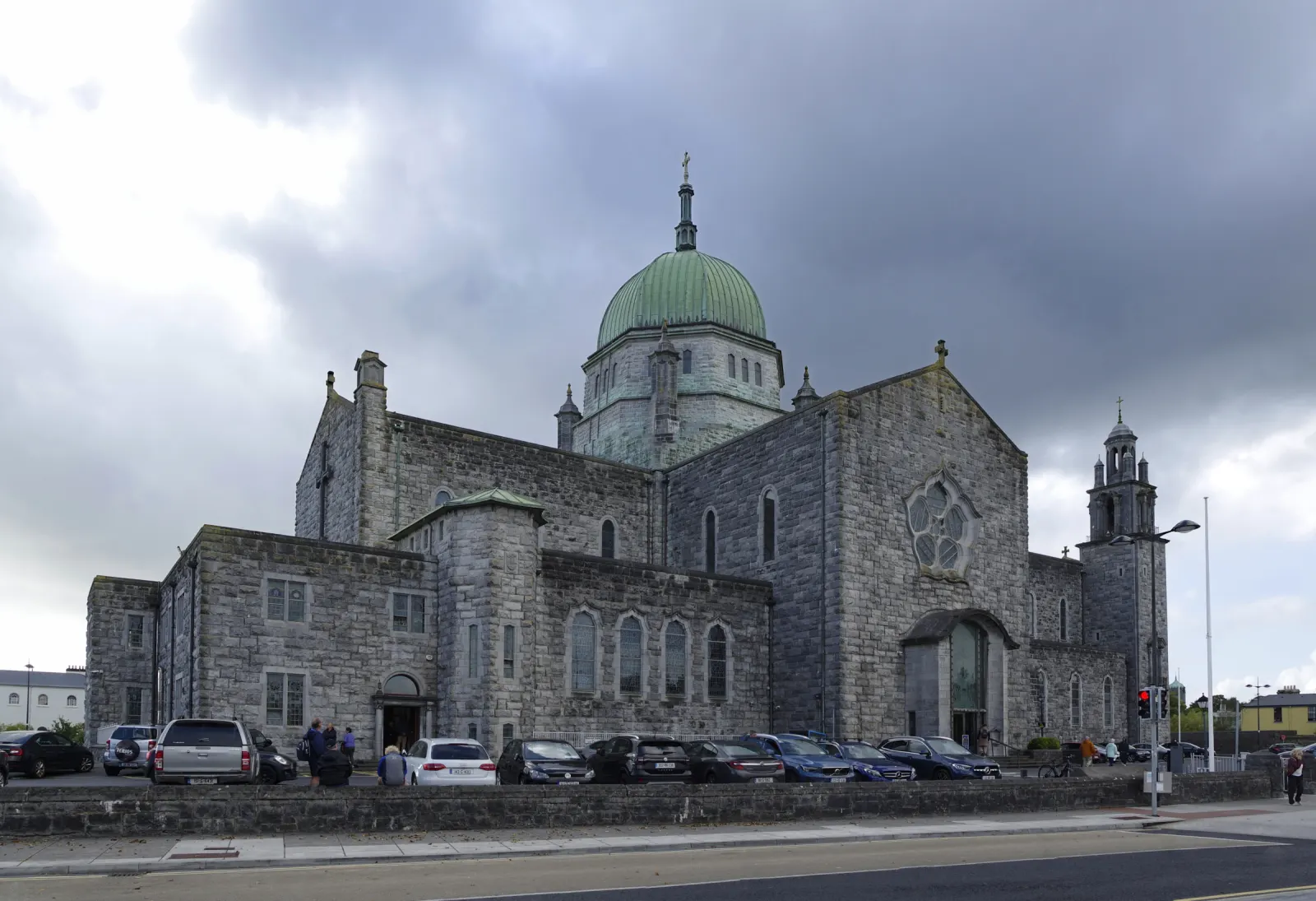
Galway Cathedral with domed roof and cars

Galway travel guide

What to see, where to stay and the best time to visit Galway, Ireland.

Best: Jul, Aug

Photo: Berthold Werner / Wikimedia Commons

Country
Ireland

About Galway

Galway is a small, coastal city in Ireland with around 83,456 people. It's compact enough to walk, with a historic centre of narrow streets, old churches and a river running through the middle, plus the sea close by at Salthill and Claddagh. Expect live music in pubs, a markets scene and a steady buzz rather than big sights. July and August bring the warmest, driest weather, so this is when most visitors come, though the city has an easy pace outside peak summer too.

How many days do you need in Galway?

Two to three days cover the main sights: the Latin Quarter, Spanish Arch, the Cathedral, the Museum and a walk out to Salthill or Claddagh, with time left for pubs and the market.

Top attractions in Galway

  1. 1Latin Quarter and Shop Street

    2–3 hours

    City centre

    The pedestrian heart of Galway, running from Shop Street down through High Street and Quay Street. It is full of street performers, pubs with live traditional music, and small independent shops. Come in the evening for the music, but expect crowds on summer weekends.

  2. 2Spanish Arch

    30 minutes

    City centre

    A surviving section of the old city walls beside the point where the River Corrib meets the sea. Locals and visitors sit on the grass here on dry days. It is a short walk from the Latin Quarter and a good place to start a walk along the river.

  3. 3Galway City Museum

    1–2 hours

    City centre

    A modern museum next to the Spanish Arch covering the history of the city, the Irish language and the sea. The upper floors have good views over the river mouth and Claddagh. It is a sensible choice on a wet day.

  4. 4Galway Cathedral

    45 minutes

    Newtownsmyth

    A large Catholic cathedral on the west bank of the River Corrib, built in the twentieth century with a green copper dome. Inside, look for the stone work and mosaics. It is still an active church, so check before visiting during services.

  5. 5Salmon Weir Bridge

    20 minutes

    City centre

    The bridge between the cathedral and the courthouse crosses the fast-flowing River Corrib. At the right time of year you may see salmon waiting below the weir. It is best combined with a visit to the cathedral.

  6. 6St Nicholas' Collegiate Church

    30–45 minutes

    City centre

    A medieval church in the middle of the old town, still used for worship. It has old tombs and carvings, and a local story says Christopher Columbus prayed here. It gives a quiet break from the busy streets outside.

  7. 7Galway Market

    1 hour

    City centre

    A street market beside St Nicholas' Church, selling local food, crafts and hot snacks. It runs mainly at weekends, so check the day before you go. Good for a cheap, casual lunch.

  8. 8Eyre Square

    30 minutes

    City centre

    The main public square near the train and bus stations, with lawns and seating. Most visitors pass through it on arrival. There is not much to see, but it is a useful meeting point at the top of Shop Street.

  9. 9Salthill Promenade

    1–2 hours

    Salthill

    A long seafront walk west of the centre, with views across Galway Bay to the Burren hills on clear days. Local tradition is to walk the full length and kick the wall at the end. It is exposed to wind and rain, so skip it in bad weather.

  10. 10Claddagh

    45 minutes

    Claddagh

    The old fishing district just across the river from the Spanish Arch, which gave its name to the Claddagh ring. Today it is mostly quiet housing, but the quayside has swans and good views back to the city. Walk here on the way to Salthill.
Galway by month

Average weather and our month score, from 10 years of climate data.

Weather by month and month scores for Galway
Month High / low Rain days Sunshine Sea temp Score
January 8°C / 4°C 16 days (111 mm) 3.6 h/day 7°C 1.1/10
February 9°C / 4°C 17 days (116 mm) 4.8 h/day 8°C 1.7/10
March 10°C / 4°C 16 days (117 mm) 6.3 h/day 9°C 2.6/10
April 13°C / 6°C 13 days (70 mm) 8.5 h/day 11°C 4.7/10
May 15°C / 8°C 15 days (79 mm) 10.2 h/day 14°C 5.7/10
June 17°C / 11°C 16 days (87 mm) 9.7 h/day 17°C 6.7/10
Best month: July 18°C / 12°C 17 days (116 mm) 9.0 h/day 18°C 7.0/10
Best month: August 18°C / 13°C 19 days (142 mm) 8.6 h/day 18°C 7.0/10
September 17°C / 11°C 16 days (105 mm) 6.8 h/day 16°C 6.0/10
October 14°C / 9°C 18 days (132 mm) 5.4 h/day 13°C 4.2/10
November 11°C / 6°C 16 days (122 mm) 3.9 h/day 11°C 2.3/10
December 9°C / 5°C 19 days (146 mm) 3.0 h/day 9°C 1.3/10
  1. Jan

    Highs reach 8.4°C with rain on 15.8 days. Cold, damp and short daylight hours give this month our lowest score of the year.

  2. Feb

    Highs of 9°C and 16.9 rain days keep things chilly. Scores stay low, though sunshine hours start to creep up slightly.

  3. Mar

    Highs of 10.1°C with 16.3 rain days. Still a low-scoring month, but daylight and sun hours are rising from winter lows.

  4. Apr

    Highs climb to 12.5°C and rain days drop to 12.8, the driest spell of the year. Scores move into 'ok' territory.

  5. May

    Highs of 15.4°C, 15 rain days, and sea temperature up to 14.3°C. An 'ok' month as spring settles in properly.

  6. Jun

    Highs of 17.4°C and 16 rain days. Scores rise to 'good', with warmer seas at 16.5°C for anyone braving a swim.

  7. Jul

    Highs of 18.3°C, the warmest alongside August, but rain days climb to 17. Still rated 'good' overall for a visit.

  8. Aug

    Highs of 18.1°C and the wettest month with 19.1 rain days and 142mm of rain. Still scores 'good' thanks to warmth and sea temperature of 18°C.

  9. Sep

    Highs of 16.6°C with 15.7 rain days. A 'good' month with milder weather and fewer rainy days than high summer.

  10. Oct

    Highs drop to 13.7°C and rain days rise to 17.5. Scores fall to 'ok' as autumn weather sets in.

  11. Nov

    Highs of 10.6°C, 15.6 rain days, and sun hours down to 3.9. A low-scoring month with short, grey days.

  12. Dec

    Highs of just 9.2°C with the most rain days of the year at 18.8 and only 3 sun hours daily. The lowest-scoring month.

Climate averages 2015–2024 · Best time to visit Ireland →

Where to stay in Galway

The best areas to base yourself and who each one suits.

Latin Quarter (city centre)

Good for first-timers, nightlife, short stays

This is the old core of Galway, with narrow pedestrian streets, pubs with live music, street performers and many places to eat. You can walk to most sights, and the bus and train station is close by. The drawback is noise: pubs stay busy late, especially at weekends and during summer festivals, so light sleepers should ask for a room away from the street.

Eyre Square and around the station

Good for first-timers, travellers without a car, day trips

The area around the main square is very handy if you arrive by bus or train or plan tours to Connemara or the Cliffs of Moher, as many leave from here. The Latin Quarter is an easy walk away. It feels more like a busy town centre than a charming old quarter, and the square can be loud and a little rough late at night.

West End (Dominick Street and Sea Road)

Good for food lovers, music fans, repeat visitors

Just across the river from the Latin Quarter, the West End has a more local feel, with independent cafés, restaurants and pubs known for traditional music sessions. It is still a short walk to the centre and on the way to Salthill. Some streets are busy with bar crowds at night, and choice of places to stay is smaller than in the centre.

Claddagh

Good for couples, walkers, quieter stays close to town

This historic fishing area sits where the river meets Galway Bay, with open views across the water and the swans at the Claddagh Basin. It is quieter than the centre but only a short walk over the bridge to the pubs and shops. There are few shops or restaurants in the area itself, and it is exposed to wind and rain off the bay.

Salthill

Good for families, beach and seaside walks, longer stays

Salthill is Galway's seaside suburb, known for the long Promenade along the bay, small beaches and the local tradition of swimming at Blackrock. It is calmer than the city centre and good for families, with easy walks by the sea. The drawback is distance: walking into the centre takes a while along the coast, and it can feel quiet and a bit tired outside the summer season.

Woodquay

Good for quiet, budget-minded, self-caterers

This residential area just north of the centre sits by the river and is close to the university side of town. It is quieter than the Latin Quarter while still being walkable to the main streets. It has less character and fewer places to eat and drink, so you will head into the centre most evenings.

Getting to and around Galway

From the airport
Galway has no listed airport route in our data. Most visitors arrive by bus or taxi from Galway's own small airport or from Shannon or Dublin airports, since Galway city doesn't have major direct flight numbers here.
Public transport
Galway has no metro or tram. Local buses connect Eyre Square, Salthill and Woodquay. There's little rail within the city itself, so most visitors walk or take a bus for longer hops like Salthill.
On foot
The city centre is compact and walkable. Shop Street, Eyre Square, Spanish Arch, the Cathedral and the Market all sit within a short walk of each other.

Day trips from Galway

Places within 2½ hours by train, bus, ferry or car.

  • Dublin

    train · 13.99 EUR

    Iarnród Éireann (Irish Rail) runs direct trains from Dublin Heuston to Galway Ceannt, about 11 a day. The fastest train takes 2h 18m (Rome2Rio), and the usual time is about 2h 30m. Online fares start at €13.99 if you book ahead on irishrail.ie, according to a travel blog. Station machine prices are noticeably higher. I couldn't confirm a top fare.

    2 h 18 min

Food to try in Galway

Galway Bay Oysters

Galway sits on the coast, and oysters from Galway Bay are the city's best-known food. Locals and visitors eat them raw with brown bread in pubs and seafood bars around the Latin Quarter.

Seafood Chowder

A thick, creamy soup made with local fish, mussels and prawns. Most pubs in Galway serve it as a starter or light lunch, often with a slice of soda bread.

Connemara Lamb

Lamb from the hills of nearby Connemara is a staple on Galway menus. It's usually slow-cooked or grilled and served with root vegetables in traditional restaurants.

Irish Soda Bread

A dense, quick bread made without yeast, found on almost every breakfast and lunch table in the city. It pairs well with chowder or smoked fish.

Smoked Salmon

Salmon smoked along the west coast is a common addition to brunch plates and sandwiches in Galway's cafes, often served with brown bread and a squeeze of lemon.

More of Ireland

Ireland travel guide →

Galway: frequently asked questions

Is Galway good to visit in August?

Yes, August is one of the best months to visit, with a score of 7 out of 10. Highs reach 18.1°C and sea temperature peaks at 18°C, the warmest of the year. It's also the wettest month though, with 142mm of rain over 19.1 rain days, so pack a waterproof jacket.

How many days do I need in Galway?

Two to three days is enough to see the main sights. The Latin Quarter and Shop Street take 2–3 hours, the Galway City Museum needs 1–2 hours, and Salthill Promenade takes another 1–2 hours. Add half a day if you want to walk around Claddagh and the Spanish Arch at a relaxed pace.

What is the best time to visit Galway?

July and August are the best months, both scoring 7 out of 10. Highs sit around 18°C, sea temperatures reach 17.8–18°C, and sun hours are near the yearly peak at 9–9.7 hours. June and September also score well, 6.7 and 6 respectively, with slightly less rain than August.

Is Galway cold in winter?

Yes. December and January are the coldest months, with highs of only 9.2°C and 8.4°C and lows near 5°C and 4°C. Sunshine drops to just 3 to 3.6 hours a day, and rain days climb to 15.8–18.8, which is why both months score 1.1–1.3 out of 10 on the verdict scale.

Does it rain a lot in Galway?

Yes, rain is common all year. Galway sees at least 12.8 rain days every month, rising to 19.1 days in August and 18.8 in December. Rainfall by volume peaks in December at 146mm, while April is the driest month with 70mm over 12.8 days.