Skip to content
wheretotravel.info
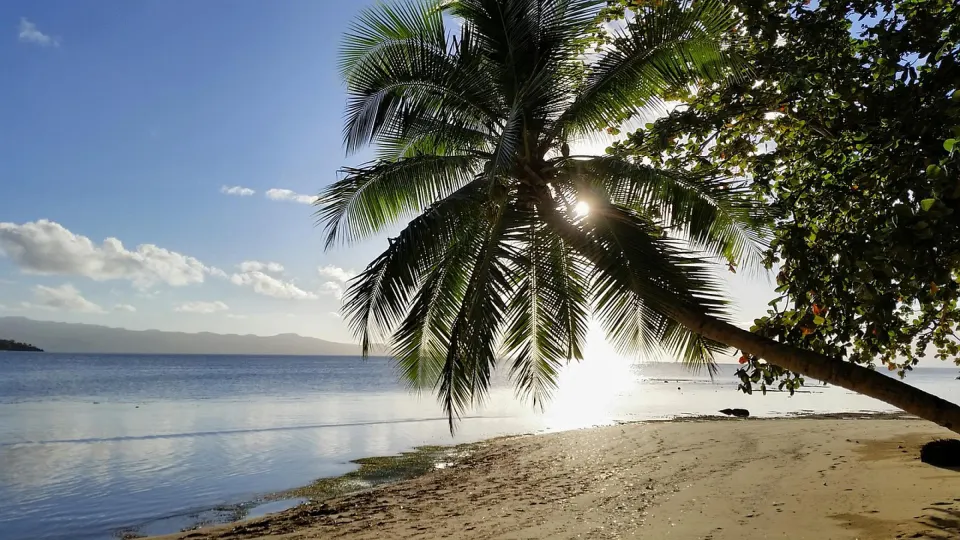
Palm tree overhanging calm beach with mountains across water

Sigatoka travel guide

What to see, where to stay and the best time to visit Sigatoka, Fiji.

Best: Jun, Jul, Aug, Sep

Photo: HeikoBrown / Pixabay

Country
Fiji
Currency
FJD

About Sigatoka

Sigatoka sits on Fiji's Coral Coast, where a river meets the sea near sand dunes, a farming valley, and a string of beaches. It's a low-key base: a market town of about 9,622 people, surrounded by inland villages, river trips, and resort stretches on nearby islands and coastline. Expect a mix of local life and beach time rather than a polished resort bubble. The driest, sunniest months are June, July, August and September, making this stretch of the year the most reliable for beach days and outdoor trips into the valley.

How many days do you need in Sigatoka?

Two to three days cover the main sights: the sand dunes, Tavuni Hill Fort, a river safari, and a beach stop at Kulukulu or Natadola, with time left for the market and valley villages.

Top attractions in Sigatoka

  1. 1Sigatoka Sand Dunes National Park

    half a day

    Kulukulu, west of Sigatoka town

    Fiji's first national park protects tall, wind-shaped sand dunes at the mouth of the Sigatoka River. Marked trails lead through forest and over the dunes to the beach, and old pottery and burial sites have been found here. Go early in the day, because the sand gets very hot and there is little shade on the open dunes.

  2. 2Tavuni Hill Fort

    an hour or two

    Naroro, Sigatoka Valley

    This restored hilltop fort was built by a Tongan chief and his followers. You can walk among old house platforms, ceremonial grounds and graves, and the views over the Sigatoka River and valley are wide. A small visitor centre explains the site's history.

  3. 3Sigatoka River Safari

    half a day

    Sigatoka town

    Jet boat trips run up the Sigatoka River to inland villages. Visits usually include a welcome ceremony, kava and a village meal, so you get a look at rural Fijian life that is hard to arrange on your own. It is an organised tour, so book ahead and expect to travel in a group.

  4. 4Kula Wild Adventure Park

    half a day

    Korotogo, Coral Coast

    A wildlife park set in forest near the coast, with Fijian birds, iguanas and other native animals. Staff run breeding work for threatened species, and there are also adventure activities such as ziplines and waterslides. It works well for families.

  5. 5Naihehe Cave

    half a day

    Sigatoka Valley

    A large limestone cave in the upper Sigatoka Valley, known locally as the 'cannibal cave'. It was once used as a refuge and a place for priests, and a local guide explains its stories as you walk through by torchlight. The cave floor can be wet and slippery, so wear good shoes; it is usually reached on an organised tour.

  6. 6Sigatoka Valley

    half a day

    Inland from Sigatoka town

    The fertile river valley is often called Fiji's 'salad bowl' because so many vegetables are grown here. A drive or guided trip takes you past farms, villages and green hills. After heavy rain the unsealed valley roads can be muddy or cut off, so check conditions first.

  7. 7Sigatoka Market

    about an hour

    Sigatoka town centre

    The town's produce market sells fruit, vegetables, root crops and kava from the valley farms. It is a good, low-key place to see daily local life and buy snacks. Mornings are the busiest and freshest time to visit.

  8. 8Kulukulu Beach

    a few hours

    Kulukulu, west of Sigatoka town

    A wild, dark-sand beach at the river mouth next to the dunes, known for one of Fiji's few surf breaks reachable from land. It suits experienced surfers and people who like a quiet walk. Currents here are strong and there are no lifeguards, so swimming is not a good idea.

  9. 9Natadola Beach

    half a day

    Natadola, Coral Coast

    A long white-sand beach with calm, clear water, a drive west of Sigatoka along the Coral Coast. It is one of the best swimming beaches on the main island. Locals may offer horse rides along the sand.
Sigatoka by month

Average weather and our month score, from 10 years of climate data.

Weather by month and month scores for Sigatoka
Month High / low Rain days Sunshine Sea temp Score
January 30°C / 24°C 24 days (282 mm) 10.5 h/day 29°C 7.0/10
February 30°C / 25°C 22 days (290 mm) 9.9 h/day 30°C 7.0/10
March 29°C / 24°C 23 days (288 mm) 9.2 h/day 29°C 7.0/10
April 29°C / 24°C 14 days (136 mm) 9.9 h/day 30°C 7.2/10
May 28°C / 23°C 11 days (73 mm) 9.3 h/day 29°C 8.6/10
Best month: June 27°C / 22°C 7 days (67 mm) 9.4 h/day 28°C 9.1/10
Best month: July 27°C / 22°C 7 days (44 mm) 9.7 h/day 27°C 9.1/10
Best month: August 26°C / 21°C 8 days (89 mm) 9.4 h/day 26°C 8.9/10
Best month: September 27°C / 22°C 10 days (67 mm) 10.2 h/day 26°C 8.7/10
October 28°C / 23°C 15 days (118 mm) 10.0 h/day 27°C 8.0/10
November 29°C / 23°C 15 days (117 mm) 10.8 h/day 28°C 7.0/10
December 29°C / 24°C 20 days (232 mm) 10.4 h/day 29°C 7.0/10
  1. Jan

    Hot and wet: highs of 29.5°C with rain on about 23.5 days, cyclone-season humidity. Score 7, a good month but the heaviest rain of the year.

  2. Feb

    Still peak wet season, 29.8°C highs, rain on 22.3 days and 290mm total. Scored 7, good, though sunshine drops to 9.9 hours a day.

  3. Mar

    Warm at 29.4°C with 22.6 rain days, similar to January and February. Rated good at 7, as the wet season continues.

  4. Apr

    Rain eases sharply to 13.7 days and 136mm, highs still 29°C. Score rises to 7.2, good, as conditions start turning drier.

  5. May

    Drier and cooler: 27.7°C highs, only 10.7 rain days. Score jumps to 8.6, the best verdict begins.

  6. Jun

    One of the top months: 27°C highs, just 6.9 rain days and 67mm rain. Score 9.1, best, with dry, mild conditions.

  7. Jul

    Driest and coolest peak: 26.7°C highs, 6.6 rain days, 44mm rain. Score 9.1, best, ideal for outdoor plans.

  8. Aug

    Still dry at 26.2°C highs with 8.3 rain days. Score 8.9, best, though sea temperature dips to 26.2°C, the year's lowest.

  9. Sep

    Mild, 27.1°C highs, 9.8 rain days and only 67mm rain. Score 8.7, best, with sunshine climbing back to 10.2 hours.

  10. Oct

    Warming up again: 28°C highs, rain days rise to 15 and rainfall to 118mm. Still scores 8, best, as the dry season winds down.

  11. Nov

    Transition month: 28.8°C highs, 15.1 rain days, 117mm rain. Score drops to 7, good, as humidity starts building.

  12. Dec

    Back to wet season patterns: 29.2°C highs, rain on 20.4 days, 232mm total. Score 7, good, with heat and humidity returning.

Climate averages 2015–2024 · Best time to visit Fiji →

Where to stay in Sigatoka

The best areas to base yourself and who each one suits.

Sigatoka Town

Good for budget travellers, self-caterers

The working market town on the Sigatoka River, with the produce market, supermarkets, banks and the bus stand. It is practical and cheap for short stays, and good if you want to see everyday Fijian life. There is no beach in town and evenings are very quiet, with little open after dark.

Yanuca Island

Good for families, resort stays

A small island joined to the mainland by a causeway, west of town, taken up mostly by one large resort. It suits families who want everything on site, including kids' activities and calm water. You are cut off from local life and depend on taxis or tours to go anywhere.

Sigatoka Valley

Good for slow travellers, village and farm stays

The inland river valley, sometimes called Fiji's salad bowl, with farms and villages along the river. It suits visitors who want a homestay, river trips and a look at rural Fiji away from the resorts. Roads are rough in places, especially after rain, and there are no beaches or restaurants.

Korolevu

Good for quiet, divers, longer stays

A stretch of the Coral Coast further east of Sigatoka, with small resorts and bures spread along the shore and good reef access. It is calmer and less built-up than Korotogo. The drawback is distance: town, shops and the dunes are a longer drive away, so you will rely on buses, taxis or a hire car.

Getting to and around Sigatoka

From the airport
Sigatoka has no airport of its own. Most visitors fly into Nadi International Airport and continue by taxi, resort transfer, or local bus along the Coral Coast to Sigatoka town or the Yanuca Island resorts, since no direct route data is available here.
Public transport
Sigatoka has little formal public transport beyond local buses that run along the Coral Coast road connecting the town, Korotogo, Korolevu, and nearby villages. There is no metro, tram, or ferry. A practical tip: carry small cash, as buses are informal with flexible stops.
On foot
Sigatoka Town itself is small and walkable, with Sigatoka Market in the town centre and Sigatoka River Safari departing nearby. Other sights, like the Sand Dunes, Kulukulu Beach, Tavuni Hill Fort, and Natadola Beach, sit farther out and need transport.

Food to try in Sigatoka

Kokoda

This is raw fish marinated in lime juice and coconut milk, mixed with chopped vegetables. It's a popular starter in coastal towns like Sigatoka, often served at beachside cafes and family gatherings.

Lovo feast

Meat, fish and root vegetables are wrapped in banana leaves and cooked slowly in an underground oven of hot stones. It's a traditional way to cook for special occasions and resort dinners near Sigatoka.

Rourou

Rourou is taro leaves cooked in coconut milk, often with onion and sometimes meat or fish. It's a common side dish served alongside rice or cassava at local eateries.

Palusami

This dish wraps taro leaves and corned beef or fish in coconut cream, then bakes or steams the parcel. It's a staple at family meals and village feasts around the Sigatoka Valley.

Sigatoka Valley produce

Known as the 'salad bowl of Fiji,' the valley around the city grows much of the country's vegetables. Locals buy fresh tomatoes, eggplant and greens straight from the Sigatoka market.

Cassava and dalo (taro)

These root vegetables are boiled or roasted and served as a filling base for most meals. They're a daily staple eaten with fish or meat dishes across the region.

More of Fiji

Fiji travel guide →

Sigatoka: frequently asked questions

When is the best time to visit Sigatoka?

The best months are June, July, August and September, each scoring 8.7 or higher. These months have the lowest rainfall, with 6.6 to 9.8 rain days a month and just 44mm to 89mm of rain. Temperatures stay mild, with highs of 26°C to 27°C, making it comfortable for walking around the sand dunes and valley.

Is Sigatoka good in August?

Yes, August scores 8.9 out of 10 and is rated 'best'. It has only 8.3 rain days and 89mm of rain, among the driest months of the year. Daytime highs reach 26.2°C and sea temperature is 26.2°C, so it's cooler than the January to March peak but still fine for swimming and outdoor sightseeing.

How many days do I need in Sigatoka?

Plan on 2 to 3 days. The main sights, including Sigatoka Sand Dunes National Park, the River Safari, Tavuni Hill Fort and the Sigatoka Valley, each take half a day or less to visit. Add a morning for the market and an afternoon at Kulukulu or Natadola Beach if you want to include the coast.

Does it rain a lot in Sigatoka?

It depends on the season. From December to March, Sigatoka gets 20 to 24 rain days a month and 230mm to 290mm of rain. From June to September, rain drops sharply to 6.6 to 9.8 days a month and under 90mm, which makes the middle of the year noticeably drier.