Skip to content
wheretotravel.info
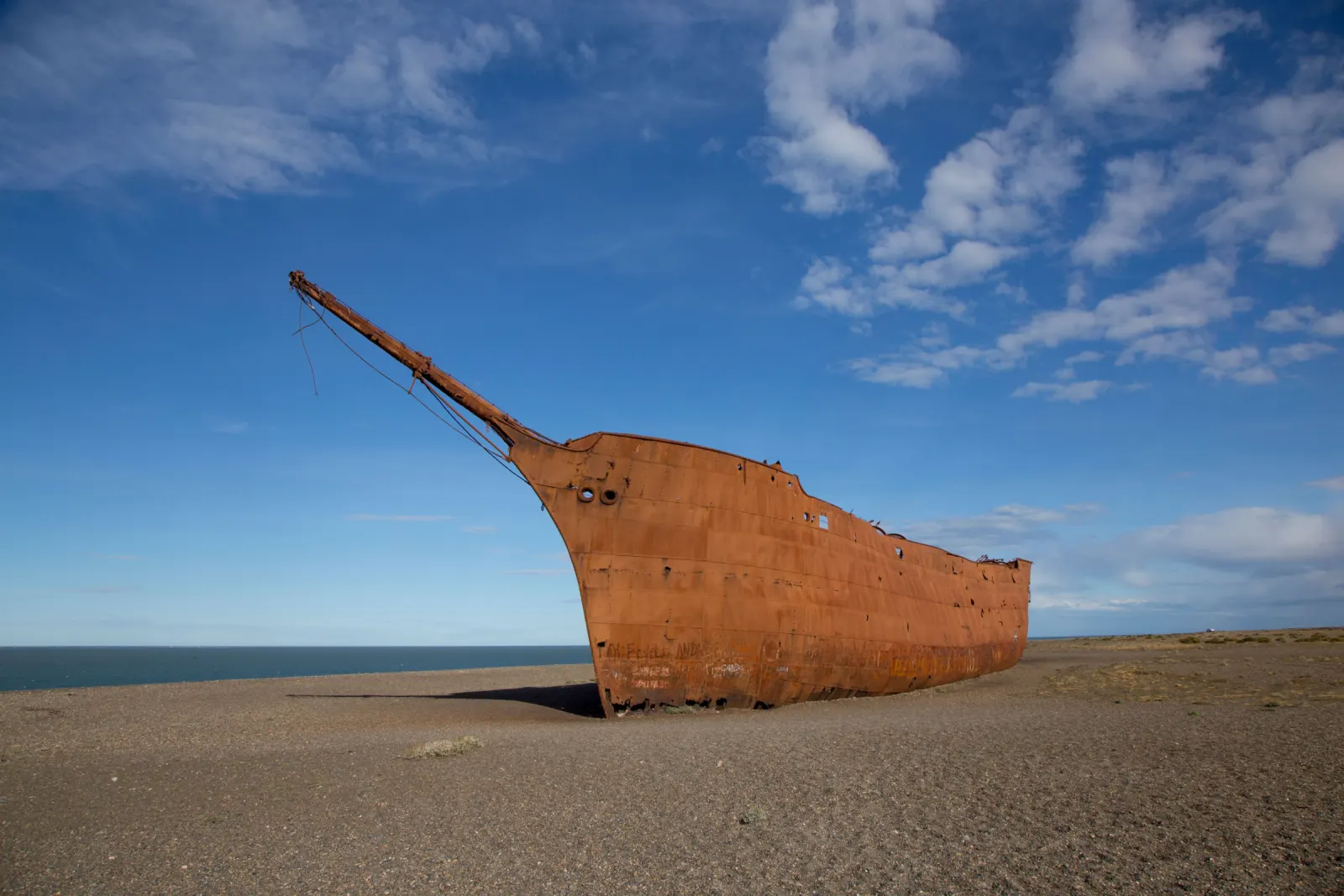
Rusted shipwreck on beach near Punta Arenas

Punta Arenas travel guide

What to see, where to stay and the best time to visit Punta Arenas, Chile.

Best: Jan, Feb

Photo: Jan Zakelj / Pexels

Country
Chile
Currency
CLP

About Punta Arenas

Punta Arenas sits on the Strait of Magellan in Chile's far south, the main gateway to Chilean Patagonia. It's a working port city with a compact centre, penguin colonies nearby, and a history museum scene built on old wool and shipping fortunes. Most visitors use it as a base for day trips rather than a long stay. Weather here is windy and changeable year-round, so pack layers whatever month you visit. January and February, the southern summer, bring the calmest conditions and the longest daylight for exploring the strait and nearby wildlife sites.

How many days do you need in Punta Arenas?

2 days is enough to see the city centre's museums, cemetery, and viewpoints, plus one half-day trip to Isla Magdalena or Seno Otway to see penguins.

Top attractions in Punta Arenas

  1. 1Plaza Muñoz Gamero

    30 minutes–1 hour

    City centre

    The main square, lined with trees and grand old mansions from the city's wool-trading days. At its centre stands the Magellan monument. Local legend says touching the toe of the Indigenous figure at its base means you will return to Punta Arenas.

  2. 2Isla Magdalena (Monumento Natural Los Pingüinos)

    Half a day

    Strait of Magellan

    A small island in the Strait of Magellan that is home to a large colony of Magellanic penguins. Boat tours leave from Punta Arenas, and a marked path lets you walk among the burrows. Tours run only in the warmer months, and rough seas can cancel sailings.

  3. 3Cementerio Municipal Sara Braun

    1–2 hours

    City centre

    One of the most striking cemeteries in South America, with neatly clipped cypress avenues and large marble mausoleums of the pioneer families. Graves of European immigrants and a memorial to the Indigenous Selk'nam people tell the story of the region.

  4. 4Museo Regional de Magallanes (Palacio Braun-Menéndez)

    1–2 hours

    City centre

    A mansion built for one of the wealthy families who made fortunes from sheep farming and trade. The rooms keep their original furniture and decoration, and the exhibits cover the history of settlement in Magallanes.

  5. 5Museo Salesiano Maggiorino Borgatello

    1–2 hours

    City centre

    A large, old-fashioned museum run by the Salesian order. It covers the Indigenous peoples of Patagonia and Tierra del Fuego, local wildlife and the history of exploration. It is a good introduction before heading further south.

  6. 6Mirador Cerro de la Cruz

    30 minutes

    City centre

    A viewpoint a short uphill walk from the main square. It looks over the colourful rooftops of the city to the Strait of Magellan, and on clear days to Tierra del Fuego.

  7. 7Costanera del Estrecho

    1 hour

    Waterfront

    The seafront promenade along the Strait of Magellan, good for a walk and for watching seabirds. Look for the old wooden pier ruins and the sculptures along the way. Wind here is often strong, so bring a warm, windproof layer.

  8. 8Seno Otway Penguin Colony

    Half a day

    Otway Sound, north of the city

    A mainland Magellanic penguin colony reached by road, with boardwalks and hides for watching the birds. It is an option when boats to Isla Magdalena are not running. The colony is only occupied in the warmer months.

  9. 9Reserva Nacional Magallanes

    Half a day

    West of the city

    A forest reserve in the hills just outside Punta Arenas, with walking trails through southern beech woods. Viewpoints look back over the city and the strait. In winter the area gets snow and is used for skiing.
Punta Arenas by month

Average weather and our month score, from 10 years of climate data.

Weather by month and month scores for Punta Arenas
Month High / low Rain days Sunshine Sea temp Score
Best month: January 13°C / 8°C 17 days (61 mm) 10.8 h/day 10°C 4.7/10
Best month: February 14°C / 8°C 15 days (65 mm) 8.9 h/day 10°C 4.9/10
March 12°C / 6°C 18 days (81 mm) 7.5 h/day 9°C 3.7/10
April 9°C / 4°C 15 days (82 mm) 6.1 h/day 8°C 2.1/10
May 7°C / 3°C 13 days (63 mm) 4.7 h/day 7°C 1.7/10
June 5°C / 1°C 14 days (59 mm) 3.9 h/day 6°C 1.2/10
July 4°C / 0°C 13 days (64 mm) 4.3 h/day 6°C 1.4/10
August 5°C / 1°C 15 days (64 mm) 5.8 h/day 5°C 1.5/10
September 7°C / 2°C 11 days (44 mm) 7.6 h/day 6°C 2.6/10
October 9°C / 4°C 14 days (55 mm) 9.2 h/day 6°C 2.6/10
November 11°C / 5°C 15 days (70 mm) 10.7 h/day 7°C 3.6/10
December 12°C / 7°C 18 days (69 mm) 11.1 h/day 9°C 4.2/10
  1. Jan

    Summer brings a high of 13.4°C and 17 rain days, with 10.8 hours of sun daily; conditions score 4.7, among the better months to visit.

  2. Feb

    Still mild at 13.7°C high with 15.3 rain days and 8.9 sun hours; this month scores 4.9, the best of the year for weather balance.

  3. Mar

    Autumn cooling starts, high drops to 11.6°C, rain days rise to 17.5 and sun falls to 7.5 hours; the score of 3.7 reflects this shift toward wetter, duller days.

  4. Apr

    Highs fall to 9°C with 82mm of rain over 14.8 days and just 6.1 hours of sun; the low score of 2.1 shows the cold, wet autumn weather taking hold.

  5. May

    Daytime highs of 6.8°C and only 4.7 hours of sun mark the start of winter; 12.5 rain days keep skies grey, giving a low score of 1.7.

  6. Jun

    Winter sets in hard: highs of just 4.5°C, lows near freezing at 1°C, and only 3.9 hours of sun make this the least favourable month, scoring 1.2.

  7. Jul

    The coldest month, with a high of 4°C and low of 0.4°C; 13.3 rain days and 4.3 sun hours reflect deep winter conditions, scoring 1.4.

  8. Aug

    Still firmly wintery with a 5.1°C high and 1.1°C low; sun hours creep up slightly to 5.8, but the score stays low at 1.5.

  9. Sep

    Spring begins slowly: highs reach 6.9°C with fewer rain days (11.4) but still limited sun at 7.6 hours; the score rises modestly to 2.6.

  10. Oct

    Highs climb to 9°C and sun hours to 9.2, though 14.4 rain days keep things changeable; the score holds at 2.6.

  11. Nov

    Spring warms further with an 11.1°C high and 10.7 hours of sun, but 15.3 rain days and a 3.6 score show weather is still mixed.

  12. Dec

    Early summer brings a 12.4°C high and 11.1 hours of sun, despite 17.9 rain days; the month scores 4.2, making it a reasonable time to visit.

Climate averages 2015–2024 · Best time to visit Chile →

Where to stay in Punta Arenas

The best areas to base yourself and who each one suits.

Centro

Good for first-timers, walkers, tour departures

The grid of streets around Plaza Muñoz Gamero holds most restaurants, cafés, tour agencies and museums, so you can do nearly everything on foot. It is the easiest base for booking trips to penguin colonies or Torres del Paine. Many shops close on Sundays, and some streets feel quiet and empty after dark.

Costanera del Estrecho

Good for sea views, couples, runners

This waterfront strip runs along the Strait of Magellan, with a long promenade and wide views over the water. It is a short walk from the centre and good for sunrise and sunset walks. It is very exposed, so the strong Patagonian wind can make walking here cold and tiring.

Cerro de la Cruz

Good for views, photographers, quiet stays

This residential hill just above the centre has a viewpoint with some of the best views over the city's colourful roofs and the strait. It is calmer than the flat streets below and still close to the main square. The streets are steep, which is hard work with luggage or in icy winter conditions.

Zona Franca

Good for drivers, shoppers, road trips

The duty-free zone in the north of the city is built around a large shopping area and wide roads. It suits travellers with a car who want easy access to the road north towards Puerto Natales. It is a commercial area far from the centre's restaurants and sights, so you will need a car or taxi most of the time.

Getting to and around Punta Arenas

From the airport
No specific route data is available for getting from Punta Arenas airport (PUQ) to the centre. The usual options are a taxi, a transfer van, or a shared shuttle, which most visitors use since there is no train or metro link.
Public transport
Punta Arenas has local buses, but there is little formal public transport infrastructure for visitors to rely on. A practical tip: many sights outside the centre, like Isla Magdalena, Seno Otway, and Reserva Nacional Magallanes, require an organised tour or rented car rather than a city bus.
On foot
The city centre is compact and walkable. Plaza Muñoz Gamero, Cementerio Municipal Sara Braun, Museo Regional de Magallanes, Museo Salesiano, and Mirador Cerro de la Cruz all sit within the City centre area, close enough to cover on foot.

Food to try in Punta Arenas

Cordero Patagónico (Patagonian Lamb)

Whole lamb is slow-roasted on a vertical spit over an open fire, a method typical of sheep-farming regions in southern Chile. Restaurants around Punta Arenas serve it as a main dish, often for lunch or dinner.

Centolla (Southern King Crab)

This large crab is pulled from the cold waters of the Strait of Magellan near Punta Arenas. It is usually served simply, steamed or in a creamy gratin, as a starter or main in local seafood restaurants.

Curanto

A mix of shellfish, meat, and potatoes cooked together, traditionally in a pit lined with hot stones. In Punta Arenas it is more often made in a pot, and it is eaten as a hearty, filling meal.

Chupe de Centolla

A thick, baked crab chowder made with king crab meat, bread, cheese, and cream. It is a common lunch or dinner dish in the city, especially where fresh centolla is on the menu.

Calafate Berries and Sauce

Calafate is a dark purple berry that grows wild across Patagonia, including around Punta Arenas. Locals use it in jams, sauces for meat dishes, and desserts, and it is sold in local markets.

Empanadas de Mariscos

Baked pastries filled with a mix of local shellfish instead of the more common beef filling found elsewhere in Chile. They are a quick snack sold in bakeries and cafés around the city.

More of Chile

Chile travel guide →

Punta Arenas: frequently asked questions

Is Punta Arenas good to visit in August?

No, August is one of the coldest months, scoring 1.5 out of the year. Highs reach only 5.1°C and lows drop to 1.1°C, with 14.6 rain days and just 5.8 hours of sun a day. It's deep winter here, with short days and cold wind off the Strait of Magellan.

When is the best time to visit Punta Arenas?

January and February are the best months, both scoring near 4.7–4.9. Highs reach 13.4–13.7°C, sea temperatures peak at 9.8°C, and you get 8.9–10.8 hours of sun a day. These are the warmest, driest-feeling months of the Patagonian summer, though rain still falls on 15–17 days each month.

How many days do I need in Punta Arenas?

Plan on 2 to 3 days. The city centre sights, like Plaza Muñoz Gamero, the Sara Braun cemetery, and the regional museums, each take 1 to 2 hours, so a day covers the town itself. A second or third day lets you add a half-day trip to see penguins at Isla Magdalena or Seno Otway, or hike in Reserva Nacional Magallanes.

Is Punta Arenas cold all year?

Yes, temperatures stay cool even in summer. The warmest month, February, only reaches a high of 13.7°C, while winter months like June and July drop to highs of 4–4.5°C and lows near or below freezing. Sea temperature also stays cold, from 5.2°C in August up to 9.8°C in January and February.

Does it rain a lot in Punta Arenas?

Rain falls often but in small amounts. The city sees rain on 11 to 18 days a month throughout the year, with March having the most rain days (17.5) and the highest monthly total, 82mm, in April. Even the driest month, September, still has 44mm of rain over 11.4 days.