Skip to content
wheretotravel.info
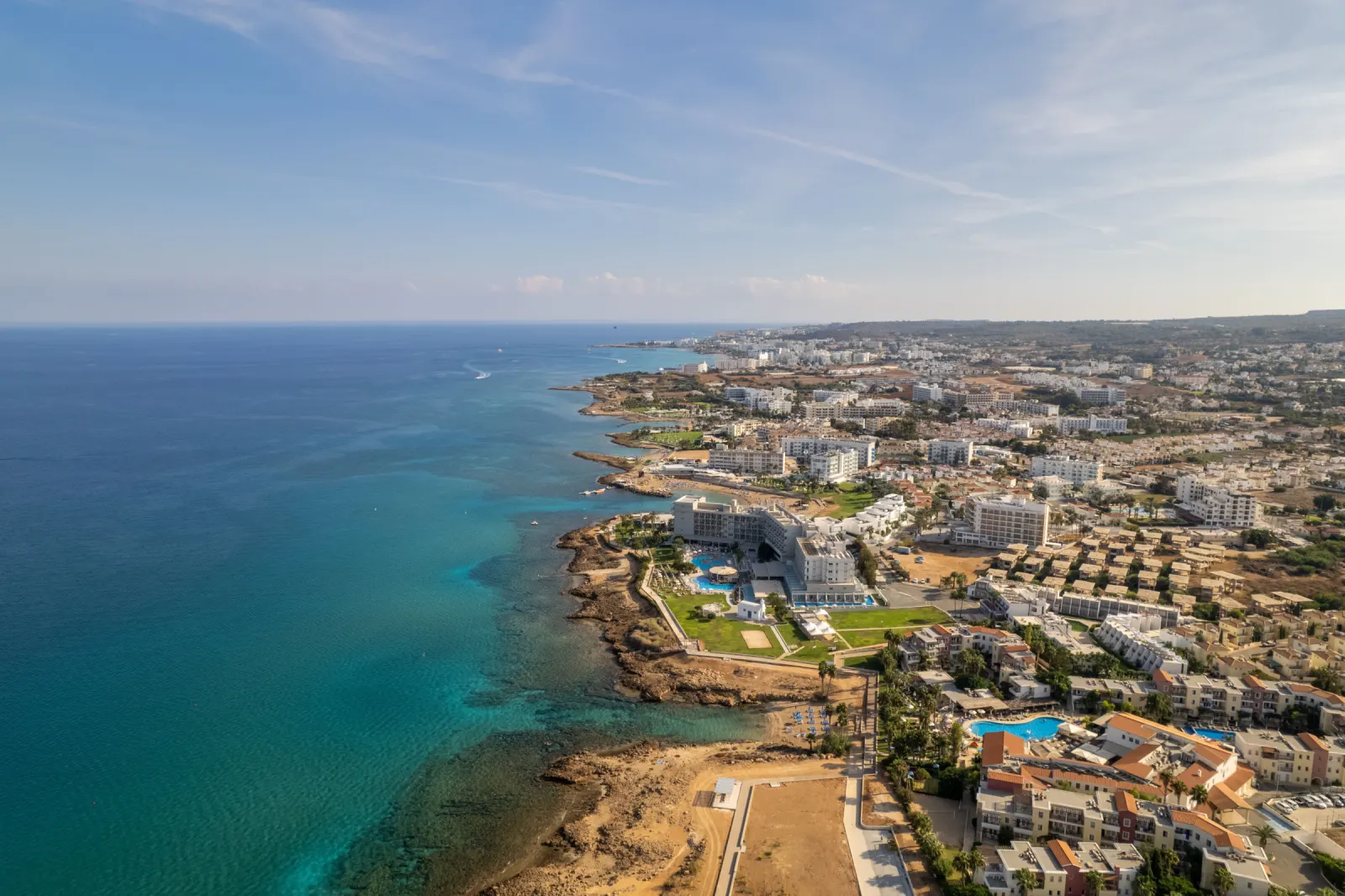
Aerial view of coastline and turquoise water

Famagusta travel guide

What to see, where to stay and the best time to visit Famagusta, Cyprus.

Best: Mar, Apr, Jun, Oct

Photo: Ollie Craig / Pexels

Country
Cyprus

About Famagusta

Famagusta is a coastal city in Cyprus with about 40,920 people. Most sights are close together inside the Walled City: the Venetian Walls, Othello Castle, the Land Gate and the Lala Mustafa Pasha Mosque, which was once St Nicholas Cathedral. North of the city are the ruins of Salamis Ancient City and the Royal Tombs. Varosha (Maraş) is also nearby. The best months to visit are March, April, June and October.

How many days do you need in Famagusta?

Plan a few days. Each Walled City sight takes 30 minutes to 2 hours. Salamis Ancient City and Varosha need 2–3 hours each. Add extra days if you want time on the beach at Salamis Road or Long Beach.

Top attractions in Famagusta

  1. 1Salamis Ancient City

    2–3 hours

    Salamis, north of the city

    This is the largest ancient site near Famagusta. It has a Roman theatre, a gymnasium with marble columns, baths with mosaics, and ruined basilicas spread out close to the sea. Bring water and a hat, because there is little shade.

  2. 2Lala Mustafa Pasha Mosque (St Nicholas Cathedral)

    30–60 minutes

    Walled City

    A large Gothic cathedral that was turned into a mosque, with a minaret added to its French-style front. It is the main landmark of the old town. Visitors should dress modestly and stay out of prayer times.

  3. 3Othello Castle

    1 hour

    Walled City

    A citadel on the harbour side of the old town, linked by legend to Shakespeare's Othello. You can walk through its great hall and up onto the ramparts for views over the port and the walls.

  4. 4Venetian Walls of Famagusta

    1–2 hours

    Walled City

    Thick walls with bastions still surround the whole old town. They are among the best-kept fortifications in the Mediterranean. Parts can be walked or seen from the moat below.

  5. 5Land Gate (Ravelin)

    30–45 minutes

    Walled City

    The main historic entrance to the old town, protected by a large Venetian ravelin. You can climb up for a view along the walls and into the Walled City.

  6. 6Varosha (Maraş)

    2–3 hours

    Varosha

    A former beach resort district that was fenced off and left empty for decades. Some streets have now reopened to visitors, who walk or cycle past abandoned hotels and shops. Access rules can change, so check locally before you go.

  7. 7St Barnabas Monastery and Icon Museum

    1 hour

    Near Salamis

    A monastery church that now holds a collection of Orthodox icons, plus a small archaeological museum in the old monks' rooms. The tomb said to belong to St Barnabas is in a small chapel nearby.

  8. 8Royal Tombs

    30–60 minutes

    Near Salamis

    A group of ancient chamber tombs where early kings and nobles of Salamis were buried. Some were found with the remains of horses and chariots, and a small museum on site explains the finds.

  9. 9Church of St George of the Greeks

    30 minutes

    Walled City

    The roofless ruin of a large Orthodox church, with traces of wall paintings still visible. It shows how Greek and Latin churches stood side by side in the medieval city.

  10. 10Namık Kemal Dungeon and Museum

    30 minutes

    Walled City

    The building where the Ottoman poet Namık Kemal was held in exile, now a small museum. It sits on the main square opposite Lala Mustafa Pasha Mosque, so it is easy to add to a walk through the old town.
Famagusta by month

Average weather and our month score, from 10 years of climate data.

Weather by month and month scores for Famagusta
Month High / low Rain days Sunshine Sea temp Score
January 16°C / 9°C 8 days (48 mm) 8.5 h/day 19°C 7.6/10
February 17°C / 9°C 6 days (36 mm) 9.0 h/day 18°C 8.4/10
Best month: March 20°C / 11°C 5 days (26 mm) 10.4 h/day 18°C 8.9/10
Best month: April 23°C / 13°C 4 days (22 mm) 11.6 h/day 19°C 9.2/10
May 27°C / 17°C 3 days (14 mm) 12.7 h/day 22°C 8.7/10
Best month: June 31°C / 21°C 2 days (5 mm) 13.7 h/day 26°C 9.8/10
July 34°C / 24°C 1 day (2 mm) 13.8 h/day 29°C 7.8/10
August 34°C / 25°C 1 day (2 mm) 12.8 h/day 30°C 7.9/10
September 32°C / 22°C 1 day (4 mm) 11.6 h/day 29°C 8.3/10
Best month: October 28°C / 19°C 4 days (16 mm) 10.6 h/day 27°C 9.5/10
November 23°C / 15°C 6 days (36 mm) 8.9 h/day 24°C 8.7/10
December 19°C / 11°C 8 days (51 mm) 8.0 h/day 21°C 8.4/10
  1. Jan

    Cool and damp, with a 16.4°C high, 8 rain days and 48 mm of rain. The sea is 18.9°C. Still rated best, with a score of 7.6.

  2. Feb

    A 17.3°C high and 6.2 rain days. There are 9 hours of sun, and the sea is cool at 17.8°C. Rated best, with a score of 8.4.

  3. Mar

    Milder, with a 19.5°C high and 5.4 rain days. Sunshine rises to 10.4 hours a day. Rated best, with a score of 8.9.

  4. Apr

    A pleasant 23.3°C high and only 3.8 rain days. The sea warms to 19.2°C. Rated best, with a strong score of 9.2.

  5. May

    Warm, with a 27.3°C high and 3.4 rain days. The sea reaches 21.7°C and there are 12.7 hours of sun. Rated best, with a score of 8.7.

  6. Jun

    The top-scoring month at 9.8. Expect a 30.8°C high, 1.6 rain days and a 25.7°C sea, which is good for swimming.

  7. Jul

    Very hot, with a 34°C high and nights near 24.2°C. Rain is rare at 0.5 days. The heat lowers the score to 7.8, but it is still rated best.

  8. Aug

    Hot days of 33.9°C and warm 24.5°C nights, with 0.5 rain days. The sea peaks at 29.9°C. Rated best, with a score of 7.9.

  9. Sep

    Still hot, with a 32.1°C high and 1.4 rain days. The sea stays warm at 28.8°C. Rated best, with a score of 8.3.

  10. Oct

    A 28.2°C high, 3.6 rain days and a 26.6°C sea. It is the second-highest score of the year at 9.5, and rated best.

  11. Nov

    Cooler, with a 22.8°C high. Rain rises to 6.4 days and 36 mm, but the sea is still 24.2°C. Rated best, with a score of 8.7.

  12. Dec

    The wettest month, with 51 mm over 8.1 rain days. The high is 18.6°C and there are 8 hours of sun. Rated best, with a score of 8.4.

Climate averages 2015–2024 · Best time to visit Cyprus →

Where to stay in Famagusta

The best areas to base yourself and who each one suits.

Salamis Road

Good for beach lovers, families

This coastal strip north of the centre has resort-style hotels with direct beach access and is close to the ancient site of Salamis. It works well if you want sea and sand first and sightseeing second. The drawback is that you will need a car or taxi to reach the old town and local restaurants.

Karakol

Good for budget travellers, young travellers

Karakol sits next to the Eastern Mediterranean University, so it is full of cafes, cheap eateries and apartments, and it is a short trip to Glapsides beach. It has a lively, everyday local feel. The drawback is traffic noise on the main roads and a student atmosphere that feels less relaxed during term time.

Long Beach

Good for longer stays, self-caterers

Long Beach at İskele, north of the city, is a long sandy shore lined with newer apartment blocks and holiday rentals. It suits travellers who want space, a kitchen and a quiet beach. The drawback is distance, as you need a car to reach Famagusta's old town, and parts of the area are still under construction.

Getting to and around Famagusta

From the airport
Famagusta has no airport of its own, so most visitors fly into Ercan or Larnaca and continue by bus or car. From Nicosia, a bus to Famagusta takes about 1 hour and costs around 200 TRY. From Kyrenia, the bus takes 1 h 15 min and costs about 350 TRY.
Public transport
Famagusta has little public transport. Visitors mostly rely on intercity buses or a car for day trips, such as the 25-minute drive from Protaras. Within the city, walking or taxis cover most needs.
On foot
The Walled City is compact and easy to explore on foot, with the mosque, Othello Castle, the Venetian Walls, and Land Gate all close together. Salamis and Varosha sit farther out and need separate trips.

Day trips from Famagusta

Places within 2½ hours by train, bus, ferry or car.

  • Kyrenia

    bus · 350 TRY

    Dolmuş (shared minibus) in Northern Cyprus. It leaves from the Kombos stop in Kyrenia between about 09:00 and 18:00. The fare was 350 TL in January 2026. Book 1.5–2 hours ahead or the day before. Pay in Turkish lira.

    1 h 15 min
  • Nicosia

    bus · 200 TRY

    Dolmuş run by İtimat from north Nicosia to the İtimat bus station in Famagusta. The 200 TL fare comes from a traveller's report and may be out of date. Pay in Turkish lira. The 60-minute time is my estimate; the source did not confirm it. Cross from the south at Ledra Street with your passport.

    1 h
  • Protaras

    car

    I could not confirm any public transport across the line between these towns, so the realistic option is a car or taxi. This page only lists bus routes in the south. Cross at the Deryneia/Strovilia checkpoint and bring your passport. Hire-car insurance from the south often does not cover the north, so you may need to buy extra insurance at the border. The 25-minute time is my estimate; I could not check it.

    25 min

Food to try in Famagusta

Hellim (halloumi)

A firm, salty cheese made from sheep and goat milk, often with mint. Locals eat it grilled or fried at breakfast, in sandwiches, or with watermelon in summer.

Meze

A long run of small shared plates: dips, salads, olives, grilled meats and sometimes fish. It is a relaxed evening meal, eaten slowly with friends and family at tavernas.

Şeftali kebabı (sheftalia)

Minced lamb or pork sausages wrapped in caul fat and grilled over charcoal. They are usually served in pitta with salad and lemon, at grill houses or with meze.

Molehiya

A Turkish Cypriot stew of dried jute leaves cooked with chicken or lamb in a tomato sauce. It is home cooking, often eaten with rice and bread.

Pilavuna (flaouna)

Baked pastries filled with cheese, egg, mint and sometimes raisins, topped with sesame seeds. Families bake them at home for religious holidays and bakeries sell them too.

Kleftiko

Lamb slow-cooked for hours in a sealed clay oven until it falls off the bone, usually with potatoes. It is a popular dish for Sunday lunches and village-style restaurants.

More of Cyprus

Cyprus travel guide →

Famagusta: frequently asked questions

When is the best time to visit Famagusta?

June, October, April and March score highest for a visit. June scores 9.8, with highs near 31°C, only 1.6 rain days and a sea temperature of 25.7°C. October scores 9.5, with highs around 28°C and a 26.6°C sea. April and March are cooler for sightseeing, with average highs of 23.3°C and 19.5°C.

Is Famagusta good in August?

August is very hot but excellent for swimming. Highs average 33.9°C and nights stay near 24.5°C, so walking the Venetian Walls or Salamis is easier early in the day. The sea reaches 29.9°C, its warmest of the year, and rain falls on only 0.5 days. August scores 7.9, lower than June or October because of the heat.

What is the weather like in Famagusta in January?

January is mild but it is the coolest month. Highs average 16.4°C and lows 9.3°C. Expect about 8 rain days and 48 mm of rain, with 8.5 hours of sunshine a day. The sea is 18.9°C, which many swimmers find cool. January still scores 7.6, and the cooler air suits long walks around the Walled City.

How many days do I need in Famagusta?

Plan 2 days to see the main sights. The Walled City fits into a single day: Othello Castle takes 1 hour, Lala Mustafa Pasha Mosque 30–60 minutes and the Venetian Walls 1–2 hours. Salamis Ancient City needs 2–3 hours, with St Barnabas Monastery (1 hour) and the Royal Tombs (30–60 minutes) nearby. Varosha takes another 2–3 hours.

When is the sea warmest in Famagusta?

The sea is warmest from July to September. It reaches 28.8°C in July, 29.9°C in August and 28.8°C in September. It stays warm into autumn, at 26.6°C in October and 24.2°C in November. The sea is coolest in February and March, at about 18°C.