Skip to content
wheretotravel.info
Alicante

Alicante travel guide

What to see, where to stay and the best time to visit Alicante, Spain.

Best: May, Jun, Nov, Dec

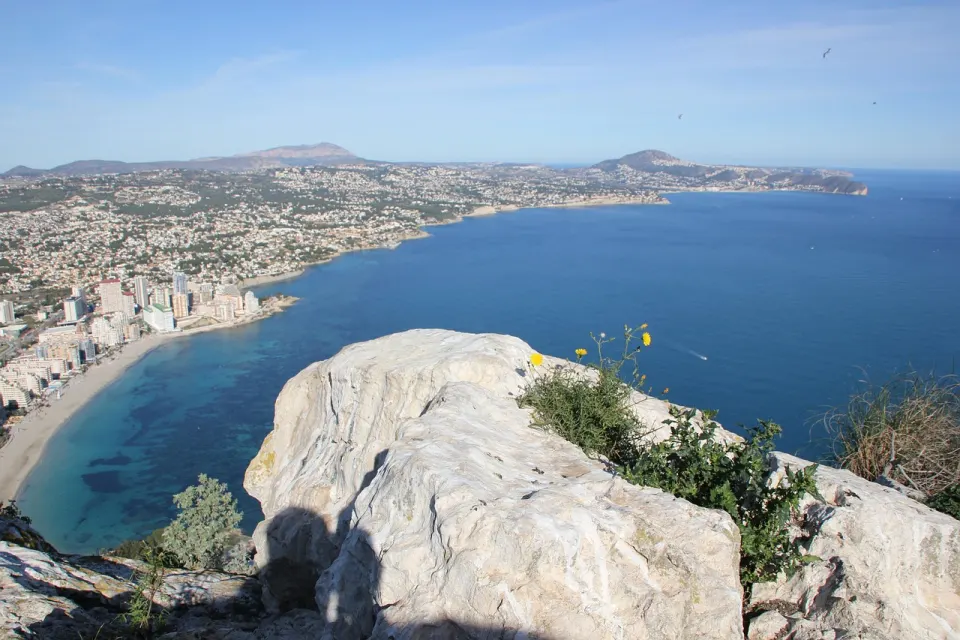
Photo: NachoRuiz / Pixabay

Country
Spain

About Alicante

Alicante is a Spanish city with a castle on a hill, a palm-lined seafront, and a beach a few steps from the centre. The old town's narrow streets mix bars, churches and museums, while Postiguet Beach and the Explanada de España give it a relaxed, coastal feel. Spring and early winter are good times to visit: May and June bring warm, dry days, while November and December stay mild without summer's crowds or heat.

How many days do you need in Alicante?

Alicante's main sights—the castle, old town, beach and museums—can be covered well in 2 to 3 days, leaving time to relax by the sea or take a day trip along the coast.

Top attractions in Alicante

  1. 1Santa Bárbara Castle

    2–3 hours

    Mount Benacantil

    A large hilltop fortress above the city centre, with wide views over the port, the beaches and the old town. You can walk up through the Santa Cruz quarter or take the lift that starts near Postiguet Beach.

  2. 2Explanada de España

    1 hour

    Seafront

    Alicante's main promenade, lined with palm trees and paved with a wavy red, black and cream mosaic. It runs along the marina and is the city's favourite place for an evening walk.

  3. 3Santa Cruz Quarter

    1–2 hours

    Old Town (El Barrio)

    A small neighbourhood of steep lanes, stairs and whitewashed houses with flower pots, on the lower slopes of the castle hill. It is quiet by day, and the streets below it fill with bars and restaurants at night.

  4. 4Postiguet Beach

    Half a day

    City centre

    A sandy city beach right below the castle and next to the old town. It is easy to reach on foot and gets busy in summer.

  5. 5MARQ Archaeological Museum

    2–3 hours

    Pla del Bon Repós

    A modern, award-winning museum on the history of the Alicante region, from the Stone Age through Iberian, Roman and Islamic times. Its displays are clear and well designed, which makes it a good choice on a hot or rainy day.

  6. 6Basilica of Santa María

    30 minutes–1 hour

    Old Town (El Barrio)

    The oldest church in the city, built in Gothic style on the site of a former mosque. It has a richly carved Baroque front and a quiet square outside.

  7. 7Co-Cathedral of St Nicholas

    30 minutes–1 hour

    Old Town (El Barrio)

    Alicante's main church, with a large blue dome and a calm cloister. It stands in the heart of the old town, so it is easy to combine with a walk through El Barrio.

  8. 8Central Market

    1 hour

    City centre

    The city's main food market, in an early 20th-century Modernist building. It sells fresh fish, meat, fruit, rice and local products, and it is a good place to see everyday life in Alicante.

  9. 9MACA Museum of Contemporary Art

    1–2 hours

    Old Town (El Barrio)

    A museum of 20th-century and contemporary art beside the Basilica of Santa María. Its collection includes works by well-known Spanish and international artists.

Alicante by month

Average weather and our month score, from 10 years of climate data.

Weather by month and month scores for Alicante
Month High / low Rain days Sunshine Score
January 16°C / 8°C 3 days (33 mm) 8.6 h/day 8.5/10
February 17°C / 9°C 4 days (14 mm) 9.2 h/day 8.8/10
March 18°C / 11°C 8 days (59 mm) 9.8 h/day 8.5/10
April 20°C / 13°C 6 days (39 mm) 10.7 h/day 8.8/10
Best month: May 23°C / 16°C 4 days (27 mm) 12.7 h/day 9.2/10
Best month: June 27°C / 20°C 2 days (15 mm) 13.4 h/day 9.1/10
July 30°C / 23°C 1 day (3 mm) 13.7 h/day 7.9/10
August 30°C / 24°C 3 days (16 mm) 12.4 h/day 7.5/10
September 27°C / 21°C 6 days (49 mm) 10.9 h/day 8.1/10
October 24°C / 17°C 6 days (43 mm) 9.5 h/day 8.8/10
Best month: November 20°C / 12°C 5 days (29 mm) 8.7 h/day 9.0/10
Best month: December 18°C / 10°C 3 days (22 mm) 8.1 h/day 9.2/10
  1. Jan

    Highs reach 16.3°C with only 3.2 rain days, so this cool, mild month scores 8.5 and counts as a best-time choice.

  2. Feb

    Expect highs of 16.9°C, low rainfall of 14mm over 3.5 days, and plenty of sun at 9.2 hours a day; it scores 8.8.

  3. Mar

    Highs climb to 18.4°C but rain days jump to 7.5 with 59mm total, the wettest month of the year; it still scores 8.5.

  4. Apr

    Highs of 19.7°C and 10.7 hours of sun make for pleasant spring weather, though 6.2 rain days bring some showers; score 8.8.

  5. May

    Warm highs of 23.2°C, just 3.8 rain days and 12.7 sun hours give May the top score of 9.2 for easy travel weather.

  6. Jun

    Summer heat builds to 26.9°C highs with only 2.4 rain days and 13.4 sun hours; this strong month scores 9.1.

  7. Jul

    Highs hit 29.8°C, nearly dry with just 1.2 rain days and 3mm of rain, so expect intense heat; the score dips to 7.9 on hot days.

  8. Aug

    The hottest month, with highs of 29.9°C and lows near 23.7°C, making nights warm too; the score falls to 7.5 due to the heat.

  9. Sep

    Highs ease to 27.3°C but rain returns with 6.3 rain days and 49mm, often from short autumn storms; it scores 8.1.

  10. Oct

    Highs of 24.1°C and 5.8 rain days bring comfortable temperatures with occasional rain; this month scores 8.8.

  11. Nov

    Highs drop to 20.1°C with 5 rain days and 29mm of rain, cooler and calmer autumn weather; it scores 9.

  12. Dec

    Mild highs of 17.6°C, light rain over 3 days, and 8.1 sun hours make December the joint top-scoring month at 9.2.

Climate averages 2015–2024 · Best time to visit Spain →

Where to stay in Alicante

The best areas to base yourself and who each one suits.

Centro

Good for first-timers, shopping, transport links

The modern city centre around the Rambla de Méndez Núñez, the Explanada promenade and the Mercado Central puts most sights, shops and tram stops within walking distance. It is a practical base for a first visit, with easy access to both the old town and the beach. Main roads carry heavy traffic, so street-facing rooms can be noisy.

Casco Antiguo

Good for first-timers, nightlife, atmosphere

The old town, also called El Barrio, sits below Santa Bárbara Castle with narrow lanes, churches and plazas full of bars. You can walk to the seafront and the castle, and evenings are lively. Late-night noise is common, especially at weekends, and the upper streets near Santa Cruz are steep with many steps.

Playa del Postiguet

Good for beach lovers, couples, short stays

This area covers the city beach right next to the old town and the Explanada, so you get sand and sea with the centre on your doorstep. It suits travellers who want a beach holiday without giving up city life. The beach gets very crowded in summer and the seafront road is busy.

Playa de San Juan

Good for families, beach holidays, longer stays

A long, wide sandy beach north of the centre, lined with apartment blocks, restaurants and a seafront promenade. The tram links it to the city centre, and there is more space than on the city beach. It is a fair distance from the old town, and some places feel quiet outside the summer season.

Albufereta

Good for quiet, couples, families

A small bay between the centre and Playa de San Juan, with a calm beach and a mostly residential feel. The tram makes trips into town easy while you sleep away from the nightlife. There are fewer restaurants and bars, so evenings can feel limited.

Benalúa

Good for budget-minded, rail and bus arrivals, local life

A residential district south-west of the centre, close to the main train and bus stations, with everyday cafés, bakeries and local shops. It gives a more local feel and is handy for day trips. It has fewer sights of its own, and the old town and beach are a longer walk away.

Getting to and around Alicante

From the airport
The fact pack does not give a direct airport-to-centre route for Alicante. Usual options are a public bus, a taxi, or a train link, but no times or prices are available here.
Public transport
Alicante has a tram and bus network run by local operators, useful for reaching the beaches at San Juan or Albufereta. There is no metro, so visitors rely mainly on buses and the tram for longer trips.
On foot
The centre is compact and walkable. Casco Antiguo sights like the Basilica, Co-Cathedral and MACA sit close together, and Postiguet Beach and Explanada de España are an easy stroll away.

Day trips from Alicante

Places within 2½ hours by train, bus, ferry or car.

  • Madrid

    train · 29–140 EUR

    Renfe AVE/Avlo, OUIGO and iryo to Alicante Terminal, 10 minutes' walk from the beach. Fares 29-140 EUR; booking 21 days ahead saves about 35% on average.

    2 h 22 min

Food to try in Alicante

Arroz a banda

This is a rice dish cooked in fish stock, served plain so the rice itself is the star. It's a classic along the Alicante coast, often eaten at lunch in beachside restaurants.

Turrón

A nougat made from almonds and honey, closely linked to the nearby town of Jijona. Locals eat it especially around Christmas, though shops in Alicante sell it year-round.

Arroz del senyoret

Similar to arroz a banda but the seafood is peeled before cooking, so diners don't need to shell anything. It's a popular choice for a relaxed lunch out.

Salazones

Cured and salted fish, such as mojama (salted tuna), reflect Alicante's fishing traditions. These are often served as tapas with a drink before a meal.

Horchata and fartons

Horchata is a cold, sweet drink made from tiger nuts, paired with fartons, a soft sugary pastry for dipping. Locals enjoy this combination as a snack, especially in warm weather.

More of Spain

Spain travel guide →

Alicante: frequently asked questions

Is Alicante good in August?

Yes, but it's hot. August highs reach 29.9°C with lows around 23.7°C, so days and nights both stay warm. There are 2.6 rain days and only 16mm of rain, with 12.4 hours of sun, so expect dry, sunny beach weather with little relief from the heat.

What is the best time to visit Alicante?

May, June, November and December score highest, all above 9 out of 10. May has highs of 23.2°C and only 3.8 rain days. June reaches 26.9°C with just 2.4 rain days. November and December stay mild, 20.1°C and 17.6°C highs, with moderate rain and fewer crowds than summer.

How many days do I need in Alicante?

Two to three days cover the main sights. Santa Bárbara Castle takes 2–3 hours, the Santa Cruz Quarter 1–2 hours, and MARQ Archaeological Museum another 2–3 hours. Add a half day for Postiguet Beach and an hour each for the Explanada de España and Central Market.

Does it rain a lot in Alicante?

Not much overall, but March and September are the wettest months. March gets 59mm of rain over 7.5 days, and September gets 49mm over 6.3 days. July is the driest month, with just 3mm of rain and 1.2 rain days.

Is Alicante warm in winter?

Yes, winters stay mild. December highs average 17.6°C and January highs reach 16.3°C, with lows around 8–10°C. Rain is light, with only 22mm in December and 33mm in January, and both months still get over 8 hours of sun a day.