Skip to content
wheretotravel.info
Ibiza

Ibiza travel guide

What to see, where to stay and the best time to visit Ibiza, Spain.

Best: Apr, May, Jun, Oct

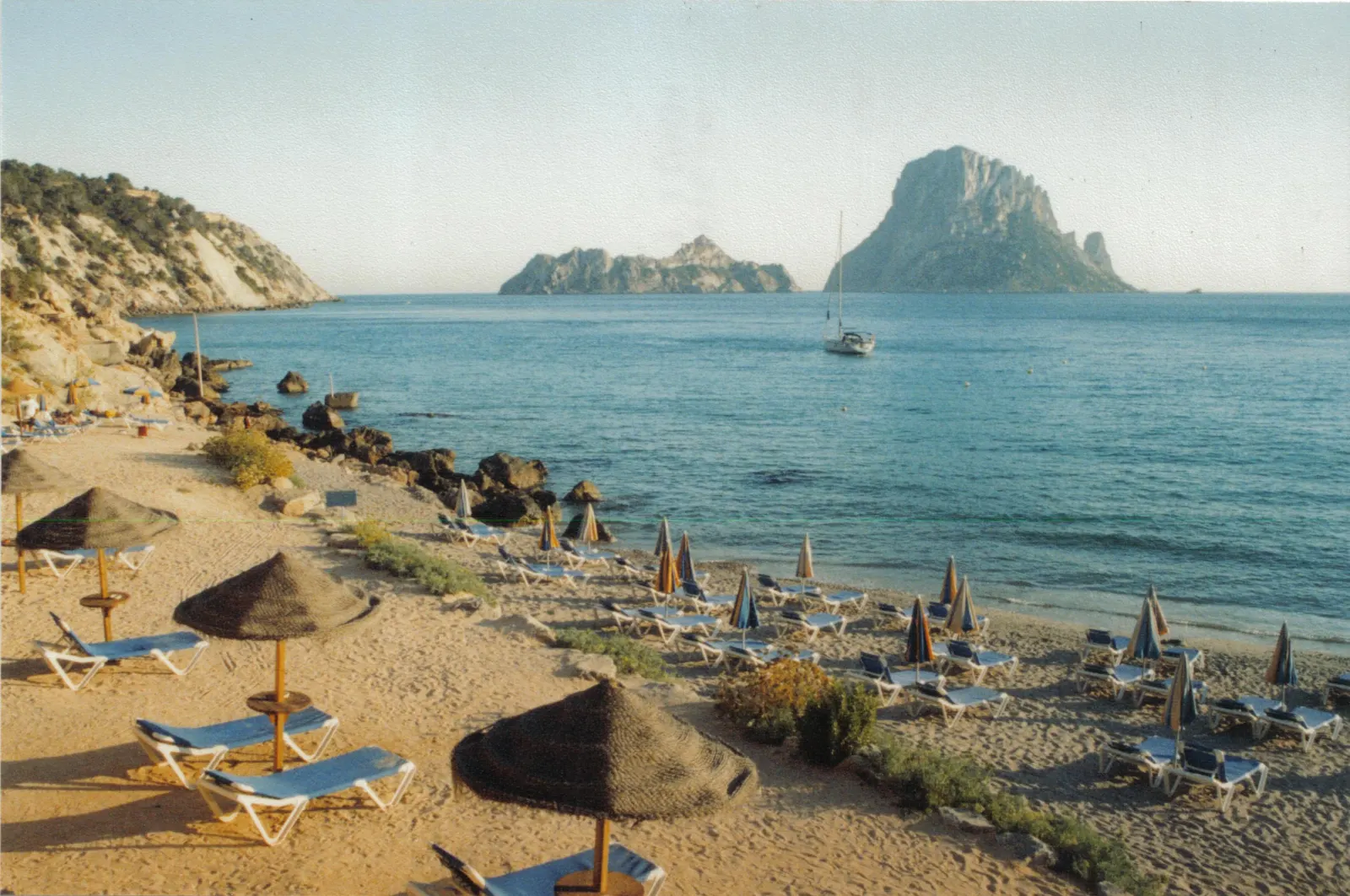
Photo: athinaf / Wikimedia Commons

Country
Spain

About Ibiza

Ibiza town mixes a walled old quarter with beach life and a famous nightlife scene. Dalt Vila, the hilltop old town, has narrow streets, a cathedral, Renaissance walls and a contemporary art museum. Below, La Marina and Sa Penya give you port views and bars, while Talamanca, Ses Figueretes and Platja d'en Bossa cover the beach side. The best months to visit are April, May, June and October, when the heat is milder and the island feels calmer than peak summer.

How many days do you need in Ibiza?

Two to three days cover Dalt Vila, the museums, the port area and a beach or two, with time to relax without rushing.

Top attractions in Ibiza

  1. 1Dalt Vila (Old Town)

    half a day

    Dalt Vila

    The walled old town sits on a hill above the port and is a UNESCO World Heritage Site. Steep cobbled lanes lead past whitewashed houses, small squares and viewpoints over the harbour and the sea.

  2. 2Renaissance Walls and Portal de ses Taules

    1–2 hours

    Dalt Vila

    Massive Renaissance walls with large bastions surround the old town. You enter through the Portal de ses Taules gate, and a walk along the bastions gives wide views of the city, the port and Formentera on clear days.

  3. 3Ibiza Cathedral

    30–60 minutes

    Dalt Vila

    The cathedral stands at the highest point of the old town, next to the castle. The plain interior is calm after the climb, and the square outside has one of the best views in the city.

  4. 4Puig des Molins Necropolis

    1–2 hours

    Puig des Molins

    This large ancient burial ground on a hillside just outside the old town is part of the UNESCO listing. It dates back to the Phoenician and Punic period, and a small museum shows finds from the tombs, with some burial chambers you can look into.

  5. 5Museum of Contemporary Art of Ibiza (MACE)

    1 hour

    Dalt Vila

    The museum is set in old military buildings inside the walls. It shows modern and contemporary art linked to the island, and the lower level reveals archaeological remains found under the building.

  6. 6La Marina and Sa Penya

    1–2 hours

    La Marina

    The old fishermen's quarter lies between the port and the walls. Its narrow streets are full of shops, bars and restaurants, and the area is liveliest in the evening.

  7. 7Port of Ibiza

    1 hour

    La Marina

    The harbour front is good for an easy walk past yachts, ferries and waterside cafés. Boats to Formentera and other parts of the island leave from here.

  8. 8Talamanca Beach

    half a day

    Talamanca

    A sheltered sandy bay just across the harbour from the old town, reachable on foot or by water taxi. The shallow water and calm conditions make it popular with families.

  9. 9Ses Figueretes Beach

    2–3 hours

    Figueretes

    The closest beach to the city centre, with a seafront promenade lined with cafés. It is a simple, local beach that works well for a swim between sightseeing.

  10. 10Platja d'en Bossa

    half a day

    Sant Josep de sa Talaia

    A long sandy beach just south of the city, known for its beach clubs, hotels and nightlife. It is busy in summer and much quieter outside the main season.

Ibiza by month

Average weather and our month score, from 10 years of climate data.

Weather by month and month scores for Ibiza
Month High / low Rain days Sunshine Score
January 15°C / 10°C 5 days (38 mm) 8.6 h/day 7.7/10
February 16°C / 10°C 4 days (24 mm) 9.1 h/day 8.1/10
March 17°C / 12°C 7 days (39 mm) 10.1 h/day 8.3/10
Best month: April 19°C / 13°C 6 days (39 mm) 10.9 h/day 8.8/10
Best month: May 23°C / 16°C 4 days (20 mm) 12.8 h/day 9.2/10
Best month: June 27°C / 20°C 3 days (11 mm) 13.4 h/day 8.9/10
July 31°C / 23°C 1 day (2 mm) 13.7 h/day 7.5/10
August 31°C / 24°C 2 days (18 mm) 12.5 h/day 7.2/10
September 27°C / 22°C 7 days (60 mm) 10.9 h/day 7.9/10
Best month: October 24°C / 18°C 6 days (51 mm) 9.6 h/day 8.8/10
November 19°C / 15°C 6 days (49 mm) 8.3 h/day 8.7/10
December 17°C / 12°C 5 days (25 mm) 8.1 h/day 8.6/10
  1. Jan

    Highs reach 15°C with about 5 rain days. Quiet and cool, many clubs and restaurants shut for the season, but it scores well (7.7, best) for peaceful walks.

  2. Feb

    Highs climb slightly to 16°C with 4 rain days. Still off-season quiet, but mild enough for coastal walks; scores 8.1, best.

  3. Mar

    Highs of 17°C and the wettest start to the year with 7 rain days and 39mm. Island still waking up from winter, scoring 8.3, best.

  4. Apr

    Highs of 19°C with almost 6 rain days. Spring greenery and fewer crowds, a strong 8.8 score, best.

  5. May

    Highs jump to 23°C with only 4 rain days and 12.8 hours of sun. The top-scoring month at 9.2, best, as the season opens.

  6. Jun

    Highs of 27°C, rain almost gone at 2.5 days, and 13.4 sun hours. Peak season begins, scoring 8.9, best.

  7. Jul

    Highs of 31°C with barely any rain, under 1 day. Hot and busy with the island at full tilt; still scores 7.5, best, despite the heat.

  8. Aug

    Highs stay at 31°C with 2.4 rain days. The hottest, most crowded month, dropping to 7.2, good, as heat and prices peak.

  9. Sep

    Highs of 27°C but rain picks up sharply to 7 days and 60mm, the wettest month. Warm sea and thinner crowds still earn 7.9, best.

  10. Oct

    Highs cool to 24°C with just under 6 rain days. A strong shoulder-season month scoring 8.8, best, with fewer tourists.

  11. Nov

    Highs of 19°C and 6.4 rain days as autumn rains continue. Quiet and mild, still scoring 8.7, best.

  12. Dec

    Highs of 17°C with 4.5 rain days. A calm, cooler close to the year, scoring 8.6, best, for low-key travel.

Climate averages 2015–2024 · Best time to visit Spain →

Where to stay in Ibiza

The best areas to base yourself and who each one suits.

Santa Eulària des Riu

Good for families, couples, quiet

A calmer town on the east coast with a seafront promenade, a small marina and a good choice of restaurants. It suits travellers who want beaches and evening strolls rather than clubs. Nightlife is limited, and it is a longer trip to the west coast sunset spots.

Sant Antoni de Portmany

Good for young groups, sunsets, budget travellers

A large bay on the west coast known for its sunset bars and lively streets in the West End. It has plenty of places to stay and boat trips to nearby coves. The centre is crowded and loud on summer nights, so pick a spot away from the main party streets if you want sleep.

Sant Joan de Labritja

Good for nature lovers, slow travel, couples

A small inland village in the green, hilly north, surrounded by countryside, rural houses and quiet coves. It shows a slower, more traditional side of the island and has a well-known Sunday market. You will need a car, as buses are infrequent and roads to the beaches are winding.

Getting to and around Ibiza

From the airport
No route data is given for Ibiza airport. Visitors usually take a taxi, a bus, or a pre-booked transfer to reach the centre. Check current options locally since no fixed times or prices are confirmed here.
Public transport
Ibiza town has little in the way of metro or tram. Buses connect the centre to nearby areas like Figueretes and Talamanca, and ferries run from the Port of Ibiza. A practical tip: walking or a short bus ride covers most central needs, so renting a car is only useful for exploring beyond town.
On foot
The centre is compact and walkable. Dalt Vila, Puig des Molins, and La Marina sit close together, so you can cover the Old Town, the Cathedral, MACE, and the port area on foot within a day.

Food to try in Ibiza

Bullit de peix

A two-course fish stew with potatoes, cooked in a rich broth and served with allioli and rice. It is a classic islander dish, often eaten at family gatherings or in traditional restaurants.

Sofrit pagès

A hearty stew of chicken, pork and sometimes lamb, slow-cooked with potatoes and local spices. It began as a farmers' dish and is still served in rural Ibizan kitchens.

Flaó

A sweet pastry made with fresh cheese, mint and eggs, baked in a pie-like crust. Locals traditionally eat it around Easter, though many bakeries sell it year-round.

Hierbas ibicencas

A herbal liqueur infused with local plants, served cold after a meal as a digestif. It is a island-made spirit found in most bars and restaurants.

Greixonera

A baked dessert similar to bread pudding, made with leftover ensaimada, milk, eggs and cinnamon. It is a simple home-style sweet often enjoyed after Sunday lunch.

More of Spain

Spain travel guide →

Ibiza: frequently asked questions

Is Ibiza good in August?

Yes, but it's hot and dry. August scores 7.2, a bit lower than the spring and autumn months. Highs reach 30.6°C with lows of 23.9°C at night, so it rarely cools down. Rain is light at 18mm over 2.4 days, and sun hours sit at 12.5, so expect strong sun most days.

When is the best time to visit Ibiza?

May, June, April and October are the top months. May scores highest at 9.2, with highs of 23.1°C and only 4.1 rain days. June follows at 8.9 with highs of 27.3°C. October scores 8.8 with highs of 23.9°C. These months balance warm weather, good sun hours and fewer rainy days than spring or autumn extremes.

How many days do I need in Ibiza city?

One to two days covers the main sights. Dalt Vila takes half a day, including the Renaissance Walls, Ibiza Cathedral and the MACE museum, each needing 30 minutes to 2 hours. Add time for La Marina, Sa Penya and a beach like Talamanca or Platja d'en Bossa, each worth half a day, if you want a slower pace.

Does it rain a lot in Ibiza?

No, rain is limited and concentrated in autumn and spring. September sees the most rain, 60mm over 7 days, and March also gets 7 rain days with 39mm. July is driest with just 2mm over 0.8 days. Winter months like December and January bring moderate rain, 25mm and 38mm, spread over 4-5 days.

Is Ibiza warm in winter?

It's mild, not warm. January highs average 15.3°C with lows of 10.2°C, and December is similar at 16.9°C high and 11.9°C low. Sun hours drop to around 8 hours a day, the lowest of the year. Despite the cooler temperatures, January still scores 7.7 and December scores 8.6.