Skip to content
wheretotravel.info
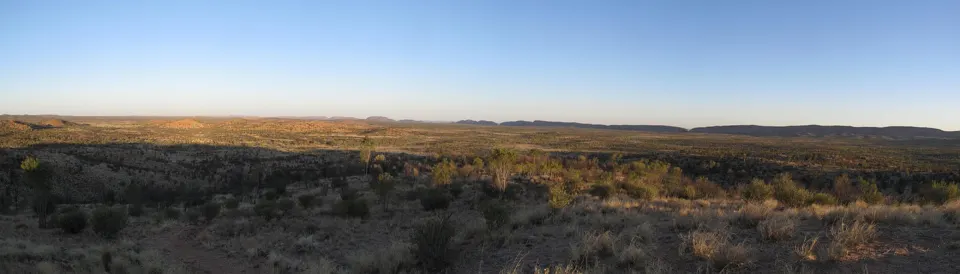
Outback panorama with scrubland and distant hills

Alice Springs travel guide

What to see, where to stay and the best time to visit Alice Springs, Australia.

Best: May, Jun, Jul, Aug

Photo: Grungly / Pixabay

Country
Australia
Currency
AUD

About Alice Springs

Alice Springs sits in the red centre of Australia, far from any coast, with around 31,120 people calling it home. It's a nature-focused base for exploring the MacDonnell Ranges, desert parks and Aboriginal culture. Days are hot and dry most of the year, but July, August, May and June bring cooler, more comfortable temperatures for walking and sightseeing outdoors. Summer months can be very hot, which shapes when most visitors choose to come.

How many days do you need in Alice Springs?

Plan on 2 to 3 days. That's enough time to see the town centre sights like the Telegraph Station and Desert Park, plus a half-day trip out to Simpsons Gap in West MacDonnell National Park.

Top attractions in Alice Springs

  1. 1Alice Springs Desert Park

    half a day

    Larapinta

    A large park at the foot of the MacDonnell Ranges that shows the plants, animals and habitats of Central Australia. The nocturnal house and the free-flying bird show are the highlights. Go early in the day, before the heat builds.

  2. 2Alice Springs Telegraph Station Historical Reserve

    2–3 hours

    North of town centre

    The restored stone buildings of the old telegraph station, near the waterhole that gave the town its name. It explains how the town began and how the telegraph line linked Australia to the world. Walking and cycling tracks lead here from town along the Todd River.

  3. 3Anzac Hill

    under 1 hour

    Town centre

    A small hill with a war memorial and a clear view over the town and the MacDonnell Ranges. It is a short, steep walk or a quick drive up. Sunset is the most popular time.

  4. 4Araluen Cultural Precinct

    half a day

    Araluen

    A group of galleries and museums in one area, including the Araluen Arts Centre, the Museum of Central Australia and the Central Australian Aviation Museum. The Aboriginal art collection is the main reason to come, especially work from the Hermannsburg and Papunya schools.

  5. 5Royal Flying Doctor Service Tourist Facility

    1–2 hours

    Town centre

    A visitor centre about the air medical service that reaches people across the remote outback. Displays and a short film show how the service works and why it matters to people living far from hospitals.

  6. 6School of the Air Visitor Centre

    1 hour

    Braitling

    Explains how children on remote cattle stations and in small communities are taught by distance learning. On school days you may be able to watch a lesson being delivered.

  7. 7Olive Pink Botanic Garden

    1–2 hours

    East side of the Todd River

    A quiet garden of arid-zone plants with short walking tracks and a hill with views over town. Birdlife is good, particularly in the early morning. There is a café on site.

  8. 8Alice Springs Reptile Centre

    1 hour

    Town centre

    A small centre with snakes, lizards and a saltwater crocodile from across the Northern Territory. Handling sessions let you hold some of the gentler animals. A good option for families or on a very hot afternoon.

  9. 9Todd Mall

    1–2 hours

    Town centre

    The pedestrian main street, with Aboriginal art galleries, cafés and souvenir shops. It hosts regular markets. Buy art from galleries that clearly show where the work comes from and how artists are paid.

  10. 10Simpsons Gap

    half a day

    West MacDonnell National Park

    A dramatic gap in the ranges with a waterhole and tall red cliffs, the closest of the West MacDonnell gorges to town. Look for black-footed rock-wallabies on the rocks, most likely in the early morning or late afternoon. You need your own transport or a tour to get here.
Alice Springs by month

Average weather and our month score, from 10 years of climate data.

Weather by month and month scores for Alice Springs
Month High / low Rain days Sunshine Score
January 35°C / 23°C 7 days (74 mm) 11.4 h/day 2.4/10
February 35°C / 22°C 2 days (15 mm) 11.9 h/day 3.5/10
March 33°C / 20°C 3 days (40 mm) 10.9 h/day 3.5/10
April 28°C / 15°C 1 day (5 mm) 10.8 h/day 7.9/10
Best month: May 23°C / 10°C 1 day (18 mm) 9.6 h/day 9.7/10
Best month: June 20°C / 7°C 2 days (9 mm) 9.3 h/day 9.5/10
Best month: July 20°C / 7°C 1 day (3 mm) 10.0 h/day 9.9/10
Best month: August 23°C / 10°C 1 day (5 mm) 10.6 h/day 9.8/10
September 27°C / 13°C 2 days (12 mm) 11.0 h/day 8.1/10
October 32°C / 18°C 2 days (11 mm) 11.5 h/day 6.1/10
November 33°C / 20°C 6 days (40 mm) 11.6 h/day 3.1/10
December 35°C / 23°C 6 days (50 mm) 11.5 h/day 2.6/10
  1. Jan

    Highs reach 35.2°C with 7 rain days and 74mm of rain, the wettest month. Score 2.4, a tough month for heat and humidity.

  2. Feb

    Still hot at 35.4°C high, with 2.3 rain days and 15mm rain. Score 3.5, heat keeps this one off the best list.

  3. Mar

    Highs drop a little to 33.3°C, with 3.4 rain days and 40mm rain. Score 3.5, still too warm for comfortable sightseeing.

  4. Apr

    Highs ease to 28.4°C, rain almost stops at 0.6 days and 5mm. Score 7.9, a best-rated month as conditions turn mild.

  5. May

    Cooler days at 22.6°C high, lows near 10.1°C, just 1.2 rain days. Score 9.7, one of the top months to visit.

  6. Jun

    Highs of 19.5°C and cold nights down to 7.3°C, with 2.1 rain days. Score 9.5, cool and dry, rated among the best.

  7. Jul

    Winter here: 20.2°C high, 6.8°C low, only 0.6 rain days and 10 hours of sun. Score 9.9, the top-rated month.

  8. Aug

    Highs rise slightly to 23.3°C with just 1 rain day and 10.6 hours of sun. Score 9.8, still an excellent month to travel.

  9. Sep

    Warming to 27°C highs, 2.4 rain days and 11 hours of sun. Score 8.1, a best-rated month before summer heat returns.

  10. Oct

    Highs climb to 31.7°C with 1.7 rain days. Score 6.1, a good but noticeably warmer month than the cooler season.

  11. Nov

    Heat returns with 33.2°C highs and rain picks up to 5.6 days, 40mm. Score 3.1, hot and increasingly humid.

  12. Dec

    Highs of 35.1°C and 5.9 rain days with 50mm rain make this a hot, sticky month. Score 2.6, one of the toughest times to visit.

Climate averages 2015–2024 · Best time to visit Australia →

Where to stay in Alice Springs

The best areas to base yourself and who each one suits.

Town Centre (CBD)

Good for first-timers, no car

The compact grid around Todd Mall has most cafes, galleries, tour pick-ups and the visitor centre within walking distance. It is the easiest base if you are not driving. Drawback: the centre goes quiet after shops close, and locals often advise taking a taxi rather than walking alone late at night.

East Side

Good for couples, quiet stays

A leafy residential area just across the usually dry Todd River from the centre, with holiday rentals and a few small guesthouses. You can walk into town in daylight but sleep somewhere calmer. Drawback: few shops or places to eat, and the walk back after dark is less pleasant.

Araluen and Gillen

Good for culture lovers, longer stays

West of the centre, these residential suburbs sit close to the Araluen Cultural Precinct with its art gallery and museums. Stays here are mostly private rentals with a local feel. Drawback: limited dining nearby and a longish walk to Todd Mall.

Larapinta

Good for hikers, self-drivers

On the western edge of town, Larapinta puts you closest to the road out to the West MacDonnell Ranges, handy for early starts to gorges and walking trails. Views of the ranges are good and nights are quiet. Drawback: you really need a car, as the centre and most services are a drive away.

Getting to and around Alice Springs

From the airport
No route data is given for Alice Springs airport. The usual options for the trip into the centre are a taxi, a pre-booked shuttle or a rental car, since the town has no train or tram link to the terminal.
Public transport
Alice Springs has very little public transport that visitors tend to use. There is no metro, tram or ferry, and most people get around on foot in the centre or rent a car for sights further out like Simpsons Gap or the Desert Park.
On foot
The Town Centre (CBD) is walkable and suits first-timers without a car. Todd Mall, Anzac Hill, the Royal Flying Doctor Service Tourist Facility and the Reptile Centre are all within the town centre, close enough to cover on foot.

Food to try in Alice Springs

Kangaroo meat

Kangaroo is a lean red meat served in many Alice Springs restaurants, often grilled as a steak or in a stir-fry. It is a common way for visitors to try native Australian game.

Camel

Camels have lived wild in the Central Australian desert for generations, and camel meat appears on some local menus as burgers or sausages. It has a slightly sweet, beef-like taste.

Witchetty grubs

These large, pale larvae are a traditional Aboriginal bush food found in the roots of local acacia trees. They are sometimes offered to tourists as a taste of traditional desert diet, either raw or lightly cooked.

Bush tomato

A small native fruit with a strong, tangy flavour, bush tomato is dried and used in chutneys, sauces and damper bread across the region. It reflects the native ingredients used in Central Australian bush tucker cooking.

Damper

Damper is a simple soda bread traditionally cooked over an open campfire by outback travellers and stockmen. In Alice Springs it is often served with golden syrup or jam at cafes with an outback theme.

More of Australia

Australia travel guide →

Alice Springs: frequently asked questions

Is Alice Springs good in August?

Yes. August is one of the best months to visit, with a score of 9.8 out of 10. Daytime highs reach 23.3°C and lows drop to 9.5°C, so days are warm and nights are cool. Rain is rare, with only 1 rain day and 5 mm for the month, and you get 10.6 hours of sunshine a day.

When is the best time to visit Alice Springs?

The best months are May, June, July and August. July scores highest at 9.9, with warm days around 20.2°C and cold nights near 6.8°C. These months have little rain, between 3 mm and 18 mm, and plenty of sun, so they suit walking and outdoor sightseeing.

Is Alice Springs hot in January?

Yes. January is the hottest month, with highs averaging 35.2°C and lows of 23.3°C. It also brings more rain than most of the year, with 7 rain days and 74 mm total. The combination of heat and humidity gives January a low score of 2.4 and a verdict of avoid for comfort.

How many days do I need in Alice Springs?

Plan for 2 to 3 days in town, plus extra time for nearby nature. The main sights, like the Desert Park, Telegraph Station, Araluen Cultural Precinct and Olive Pink Botanic Garden, each take a few hours to half a day. Add a day for Simpsons Gap in West MacDonnell National Park if you want to see the surrounding landscape.

Does it rain much in Alice Springs?

No, rain is light for most of the year. April, June, July and August each get under 10 mm and fewer than 2.1 rain days. The wetter months are January and December, with 74 mm and 50 mm, and November also sees 5.6 rain days, so late in the year brings more short, heavy showers.