Skip to content
wheretotravel.info
Granada

Granada travel guide

What to see, where to stay and the best time to visit Granada, Spain.

Best: Apr, May, Oct, Nov

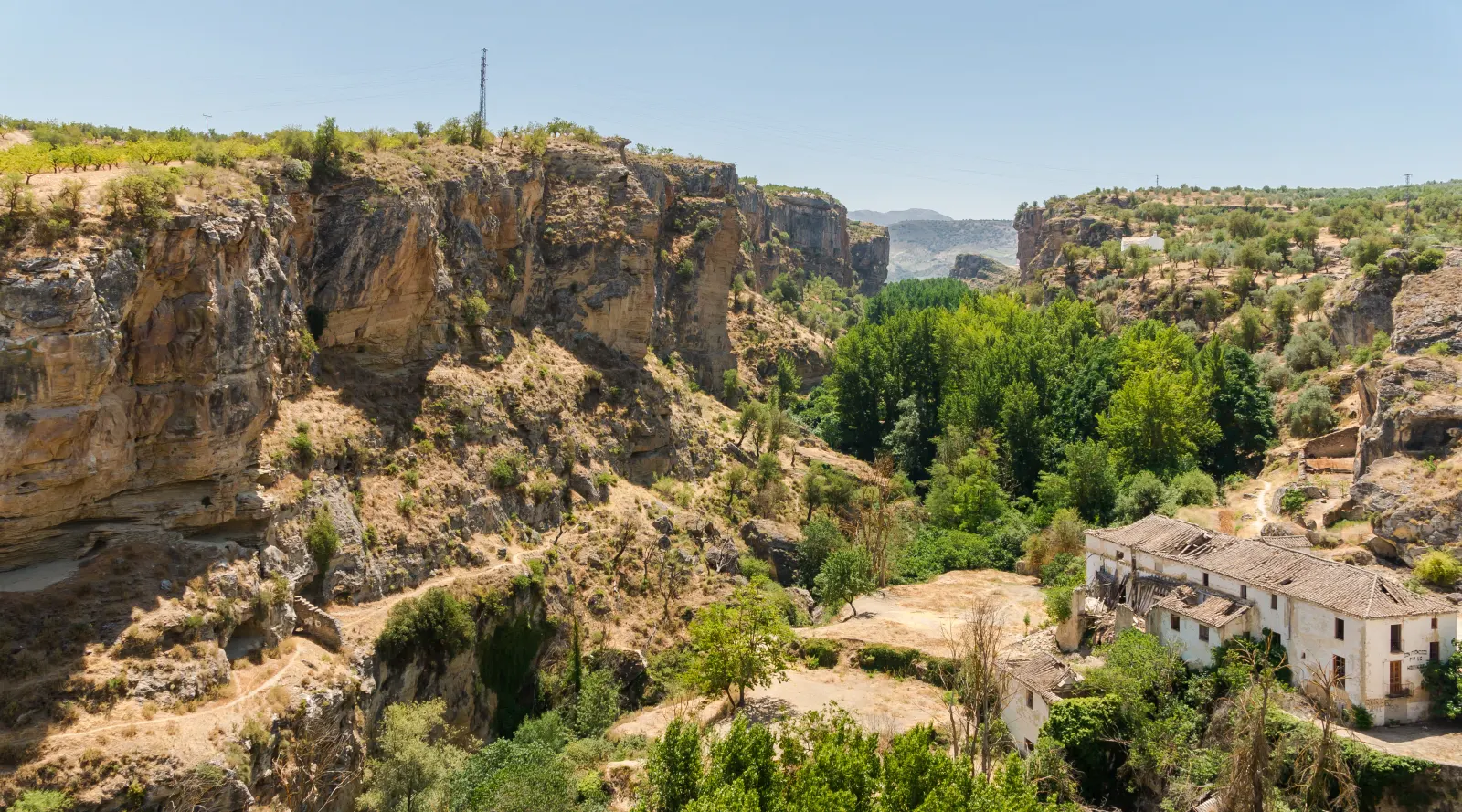
Photo: Jebulon / Wikimedia Commons

Country
Spain

About Granada

Granada sits inland in southern Spain, built around the hill-top Alhambra and the narrow lanes of the Albaicín. It's a city for walking: steep streets, Arab-era baths, churches, and viewpoints like Mirador de San Nicolás that look straight across to the Alhambra. Add Sacromonte's cave quarter and a lively tapas scene in Realejo, and you get a compact, atmospheric base for a few days. The best months to visit are May, October, April and November, when temperatures are milder than Granada's hot summers.

How many days do you need in Granada?

Plan on 2–3 days. That covers half a day at the Alhambra and Generalife, 2–3 hours exploring the Albaicín, and time for the cathedral, Royal Chapel and Sacromonte without rushing.

Top attractions in Granada

  1. 1Alhambra and Generalife

    half a day

    Alhambra hill

    A hilltop palace and fortress complex from the Nasrid era, with the carved halls of the Nasrid Palaces, the Alcazaba fortress and the Generalife gardens. It is the main reason most people come to Granada. Entry to the Nasrid Palaces is by timed ticket, so book well ahead.

  2. 2Albaicín

    2–3 hours

    Albaicín

    The old Moorish quarter, a maze of steep, narrow lanes, whitewashed houses and walled gardens called cármenes. Walking here gives you the best views of the Alhambra across the valley. It is a UNESCO World Heritage Site together with the Alhambra.

  3. 3Mirador de San Nicolás

    1 hour

    Albaicín

    A square in front of the Church of San Nicolás with a classic view of the Alhambra against the Sierra Nevada. It is busiest around sunset, when street musicians often play.

  4. 4Royal Chapel of Granada

    1 hour

    City centre

    A Gothic chapel built as the burial place of the Catholic Monarchs, Isabella and Ferdinand. Inside are their tombs and a small collection that includes Isabella's own art and royal objects.

  5. 5Granada Cathedral

    1 hour

    City centre

    A large Renaissance cathedral next to the Royal Chapel, with a bright white interior and a richly decorated main chapel. Its façade was designed by the Granada artist Alonso Cano.

  6. 6Sacromonte

    2–3 hours

    Sacromonte

    A hillside district east of the Albaicín, known for its cave houses and its link with Roma (gitano) culture and flamenco. Visitors come for evening flamenco shows in the caves and for the Sacromonte Caves Museum, which shows how people lived here.

  7. 7Carrera del Darro and Paseo de los Tristes

    1 hour

    Albaicín

    A cobbled street that runs along the small Darro river below the Alhambra walls, past old stone bridges and historic houses. It ends at the Paseo de los Tristes, a square with café terraces and a view up to the Alhambra.

  8. 8El Bañuelo (Arab Baths)

    30 minutes–1 hour

    Albaicín

    One of the best-kept Moorish bathhouses in Spain, on the Carrera del Darro. Its brick vaults have small star-shaped skylights that let in light.

  9. 9Alcaicería

    1 hour

    City centre

    A rebuilt version of the old Moorish silk market, now a set of narrow alleys full of small shops selling lamps, ceramics and textiles. It sits right next to the cathedral, so it is easy to combine with a visit there.

  10. 10Monastery of La Cartuja

    1–2 hours

    Cartuja

    A Carthusian monastery north of the centre, plain from the outside but with one of the most elaborate Baroque sacristies in Spain. It is quieter than the central sights and worth the short trip for anyone interested in Spanish Baroque art.

Granada by month

Average weather and our month score, from 10 years of climate data.

Weather by month and month scores for Granada
Month High / low Rain days Sunshine Score
January 13°C / 3°C 8 days (50 mm) 8.3 h/day 6.0/10
February 15°C / 4°C 7 days (56 mm) 9.4 h/day 7.0/10
March 17°C / 6°C 12 days (115 mm) 9.7 h/day 7.1/10
Best month: April 20°C / 8°C 9 days (69 mm) 11.1 h/day 8.2/10
Best month: May 25°C / 12°C 6 days (38 mm) 12.7 h/day 8.8/10
June 30°C / 16°C 3 days (17 mm) 13.5 h/day 7.4/10
July 35°C / 21°C 2 days (4 mm) 13.6 h/day 3.6/10
August 35°C / 21°C 2 days (6 mm) 12.7 h/day 3.8/10
September 29°C / 16°C 4 days (23 mm) 11.4 h/day 7.9/10
Best month: October 24°C / 13°C 7 days (48 mm) 9.7 h/day 8.6/10
Best month: November 17°C / 7°C 7 days (71 mm) 8.5 h/day 8.0/10
December 15°C / 5°C 7 days (62 mm) 8.0 h/day 7.0/10
  1. Jan

    Highs reach 13°C with lows near 3°C, and rain falls on about 8 days. A good month, scoring 6 out of 10, for cool, quiet sightseeing.

  2. Feb

    Highs climb to 15°C with 7 rain days. Scoring 7 out of 10, this is a good time for mild days and fewer crowds.

  3. Mar

    Highs reach 17°C but rain picks up, with nearly 12 rain days and 115mm of rainfall. Still rated good at 7.1.

  4. Apr

    Highs hit 20°C with 9 rain days. This is one of the best months, scoring 8.2, with pleasant temperatures and good sun hours.

  5. May

    Highs of 25°C, lows of 12°C, and just 6 rain days make this the top-scoring month at 8.8, with warm, dry conditions.

  6. Jun

    Highs surge to 30°C with only 3 rain days. Still good at 7.4, though afternoons get hot.

  7. Jul

    Highs average 35°C with lows of 21°C and almost no rain. Scoring 3.6, the intense midday heat makes this a tough month for walking tours.

  8. Aug

    Highs stay near 35°C with lows of 21°C and barely any rain. Scoring 3.8, the heat remains punishing through the day.

  9. Sep

    Highs drop to 29°C with 4 rain days, scoring 7.9. Afternoons are warm but evenings cool off.

  10. Oct

    Highs ease to 24°C with 7 rain days. This is one of the best months, scoring 8.6, with comfortable temperatures throughout.

  11. Nov

    Highs fall to 17°C with 7 rain days. Scoring 8, it's rated among the best months thanks to mild, stable weather.

  12. Dec

    Highs reach 15°C with lows near 5°C and 7 rain days. A good month at 7, suited to cooler, calmer visits.

Climate averages 2015–2024 · Best time to visit Spain →

Where to stay in Granada

The best areas to base yourself and who each one suits.

Centro

Good for first-timers, short stays, shoppers

The flat area around the Cathedral, Plaza Bib-Rambla and Calle Reyes Católicos puts you within walking distance of most sights, tapas bars and bus links. It is the easiest base for getting around without hills. Streets can be noisy late at night and crowded during the day.

Albaicín

Good for couples, views, atmosphere

The old Moorish quarter has white houses and narrow lanes, and its viewpoints, like the Mirador de San Nicolás, look straight across to the Alhambra. Staying here feels like being inside the old city, with quiet evenings once day visitors leave. The streets are steep and cobbled, so rolling luggage is hard and taxis cannot reach every door.

Realejo

Good for food lovers, repeat visitors, local feel

The former Jewish quarter sits below the Alhambra hill and mixes street art, plazas and many local tapas bars around Campo del Príncipe. It feels more residential and less touristy than the centre, yet it is still a short walk to the main sights. Some streets climb steeply towards the Alhambra.

Sacromonte

Good for flamenco fans, quiet, unusual stays

This hillside area east of the Albaicín is known for its cave houses and flamenco shows, and some caves now take guests. It offers calm nights and wide views over the valley. It is far from the centre on foot and the walk back is uphill, so many visitors rely on the small local bus.

Alhambra

Good for early sightseers, peace and quiet

Staying on the wooded hill beside the Alhambra lets you reach the palace complex early, before the crowds arrive. Evenings are very quiet, surrounded by gardens and old walls. Restaurants and nightlife are limited, and getting down to the city and back means a steep walk or a bus.

Getting to and around Granada

From the airport
No direct route data is given for Granada's airport. Visitors usually take a shuttle bus or taxi into the centre; check current options on arrival since no fixed time or price is confirmed here.
Public transport
Granada has little rail-based public transport for visitors; there's no metro or tram line noted for the centre. Local buses serve the city, but most sights are reached on foot. A practical tip: don't expect a tram network like other Spanish cities.
On foot
The centre is compact and walkable. The Royal Chapel, Granada Cathedral and Alcaicería all sit in the City centre area, while the Albaicín's Mirador de San Nicolás, Carrera del Darro and El Bañuelo cluster together within a short stroll of each other.

Typical journey times and fares from the airport and other cities.

Route By Time Price
Granada → Sevilla ALSA runs 12 buses a day; 3 hours direct, up to 5 hours on services with more stops. From 12 EUR. Check the timetable before booking, as the slow runs cost the same time-wise as a half day. bus 3 h 12 EUR ↗

Day trips from Granada

Places within 2½ hours by train, bus, ferry or car.

  • Malaga

    bus · 8 EUR

    ALSA runs about 40 buses a day, 1h30 direct and up to 2h30 with stops, from 8 EUR. Some services start at Malaga Airport. The bus beats the train on this route.

    1 h 30 min

Food to try in Granada

Free tapas with drinks

Granada is known for giving a small tapa free with every drink ordered in bars. Locals hop between bars in areas like Calle Navas to try different tapas without paying extra for food.

Tortilla del Sacromonte

This is an omelette made with lamb brains and sweetbreads, sometimes with added vegetables. It comes from the Sacromonte neighbourhood, known for its cave dwellings and flamenco history.

Habas con jamón

This dish combines broad beans with cured ham, often cooked with garlic and olive oil. It is a common tapa or side dish found in traditional restaurants across the city.

Remojón granadino

A salad made with orange, salted cod, olives and onion. Locals eat it as a refreshing starter, especially in warmer months.

Piononos

small cylindrical cakes soaked in syrup and topped with toasted cream, originally from nearby Santa Fe. They are a popular sweet treat sold in bakeries throughout Granada.

More of Spain

Spain travel guide →

Granada: frequently asked questions

Is Granada good in August?

No, August scores only 3.8 out of 10 in Granada. Daytime highs reach 34.5°C and lows stay near 20.7°C, so nights bring little relief. Rain is rare, with just 2.4 rain days and 6mm total, but the heat makes sightseeing on foot hard in the middle of the day.

What is the best time to visit Granada?

May, October, April and November score highest, all rated "best" with scores between 7.9 and 8.8. May has highs of 24.8°C and only 6.2 rain days. October brings 23.9°C highs with more sun hours (9.7) than spring, and November cools to 17°C with 8.5 sun hours, giving comfortable temperatures without summer's heat.

How many days do I need in Granada?

Two to three days cover the main sights. The Alhambra and Generalife alone take half a day, and the Albaicín with its Mirador de San Nicolás, Arab Baths and Carrera del Darro adds another half day. Add a morning for the cathedral and Royal Chapel, plus time for Sacromonte or La Cartuja if you have a third day.

Is Granada good in January?

Yes, January still scores 6 out of 10, rated "good." Highs average 13°C and lows drop to 3.1°C, so pack warm layers. There are 7.6 rain days and 50mm of rain, with 8.3 hours of sun a day, making it a quieter, cooler month for walking the Albaicín and visiting the Alhambra.

Is March rainy in Granada?

Yes, March is the wettest month in Granada, with 115mm of rain over 11.6 rain days, more than any other month in the data. Despite this, it still scores 7.1 and is rated "good," with highs of 16.8°C and 9.7 hours of sun, so dry spells between showers are common.